Pravase Shraadh Kaise Karein: A Pravasi Bhartiya Puja Booking Guide for Every Language Family
By DevPravas Editorial Team · · 8 min read
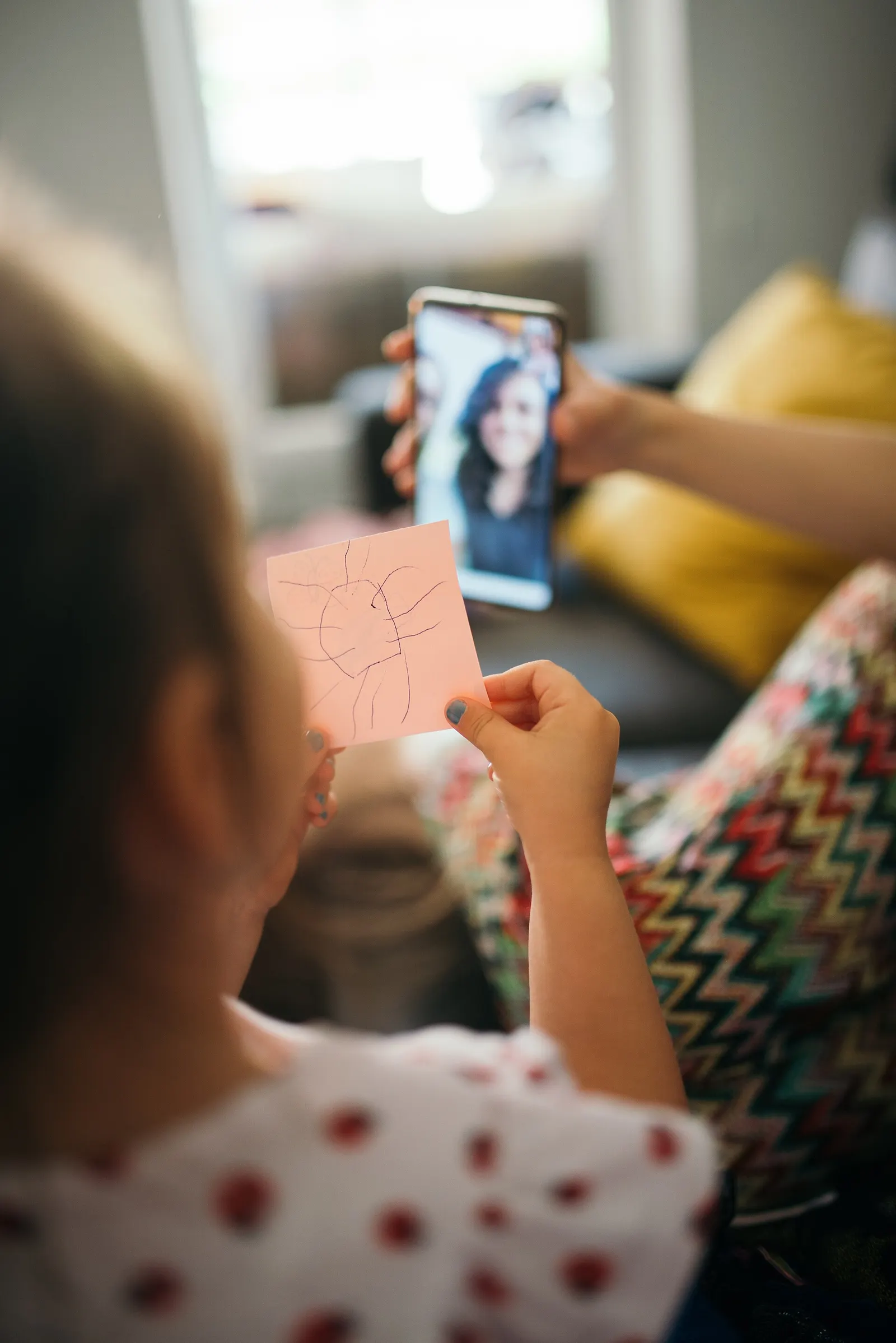
In Southall, west London, it is not yet six on a Saturday morning. Five phones lean against mugs, all pointed at one laptop: a Punjabi son-in-law on mute, a Tamil daughter-in-law typing questions mid-ritual, a toddler asking why everyone is so quiet. This is what Shraadh now looks like for many families.
Behind every screen like that is a question that sounds simple: pravase Shraadh kaise karein - how do you perform Shraadh while living abroad? This guide treats it as a practical pravasi bhartiya puja booking question: what has to happen, what differs from one language community to the next, and how families from Perth to Southall arrange the rite without flying home.
Shraadh for Indian families abroad: what never changes
Strip away the regional variation and Shraadh rests on a few shared pillars: the tithi (lunar date) on which your ancestor passed, offerings of water with black sesame (tarpan), pind daan where your family's custom calls for it, and a sankalp in which the ancestor's name and your gotra are spoken with intention. In many households, food given to a Brahmin or to people in need, in the ancestor's name, completes the day.
Pitru Paksha 2026 opens with Purnima Shraddh on Saturday, September 26. The tithi-by-tithi sequence begins with Pratipada on Sunday, September 27, and closes on Saturday, October 10 - Sarva Pitru Amavasya, also called Mahalaya Amavasya. If your family does not know an ancestor's exact tithi, tradition treats that final Amavasya as valid for anyone. The texts also favour the aparahna, the early-afternoon part of the day, for pitru rites, which is why time zones start to matter the moment you live abroad.
What changes from region to region is mostly language, the particular mantras, and small procedural details: rice or barley in the pind, how many generations are named, whether the rite is one morning or spread across the fortnight. You do not need to memorise any of it. You only need to remember what your family did, and to tell the person performing the rite.
One ritual, many languages
Indian families abroad rarely sort neatly by region. A Gujarati household in Perth has a Bengali neighbour; a Tamil grandmother's grandchildren call their Punjabi friend's mother "Auntie". That mixing is a strength of diaspora life, but when a death happens, the person organising Shraadh is often doing it alone, without the aunts and family priest who would have guided every step back home. Here is how each community tends to phrase, and search for, the same need:
- Hindi-speaking families often look for NRI ke liye pooja seva ("puja services for NRIs"). North Indian practice usually centres on tarpan and a simple pind daan on the tithi, followed by a meal cooked without onion or garlic.
- Gujarati families will be searching garba ane navratri puja USA ma ("garba and Navratri puja in the USA") in a fortnight, but many observe Shraadh quietly first, often with kheer or doodhpak prepared for the day.
- Tamil families may type வெளிநாட்டில் இருந்து பூஜை ("puja from abroad"). Many observe Mahalaya Paksha tharpanam on Amavasya and keep the annual thevasam on the death tithi as a separate rite.
- Telugu families search విదేశాలలో పూజ ఆన్లైన్లో ("puja online from abroad"), and commonly mark the fortnight with tarpanam and food offered in the ancestors' names.
- Bengali families move from Mahalaya tarpan straight into প্রবাসে দুর্গা পূজা ("Durga Puja abroad"), so the last day of Pitru Paksha carries both grief and anticipation.
- Punjabi Hindu families might write pardes wich puja book karo ("book a puja while living abroad"). Many keep Shraadh simple: kheer, a meal for a priest or the needy, and remembrance on the tithi.
- Marathi families who have just searched परदेशात गणपती स्थापना ("Ganpati Sthapana abroad") go almost directly from Ganeshotsav into Pitru Paksha, with the same household altar turning from celebration to remembrance.
These are tendencies, not rules. Your own family's memory outranks any summary.
Puja booking in regional languages: what to ask for
The sankalp and core mantras are in Sanskrit wherever the rite happens. What changes is how comfortably you can explain your family's customs before the day. The devpravas.in website is available in Hindi, Bengali, Gujarati, Marathi, Tamil, Telugu, Kannada, Malayalam, Odia, Assamese and Manipuri, and coordinators speak English. Tell them what you remember: which generations your family names, whether you offer pind daan or tarpan only, any food your household always prepared. Before booking is final, the pandit records a short voice note pronouncing your ancestor's name and your gotra so you can correct it in advance.
How pravasi bhartiya puja booking works for Shraadh
In practice, arranging Shraadh from abroad is four steps:
- Share the details. Send the ancestor's name, your gotra (or whatever you know of it), the tithi or date of passing, and your city abroad on WhatsApp or through book.html.
- Approve the pronunciation. The pandit's voice note lets you hear the names before anything is fixed.
- Join live. The rite is performed on the ghats of Gaya or Ujjain while you watch on a live video call, with your family's names spoken in the sankalp. Our Shraadh / Pitru Paksha puja starts at ₹5,100; a standalone Pind Daan starts at ₹4,700 and Pitru Tarpan at ₹4,700. Live rites from Varanasi and Prayagraj are coming soon.
- Afterwards. A digital certificate arrives within hours, the Aashirwad prasad box ships with courier tracking under a 14-day delivery guarantee, and the session recording stays available for 30 days for relatives who could not join.
Nothing about this is only for the diaspora. Families in Pune or Delhi NCR who cannot leave work for a ghat use exactly the same process.
Time zones: from Perth to Southall
Perth runs 2.5 hours ahead of India, so an early-afternoon rite in Ujjain lands mid-afternoon in Western Australia, which is easy to attend. In Southall, the UK stays on British Summer Time until October 25, so the whole of Pitru Paksha 2026 is 4.5 hours behind India; an aparahna rite falls around breakfast. North American families have the hardest arithmetic, with the same window landing between midnight and dawn. Our NRI hub and the NRI Canada page lay out the practical slots by country.
When family members disagree
Dispersed families often remember the rite differently: one sibling recalls rice pinds, another insists on barley; one wants a single ceremony, another wants each ancestor named on their own tithi. Most of these disagreements are about memory, not correctness. Settle the tithi first, share every detail you each remember, and let the officiating pandit lead the structure. Jointly naming several siblings in the sankalp is common, so nobody has to feel sidelined because they live on a different continent.
Frequently asked questions about Shraadh from abroad
Can Shraadh be done online if I live abroad?
Yes. Families abroad commonly have a pandit perform Shraadh at a sacred site while they join on a live video call, with their names and gotra spoken in the sankalp. On devpravas.in, Shraadh, Pind Daan and Tarpan are performed live on the ghats of Gaya or Ujjain. What matters traditionally is the correct tithi, a sincere sankalp and correct performance, all of which a live rite provides. See our NRI hub for country-specific timing.
Can I do Shraadh at home without a pandit?
Many families do a simple home observance: tarpan with water and black sesame, a plate of food set aside for the ancestors, and feeding someone in need. Tradition recognises simplified rites when circumstances make the full form impossible. If you want the full vidhi with pind daan and correct mantras, a pandit is usually involved. FAQs on Shraadh: who can perform it covers who can take the sankalp.
What if I don't know my ancestor's tithi?
Sarva Pitru Amavasya, which falls on October 10 in 2026, is the day tradition sets aside for exactly this. Shraadh on that day is considered valid for any ancestor whose tithi is unknown, forgotten or missed earlier in the fortnight. Read Sarva Pitru Amavasya: the most important Shraadh day for how families plan around it, including those living abroad.
Do I need to know my gotra for Shraadh?
It helps, but it is not a barrier. If your family never recorded it, a pandit can proceed with the names you know and a general invocation used when the gotra is uncertain. How to find your family gotra walks through practical ways to trace it, from elder relatives to old wedding cards and ancestral village records.
How much does pravasi bhartiya puja booking for Shraadh cost?
On DevPravas, the Shraadh / Pitru Paksha puja starts at ₹5,100, with a Live Stream package at ₹6,100. A standalone Pind Daan starts at ₹4,700 and Pitru Tarpan at ₹4,700. Prices come from our live catalogue; see pricing for the current packages and what each includes.
Does Shraadh have to follow my family's regional tradition?
Ideally the rite reflects what your family practised, which is why it helps to share every custom you remember before the day. Where details are unclear, a pandit can perform a respectful, complete Shraadh using the broadly accepted Sanskrit form. Mention your region when you book so the coordinator can tell you in advance what can be accommodated.
Related reading
If you are piecing together your family's plan this Pitru Paksha, these guides go deeper: Losing a Parent Abroad: A Compassionate Guide to Shraadh for NRIs, UK Families: Booking Ancestral Rituals Around GMT and Work Schedules, and One Week to Pitru Paksha: An NRI Countdown Checklist. You can browse every ritual we perform on the puja catalogue.
Book your family's Shraadh, in your tradition
Whatever region your family traces back to, and whatever language your grandmother prayed in, pravasi bhartiya puja booking should begin with a conversation, not a form. Message us on WhatsApp with your ancestor's name, your region and your city abroad, or go straight to book.html to reserve a Pitru Paksha slot before October 10.
Share this article
Found this useful? Pass it on to a family member who is weighing the same question.