FAQs on Shraadh: Who Can Perform Shraadh Rituals, and Does Gender Matter?
By DevPravas Editorial Team · · 6 min read
Meera's father died in Nagpur on a Tuesday in March. By Thursday she had flown in from Montreal, and her uncle was already telling her that the Shraadh would have to wait until her cousin, her father's brother's son, could come from Pune. "This isn't something a daughter does," he said. Meera did not argue. She quietly called a pandit the next morning and asked the question nobody in her family would answer directly: is that actually true?
It is one of the most searched questions of the Pitru Paksha season: who can perform Shraadh rituals? It deserves a straight answer.
What tradition says about who can perform Shraadh rituals
Shraadh, the offering of food, water and prayers to one's ancestors, took shape in joint, land-holding families where sons usually inherited property, stayed in the ancestral home, and carried the family line. Over centuries, that social arrangement settled into a custom: the eldest son performs the rites, or in his absence a brother, a nephew or a grandson. Many families still follow this with sincerity, and there is nothing wrong with that.
But custom and scripture are not identical. Commentaries drawing on the Garuda Purana and the Dharmashastra texts set out an order of eligibility that includes the wife, the daughter and the daughter's son, not only sons, especially where no son is available. The texts focus heavily on the intention (sankalp), the correct tithi, the correct mantras and a qualified pandit, far more than on the gender of the person offering. Even conservative religious organisations that expect sons to lead generally hold that it is better for a woman to perform Shraadh than for it not to be performed at all.
Can daughters perform Shraadh?
Yes, and more and more of them do. Across India and in diaspora families from Montreal to Melbourne, pandits increasingly perform Shraadh with a daughter as the karta, the person who takes the sankalp and makes the offerings. This happens most often where there is no son, but also where the daughter was simply closest to the parent and wants to carry out this final duty herself.
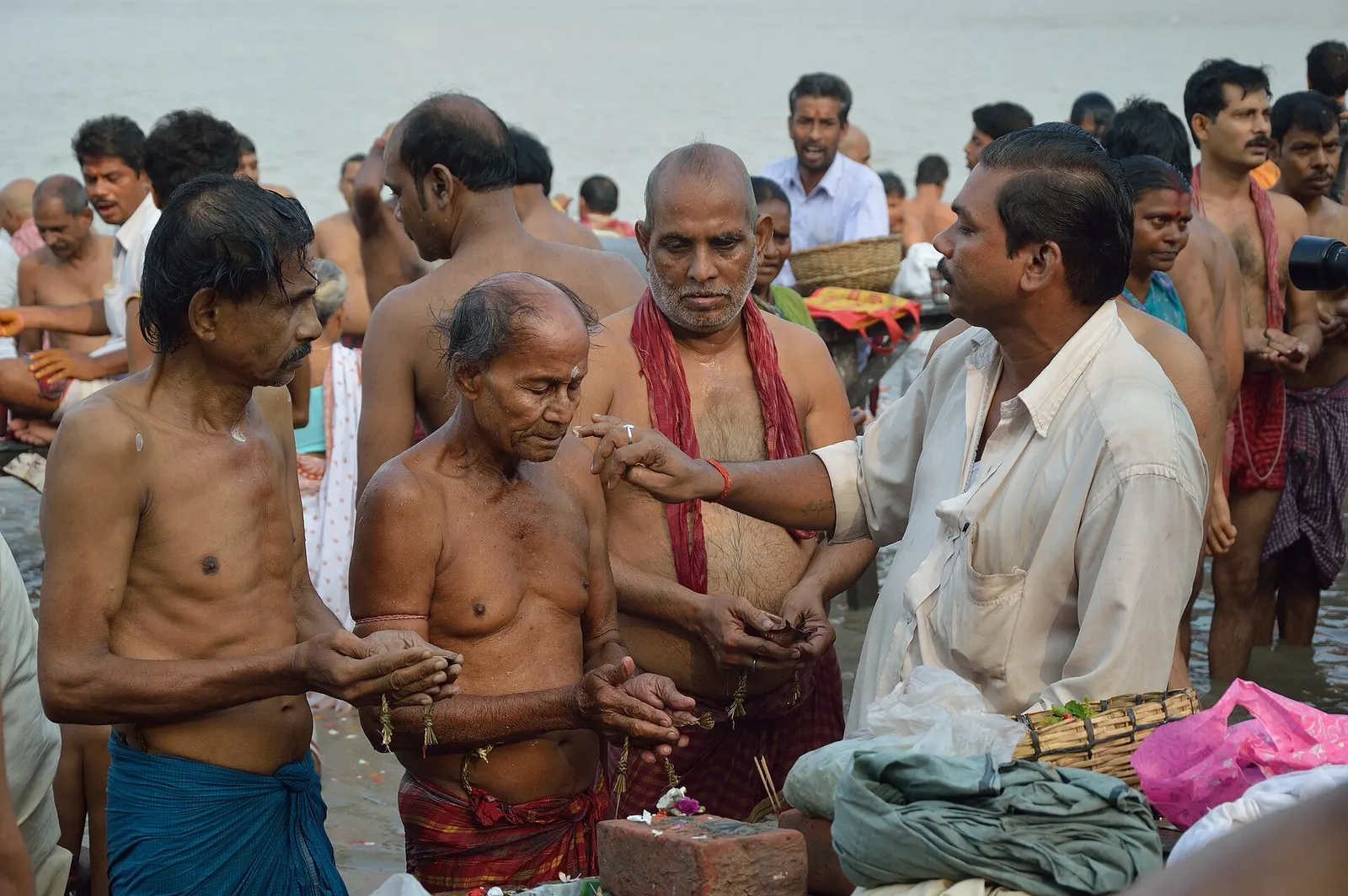
Pilgrimage centres such as Gaya and Kashi now routinely see daughters performing pind daan and tarpan for their parents. A well-known Gaya tradition even holds that Sita offered pind to King Dasharatha at the Phalgu river when Rama and Lakshmana were away, a story families often cite when the question comes up. If you are navigating this in your own family, the practical step is a conversation with a pandit who is willing to explain, not just recite rules.
Can a wife perform Shraadh?
Yes. A wife is eligible to perform Shraadh and pind daan for her husband, and the traditional orders of eligibility name her explicitly, particularly where there is no son or grandson able to do it. Widows in Kashi have performed these rites for generations. Many families today also have a wife and children take the sankalp together, so that the offering comes from the whole household rather than one person.
What actually matters in the ritual
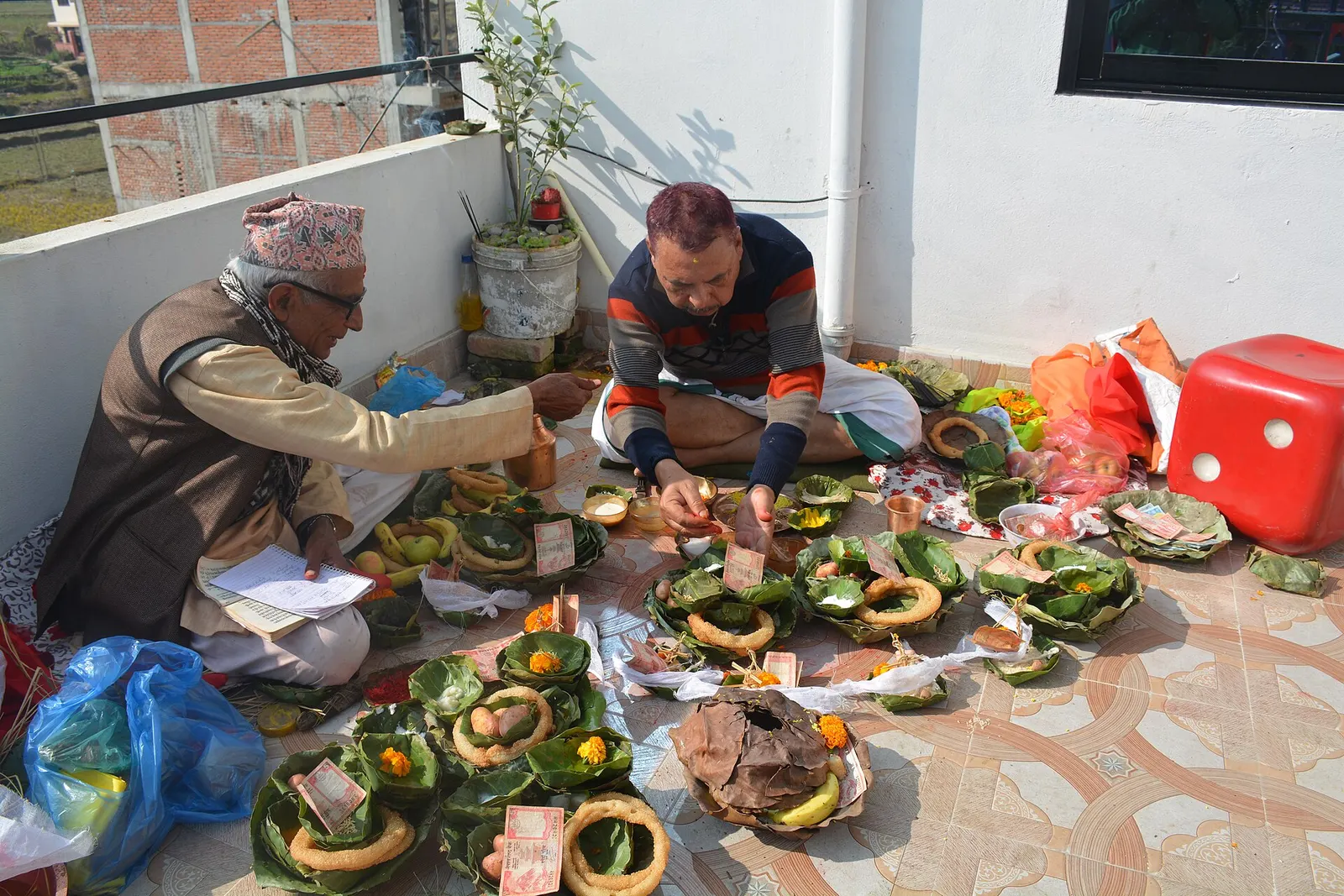
Set the question of who aside for a moment and look at what Shraadh is built from: the correct tithi (the lunar date matching the ancestor's death), a sankalp stating your name, gotra and intention, offerings of pind (rice balls) and tarpan (water with sesame), and mantras chanted by a qualified pandit on your behalf and with your participation. For how pind daan and tarpan fit together, see Tarpan and Pind Daan: What's the Difference?.
None of these core elements depends on the karta's gender. They depend on sincerity, correctness, and a pandit who performs the vidhi properly. DevPravas connects families, whether sons, daughters or both together, with pandits who perform Pind Daan and Shraadh live on the ghats of Gaya or Ujjain, so that whoever carries the responsibility can do so with confidence rather than doubt about whether it "counts".
Do I need to be present for Shraadh rituals?
Tradition values the karta's own participation: the sankalp is taken in their name, ideally while they are present. For families living far away, a live video call keeps that element intact, because you hear your name and your ancestor's name spoken in real time and can repeat the sankalp with the pandit. Where even that is impossible, many families ask a relative or the officiating pandit to act on their behalf. Neither is considered lesser when the intention is sincere.
When there's no son, or no one nearby
For many families this question is not philosophical. It is urgent and specific: a father has passed, there is no son, and someone has to perform the rite within the right window of days. If that is you, know this clearly: you are not disqualified, and you are not doing something lesser by stepping in.
For daughters and sons abroad, the Hindi search pitru paksha me shraadh kaise karein NRI ("how should an NRI perform Shraadh during Pitru Paksha") usually leads to the same answer: take the sankalp yourself on a live call. Losing a Parent Abroad: A Compassionate Guide to Shraadh for NRIs walks through the emotional and practical side, and our NRI hub explains timing by country.
FAQ
Can daughters perform Shraadh for their parents?
Yes. The traditional orders of eligibility include the daughter, and many pandits today perform the full rite with a daughter as karta, especially where there is no son or where she wishes to take the responsibility herself. Families in India and abroad increasingly choose this. On devpravas.in, whoever in the family takes the sankalp is named on the live call. See our Shraadh puja page.
Can a married daughter perform Shraadh for her parents?
Yes. Marriage does not end a daughter's bond with her birth family for the purpose of Shraadh. Many pandits perform the full rite with a married daughter as karta, sometimes alongside her husband or children. Some families also invite her son, the daughter's son, who appears in the traditional orders of eligibility. Pind Daan Explained covers the related rite.
Can a wife perform Shraadh for her husband?
Yes. A wife is named among those eligible to perform Shraadh and pind daan for her husband, particularly where there is no son or grandson able to perform it. Widows in Kashi and Gaya have long done so. She can take the sankalp alone or with her children. Our Pind Daan page explains how the live rite works for families in India and abroad.
Who can perform Shraadh rituals if there is no son?
Tradition lists several people who can step in: the wife, a daughter, the daughter's son, a brother, a nephew, or another close relative, and in some cases a disciple or family priest. What matters most is that the rite is performed with sincerity on the correct tithi. If you are unsure, message us and we will explain what your family's situation allows.
Can siblings perform Shraadh together or separately?
Both are common. Siblings can be named together in one sankalp, which suits families spread across cities or countries, or each can perform a separate rite for the same parent. Families abroad often choose one live ceremony that everyone joins on the same call. UK Families: Booking Ancestral Rituals Around GMT and Work Schedules covers coordinating across time zones.
Do I need to be present for Shraadh rituals?
Ideally the person taking the sankalp participates, but physical presence at the ghat is not required. Joining on a live video call lets you hear the names spoken and repeat the sankalp in real time. If you cannot attend live, a relative can take part and the recording remains available for 30 days. Our NRI hub explains timing by country.
We're here when you're ready
Whatever your family's situation, whether a daughter carrying this alone, siblings coordinating from three countries, or simple uncertainty about who can perform Shraadh rituals, a conversation with an experienced coordinator can settle more than a week of anxious searching. Message us on WhatsApp and we will help you understand what your family's Shraadh requires, or book directly when you are ready.
Share this article
Found this useful? Pass it on to a family member who is weighing the same question.