Pind Daan Meaning: Rituals, Purpose, and Who Should Perform It
By DevPravas Editorial Team · · 6 min read
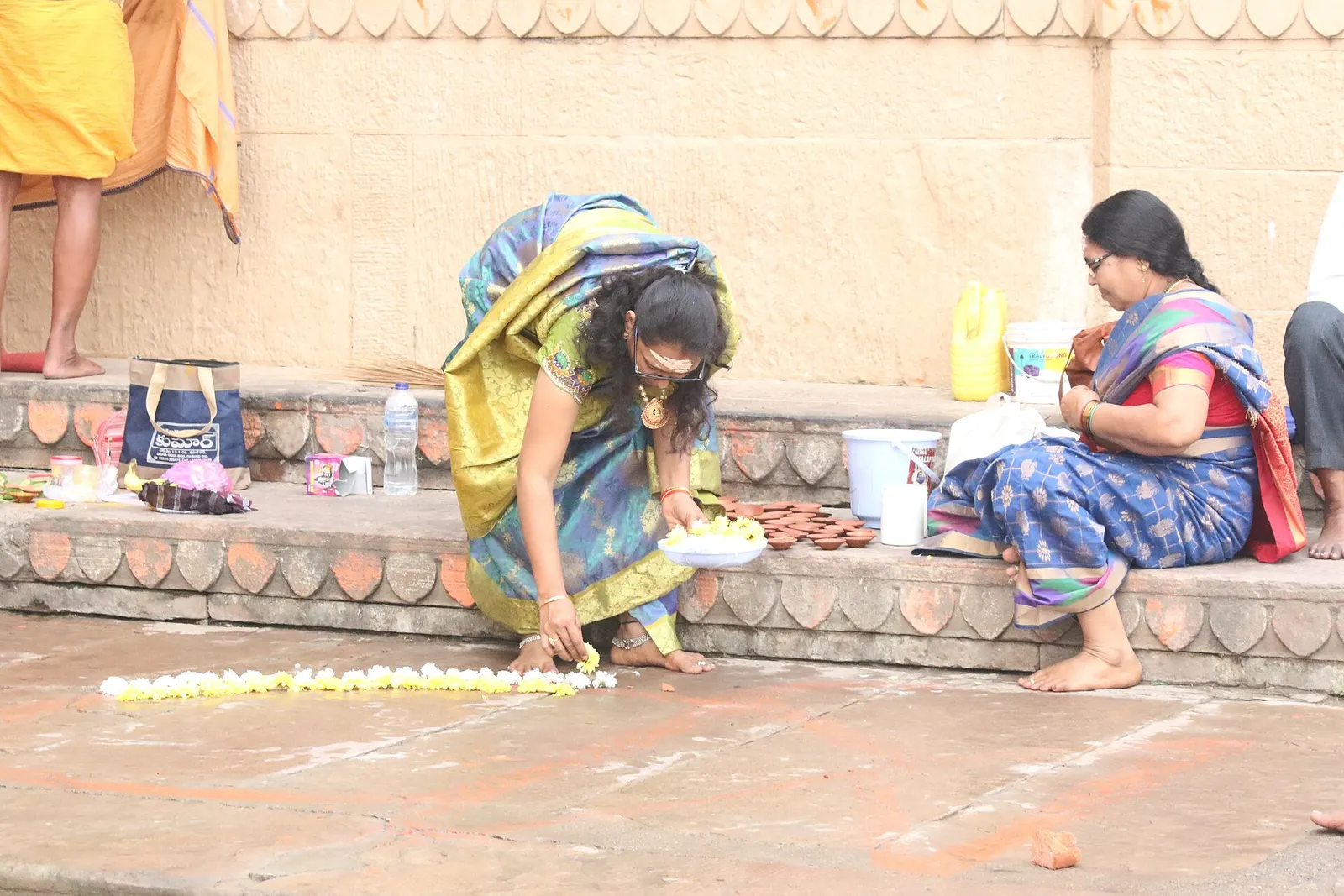
Ask ten people in Delhi NCR what Pind Daan actually involves and you'll hear ten half-answers stitched together from childhood memory - something about rice balls, something about the Ganga, something an uncle said at a funeral. It is one of the most widely performed Hindu rites and one of the least clearly explained, mostly because people meet it only when they are grieving too hard to ask questions.
So let's slow down and answer it properly: the Pind Daan meaning, what happens during the ritual, who performs it, and how families near and far arrange it today.
The Pind Daan Meaning, Word by Word
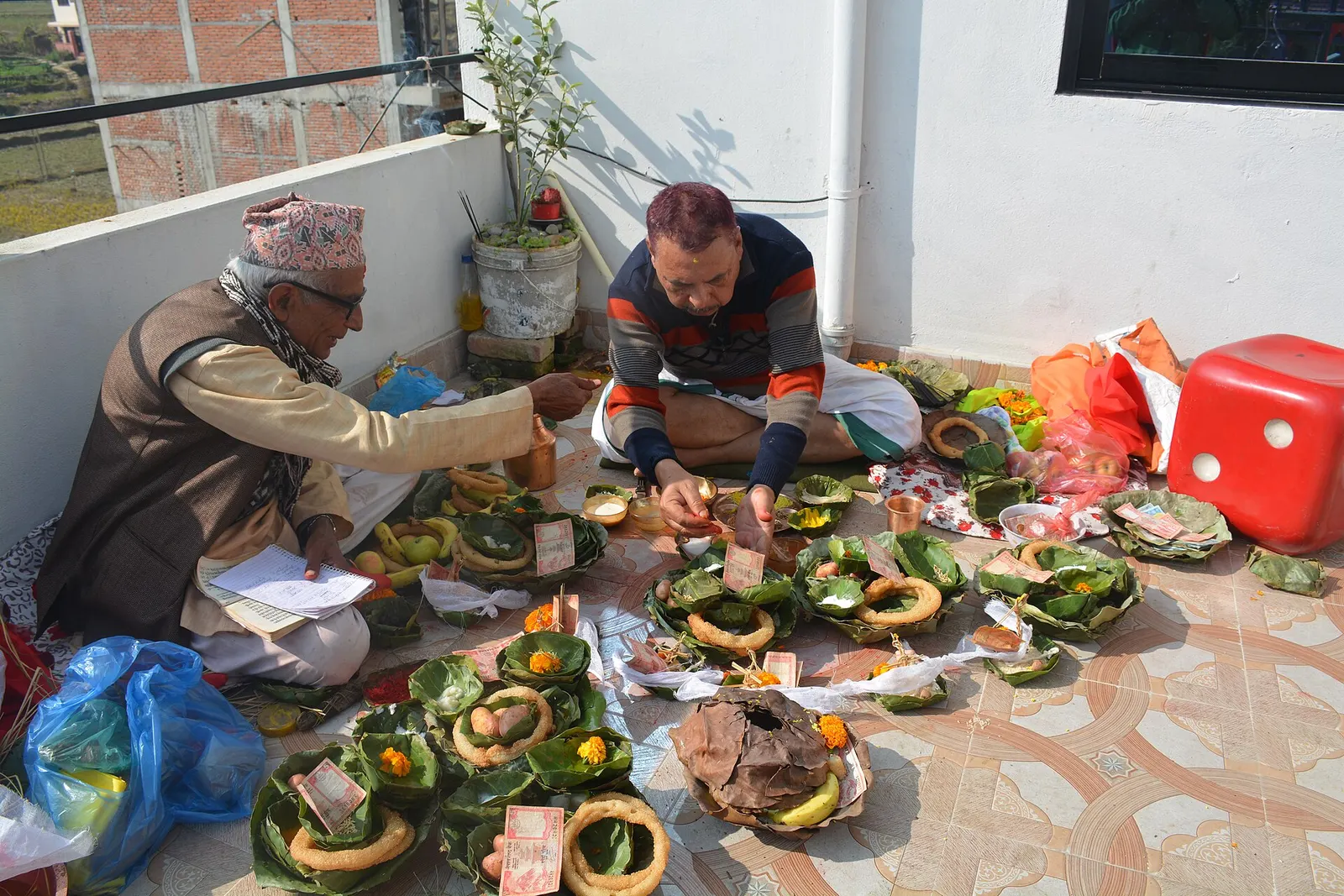
A pinda is a small ball of cooked rice or barley flour mixed with black sesame, ghee and sometimes honey or milk. Daan means giving. Together, Pind Daan is often understood as "offering a symbolic body" - giving the departed soul the nourishment it needs to complete its journey and move toward peace, or moksha.
Behind it runs a belief found throughout Hindu tradition: the living and their ancestors remain connected, and remembering them with offerings brings peace to both. This is also where the idea of Pitra Dosha comes from - an astrological condition associated with unfulfilled ancestral duties - which is why Pind Daan is often recommended as part of its remedy.
Where Pind Daan Is Traditionally Performed
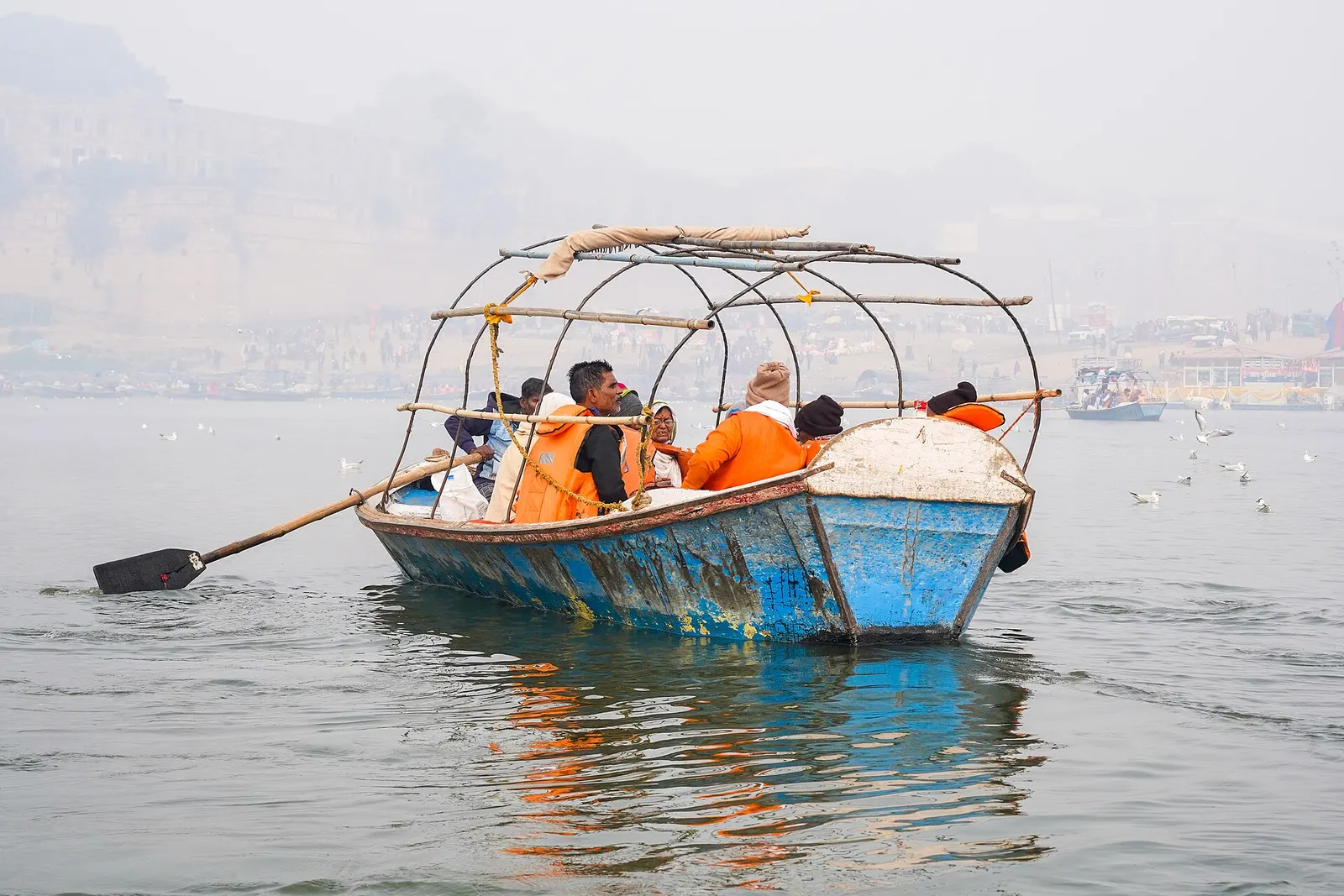
Certain places carry special weight. Gaya in Bihar is the most famous, followed by the Triveni Sangam at Prayagraj, Varanasi, Haridwar, and Ujjain on the Kshipra, where the ancient Siddhavat tree is associated with ancestral rites. Families travel to a tirtha - a sacred crossing point - because the rite is believed to carry added power there.
We explore this further in why Prayagraj's Sangam is sacred for ancestral rites, and describe the ceremony on the ground in what happens during Pind Daan on the ghats of Prayagraj.
Who Should Perform Pind Daan?
Traditionally, the eldest son performs Pind Daan for a parent, following a patrilineal convention found in many texts and regional customs. In practice today it is performed by whoever takes on the responsibility: a younger son, a grandson, a brother, a nephew, a wife or a daughter. Many pandits point out that Puranic sources don't forbid women from offering pindas, and that the sankalp - sincere intention - is what carries the weight.
If you've been told you aren't "allowed" to perform it for a parent, it's worth asking a second priest. Our FAQs on Shraadh: who can perform it covers the questions people ask most.
Pind Daan Rituals, Step by Step
Details vary by region and priestly lineage - a Gaya panda's practice differs in small ways from a Kashi or Ujjain pandit's - but most Pind Daan rituals follow this shape:
- Sankalp. The performer states the date, the place, their own name and gotra, and the names of the ancestors being honored.
- Preparing the pindas. The pandit shapes rice or barley pindas with sesame, ghee and honey.
- Invocation. Ancestors are invoked by name and lineage, typically three generations on the father's side and often on the mother's side as well.
- Offering. Pindas are placed on kusha grass with mantras, alongside Tarpan - water mixed with sesame poured through the fingers.
- Immersion and daan. The pindas are placed in the river or offered to cows or crows, and a gift of food, cloth or money is made in the ancestors' names.
None of this is meant to be intimidating. A good pandit walks the family through what's needed and why, rather than expecting them to know it already.
Pind Daan Versus Shraadh
People often use the words interchangeably, and the overlap is real. Shraadh is the broader rite of remembrance, performed each year on the death tithi or during Pitru Paksha. Pind Daan is a component within it, or a standalone rite, often performed once at a tirtha.
Tarpan vs Pind Daan untangles the related water offering. If you're planning around the fortnight, Pitru Paksha 2026 runs from September 27 to October 10; our Pitru Paksha 2026 guide has the details.
Pind Daan for NRIs Who Cannot Travel to India
Not every family can reach Gaya or Prayagraj. Work, health, visas and the cost of last-minute travel all intervene. Picture a son in Dallas whose mother's first anniversary falls in the middle of quarter-end: he wants the rite done properly, but cannot take ten days away.
For families like his, pravasi bhartiya puja booking - booking a ritual in India on behalf of Indians living abroad - has become a normal part of ancestral practice. DevPravas arranges Pind Daan (₹4,700) on the ghats of Gaya or Ujjain, performed live by a pandit with your family's names and gotra in the sankalp. You receive a same-day digital certificate, and an Aashirwad prasad box follows. For the full fortnight's rites there is also Shraadh / Pitru Paksha (₹5,100). Our NRI hub covers the country-specific details.
The same option serves families in India too. A household in Delhi NCR caring for an elderly parent who can't travel can book the same live ritual and watch together at home.
Wherever you are, it helps to decide in advance who will be named as the performer in the sankalp, and to gather the names of the ancestors being honored - father, grandfather and great-grandfather on the paternal side, and often the maternal line as well. A coordinator can help if some names are uncertain.
Pind Daan Questions, Answered
What is the meaning of Pind Daan?
The Pind Daan meaning is simple: pinda is a ball of rice or barley mixed with sesame and ghee, and daan is offering. The rite nourishes departed ancestors and helps them toward peace and moksha, and it is often performed during Pitru Paksha. See the Pind Daan page for how DevPravas performs it live.
Can I do Pind Daan online if I live in the USA?
Yes. A qualified pandit performs the rite at a sacred site in India while you watch live, with your name, your gotra and your ancestors' names spoken in the sankalp. Through devpravas.in, Pind Daan is performed on the ghats of Gaya or Ujjain and streamed to you. Our USA page covers time zones and prasad delivery.
Can a daughter do Pind Daan for her parents?
Traditionally sons performed it, but many pandits today accept daughters, wives and other relatives, especially when there is no son or he cannot be present. Sincere sankalp is considered what matters most. Local customs vary, so ask your family priest or coordinator. There is more in who can perform Shraadh rituals.
Does Pind Daan need to be done every year?
Generally no. Pind Daan at a major tirtha such as Gaya or Prayagraj is often treated as a once-in-a-lifetime rite, while shraadh is performed annually on the death tithi or during Pitru Paksha. Families differ, though. Our Pitru Paksha 2026 guide explains how the yearly rites sit alongside it.
When should Pind Daan be done after death?
It forms part of the funeral rites in the days after death, commonly concluding around the thirteenth day, and it may be performed again years later at a tirtha when the family is able. There is no expiry on its meaning. The Shraadh / Pitru Paksha page explains the annual observances that follow.
What do I need to provide for an online Pind Daan?
Usually just details: your name and gotra, the names of the ancestors being honored, and their relationship to you. The pandit arranges the samagri and handles the vidhi and mantras. If you don't know your gotra, see how to find your family gotra or simply tell your coordinator.
Arrange It With Care
Whether this has been on your mind for months or you've only now learned what the ritual involves, arranging it doesn't require a trip you can't take. Once the Pind Daan meaning is clear, the next step is simple: message us on WhatsApp, explore the Pind Daan page, or book directly to see available dates.
Share this article
Found this useful? Pass it on to a family member who is weighing the same question.