Gotra Confusion: How to Find Gotra for Puja When Nobody Remembers
By DevPravas Editorial Team · · 7 min read
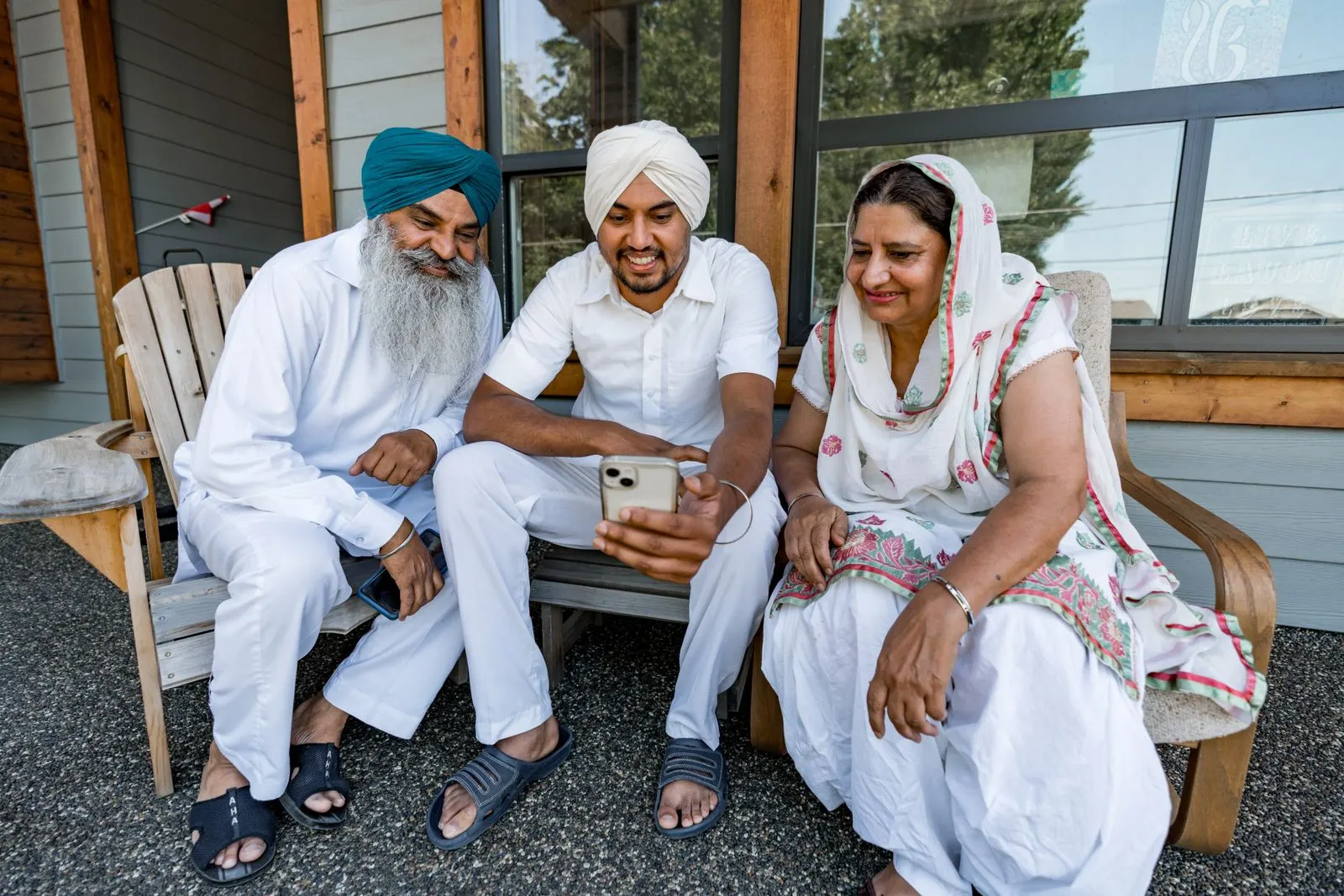
The booking form had nine fields. Name, phone number, date of birth, puja, preferred date - all easy. Then field six: Gotra. Ananya, a product manager in Hyderabad, stared at the blank box for a full minute before calling her father, who put her on hold and rang his elder sister in Warangal. Fifteen minutes later the answer came back: Kashyap. She had lived thirty-one years without ever needing to know it.
This happens constantly, and there is no shame in it. If you've ever searched how to find gotra for puja, you know the odd feeling of realizing that a word central to your ancestry simply never came up - not at school, not at work, sometimes not even at your own wedding, if the priest handled it quietly on your behalf.
What Gotra Actually Means
Gotra is a family lineage marker traced back to a rishi, one of the Vedic sages - names like Bharadwaj, Vashishtha, Kashyap, Vishwamitra, Atri, Jamadagni, Gautam and Agastya, along with others recognized in regional traditions. In most communities it passes down the paternal line, generation after generation, much as a surname does elsewhere.
Unlike a surname, though, gotra usually isn't printed anywhere. It doesn't appear on a birth certificate or a passport. It lives almost entirely in the memory of the family's elders. Some families also recite a pravara - the list of sages associated with their gotra - during major rituals, which is another clue worth asking about.
Gotra for Sankalp: Why the Pandit Asks
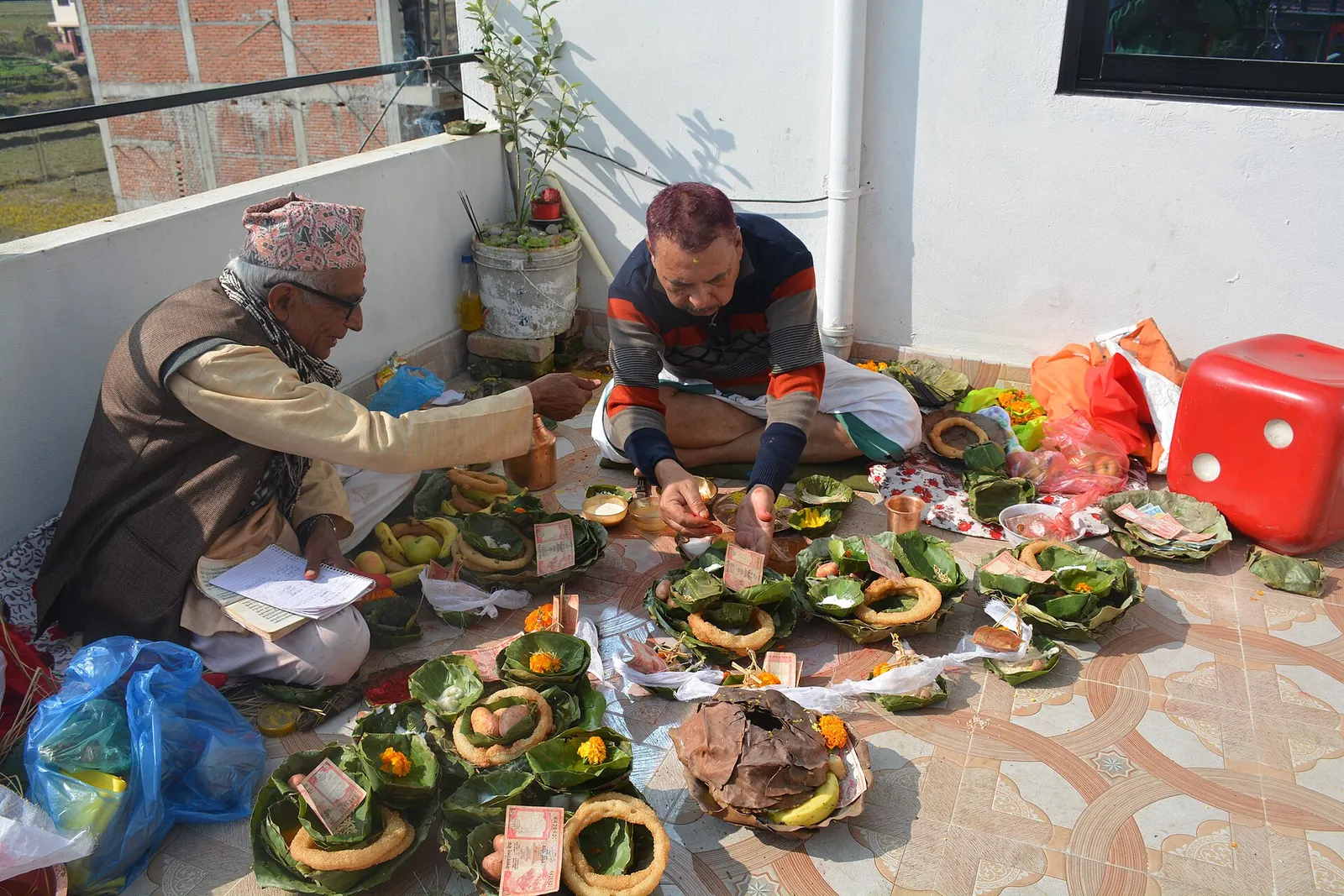
Gotra's main practical use today is the sankalp, the Sanskrit declaration at the start of nearly every puja in which the pandit states the devotee's name, gotra, place and intention. It's how the ritual is addressed to your family specifically, rather than performed as something generic.
That's why almost every booking - at a temple, with a local priest, or online - asks for it in the first few steps. It isn't bureaucracy. Some communities also use gotra in marriage matching, since two people of the same gotra were traditionally treated as members of one extended clan.
How to Find Gotra for Puja: Who to Ask, in Order
Start with the people most likely to know it cold:
- Your father or his siblings. Gotra runs through the paternal line in most Hindu traditions, so this is almost always the fastest route.
- Grandparents, if living. Especially a grandfather or great-uncle who has heard the sankalp recited at many family weddings.
- The family priest. Many families with roots in a particular village or town have a hereditary purohit, or a panda at a pilgrimage town such as Haridwar, Varanasi, Prayagraj or Gaya, who keeps handwritten ledgers of lineage going back generations.
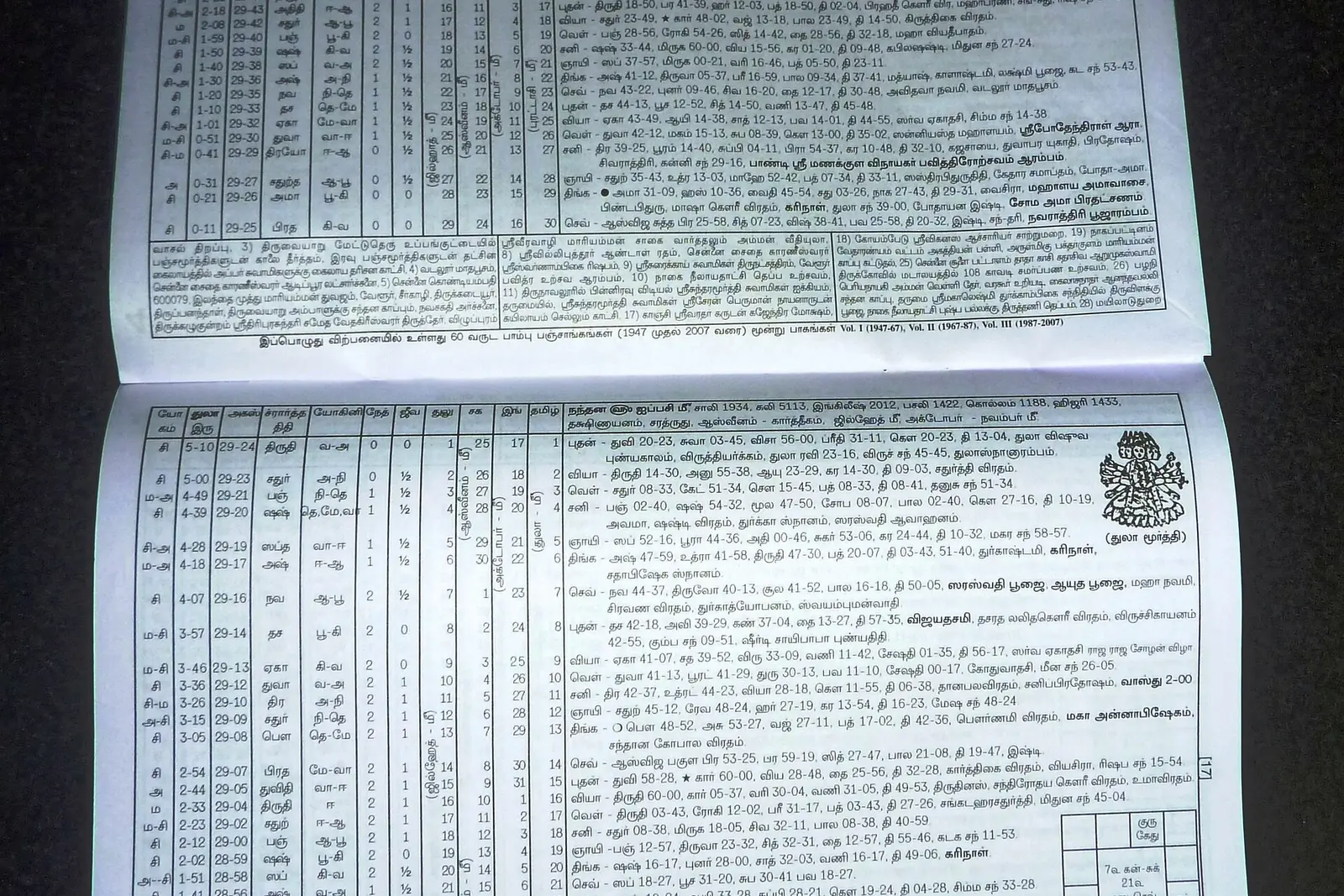
- Old wedding cards and ritual papers. Traditional invitations sometimes print the bride's and groom's gotra in small text, and horoscopes or kundlis made by family astrologers often note it.
- The temple your ancestors used. Priests at long-established family temples sometimes keep registers that record gotra.
- Community associations. Regional or caste associations occasionally hold genealogical records for families who migrated together.
A surname can offer a hint, but it isn't reliable: many unrelated families share a surname across different gotras.
What If I Don't Know My Gotra?
It happens more often than you'd think - in families that have been urban for several generations, or where the elder who held the knowledge passed away without handing it on. Pandits won't let it stop the puja. Two fallbacks are widely accepted:
- Kashyap gotra. Rishi Kashyap is regarded in Vedic tradition as a progenitor of all beings, so many pandits use Kashyap gotra as a respectful default.
- The family purohit's gotra. Some traditions hold that a person whose lineage is lost may take the gotra of their family priest.
Other pandits simply use a phrase in the sankalp acknowledging that the gotra is unknown. In every case, the puja proceeds and the intention behind it still reaches its purpose.
How Do I Choose a Gotra If I Don't Know My Ancestry?
This question comes up for adoptees, for people from communities that never tracked gotra, and for families whose paper trail broke during migration. You don't need to invent a lineage. Tell your pandit honestly; Kashyap is the usual choice, and once you choose, use it consistently across rituals.
Married women traditionally use their husband's gotra in the sankalp, though some families keep the birth gotra for rites for the woman's own parents. Where you know your family's custom, follow it.
Pandit Ji Online Booking USA: Gotra When You Book From Abroad
Families abroad often feel this gap most sharply. A couple in Los Angeles booking their first Rudrabhishek may have no elder nearby to ask, and reaching relatives in India means catching them before bedtime there, which on the West Coast is your morning.
When you book with DevPravas, the coordinator asks for gotra during the WhatsApp conversation. If you're unsure, they'll talk you through the fallbacks rather than leaving you stuck on a form field the way Ananya was. The pandit then chants your name and gotra live in the sankalp at the temple, exactly as it would be recited if you were standing there. Our NRI hub and USA page explain the rest of the process.
You Don't Need Perfect Certainty to Book
Whether you're in Hyderabad or Los Angeles, you don't need this fully resolved before booking. The point of asking early is so the pandit has it ready for the sankalp, not to gatekeep the ritual. If your aunt calls back with the answer the day before, just pass it on.
Gotra Questions People Ask
How can I find my gotra if my parents don't know it?
Ask the oldest relatives on your father's side, check old wedding cards, horoscopes and ritual papers, and contact the family priest or the temple your ancestors used. That's the core of how to find gotra for puja when parents are unsure. If nothing turns up, a devpravas.in coordinator can explain the accepted fallbacks. See how it works.
Can I use Kashyap gotra if I don't know mine?
Yes. Many pandits accept Kashyap gotra as a respectful default, because Rishi Kashyap is regarded as a progenitor of all beings. Some traditions use the family priest's gotra instead. Either way, the puja proceeds in full. Mention it when you book a ritual such as Rudrabhishek, and the pandit will use the appropriate form.
Is gotra the same as caste or surname?
No. Caste, or jati, is a broad social community, while gotra is a lineage traced to a rishi. People of different castes can share a gotra, and families with the same surname can have different gotras, so a surname is only a hint. Our Pind Daan explainer shows how lineage is invoked in ancestral rites.
Does a woman's gotra change after marriage?
Traditionally, a married woman uses her husband's gotra in the sankalp, while some families keep her birth gotra for rites for her own parents. Customs vary by community, so follow your family's practice where you know it. For ancestral rites specifically, see who can perform Shraadh rituals.
Can I book a puja online without knowing my gotra?
Yes. Mention it when you message a coordinator, and an accepted fallback will be used in the sankalp. Your name, your family members' names and your intention are still chanted live at the temple. Browse the puja catalog to choose a ritual, then book directly when you're ready.
Why is gotra recited in ancestral rites?
In rites like shraadh and Pind Daan, ancestors are invoked by name and lineage, so the gotra identifies exactly whom the offerings are for. That is why pandits ask for it first. The Shraadh / Pitru Paksha page explains how the rite is performed live, including when the gotra is unknown.
Ready to Book?
Once you have your gotra sorted - or even if you're still working out how to find gotra for puja - you don't have to navigate the rest alone. Browse our full range of pujas or read how DevPravas works for families everywhere, then message us on WhatsApp and a coordinator will walk you through it, fallback included. You can also book directly here.
Related reading: Can NRIs Do Shraadh Without Going to India?, Pitru Paksha Shraadh Dates 2026: Full Tithi Calendar, and Rudrabhishek Puja Benefits, Rituals, and When to Book One.
Share this article
Found this useful? Pass it on to a family member who is weighing the same question.