Rudrabhishek Puja Benefits, Rituals, and When to Book One
By DevPravas Editorial Team · · 6 min read
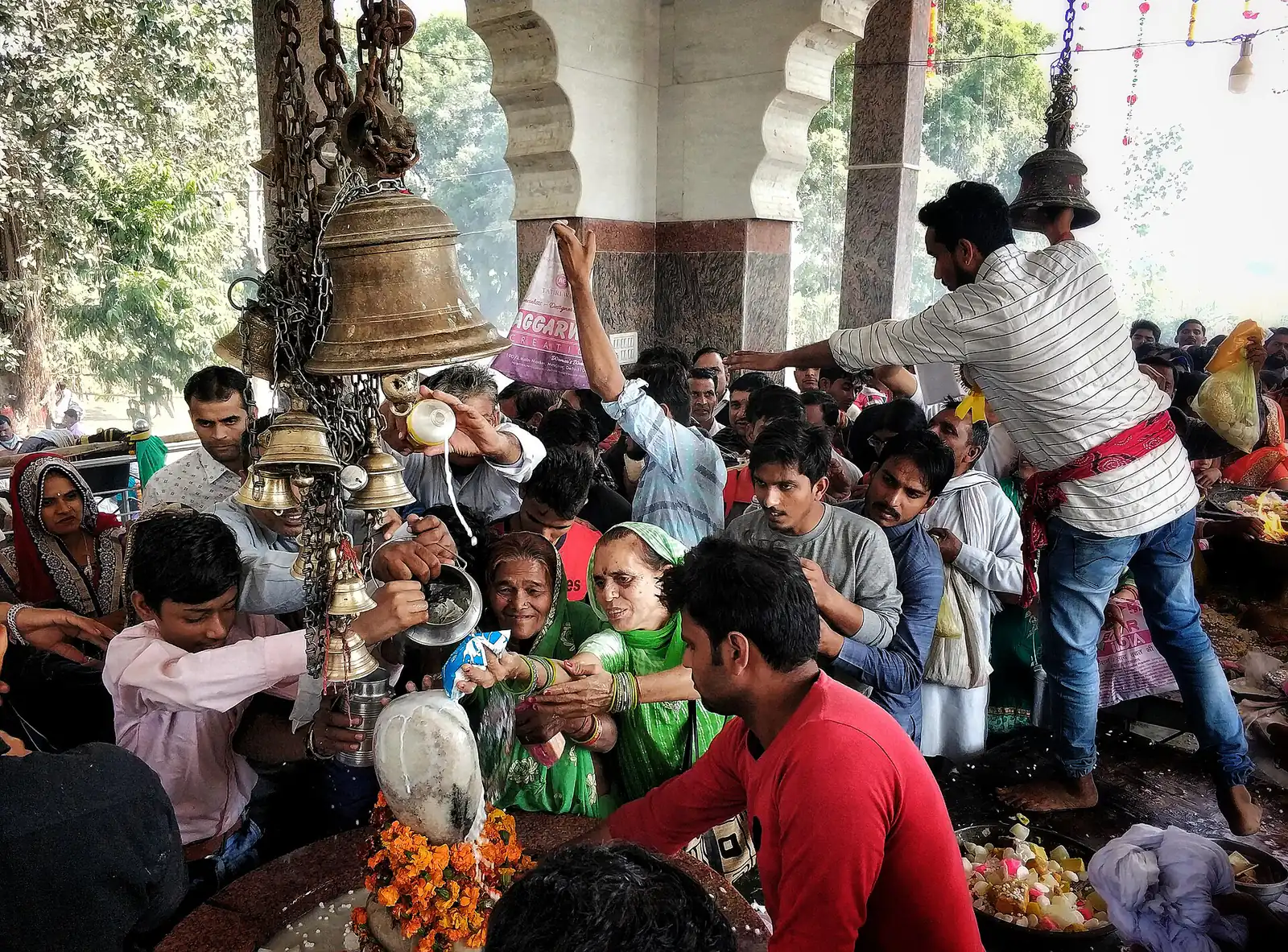
A copper pot. A thread of water falling over stone for the better part of an hour. A low, unhurried voice repeating verses older than most languages spoken today. If you've walked past a Shiva temple in Bengaluru on a Monday morning and heard that rhythm through the gates, you've heard the outer edge of a Rudrabhishek.
It is one of the oldest continuously performed Hindu rituals, and the questions people ask about it are remarkably consistent: what are the Rudrabhishek puja benefits, how is it done, which type should I choose, and when? This guide answers each, whether you'll attend a temple in person or book one performed on your behalf.
What Rudrabhishek Actually Is
Rudrabhishek is a ritual abhishek - ceremonial bathing - of a Shiva lingam, performed while chanting the Rudram, an ancient hymn from the Krishna Yajurveda addressed to Rudra, the fierce and protective form of Shiva. Substances are poured over the lingam one after another: water for purity, milk for nourishment, honey for sweetness in life, yogurt for prosperity, ghee for strength, and sometimes sugarcane juice, sandalwood paste or bhasma, depending on the tradition.
The Rudram itself is chanted in structured cycles, and the number of repetitions usually reflects the scale of the occasion and the intensity of the intention behind it.
Rudrabhishek Puja Benefits: Why Families Book It
Families book Rudrabhishek for many reasons, and it helps to be specific about what people traditionally hope for:
- Health and recovery. Many families turn to it during or after a serious illness, for the person recovering and for the household's peace of mind.
- Removing obstacles. Shiva as Rudra is associated with clearing blockages - professional stagnation, repeated setbacks, a run of bad luck with no obvious cause.
- Harmony at home. Some families book it when relationships are strained, seeking calm between spouses or across generations.
- Marking a difficult anniversary. It's often performed around the anniversary of a loss, as an act of remembrance as much as a request for blessing.
- Peace and protection. Many bookings aren't tied to a crisis at all; they're a spiritual reset at the start of a new season, job or chapter.
- Planetary concerns. Rudrabhishek is frequently recommended alongside remedies for doshas such as Kaal Sarp or Manglik.
These are traditional beliefs, and most pandits will tell you that sincere devotion matters more than any particular outcome.
Types of Rudrabhishek
By offering, families and pandits often speak of jal abhishek with water, dugdh abhishek with milk, and panchamrit abhishek with milk, curd, ghee, honey and sugar, each traditionally associated with particular intentions.
By scale, the main forms are:
- Rudrabhishek - the Rudram recited once or in a set of eleven (Ekadasha Rudra), usually by one pandit.
- Laghu Rudra - 121 recitations, typically by a group of pandits. DevPravas offers a live Laghu Rudra (₹11,500).
- Maha Rudra - 1,331 recitations, a major undertaking over several days or with many priests.
- Ati Rudra - 14,641 recitations, rare and usually organized by temples or communities.
For most families, a standard Rudrabhishek is the right starting point.
The Ritual Sequence, Briefly
- Sankalp - the pandit states the devotee's name, gotra and specific intention.
- Ganesh puja - a short invocation to clear obstacles before the main ceremony.
- The abhishek sequence - water, milk, honey, yogurt, ghee and other substances offered in order, each with its mantras.
- Rudram chanting - the heart of the ritual, repeated in cycles.
- Aarti and prasad - a closing flame offering and the distribution of prasad.
If any of these terms are new to you, that's entirely normal.
When to Do Rudrabhishek
There is no wrong time, but a few patterns are worth knowing:
- Mondays, Shiva's day, and especially Mondays in the month of Shravan.
- Maha Shivratri and Pradosh, the thirteenth lunar day, both closely associated with Shiva.
- During or after a health scare, often as soon as a difficult period begins.
- Around an anniversary of a loss, a recovery or a significant life event.
- At the start of a new chapter, as a general reset.
Some pandits also check Shiv-vaas, a tithi-based consideration, before fixing a date. Your priest or coordinator can advise.
Ghar Baithe Puja Kaise Karayein: Rudrabhishek From Home
The Hindi question in this heading - how do I get a puja done from home? - applies to Rudrabhishek as much as any ritual. You have three options: attend a temple in person, invite a local priest home, or book a Rudrabhishek performed live in Ujjain and watch from wherever you are.
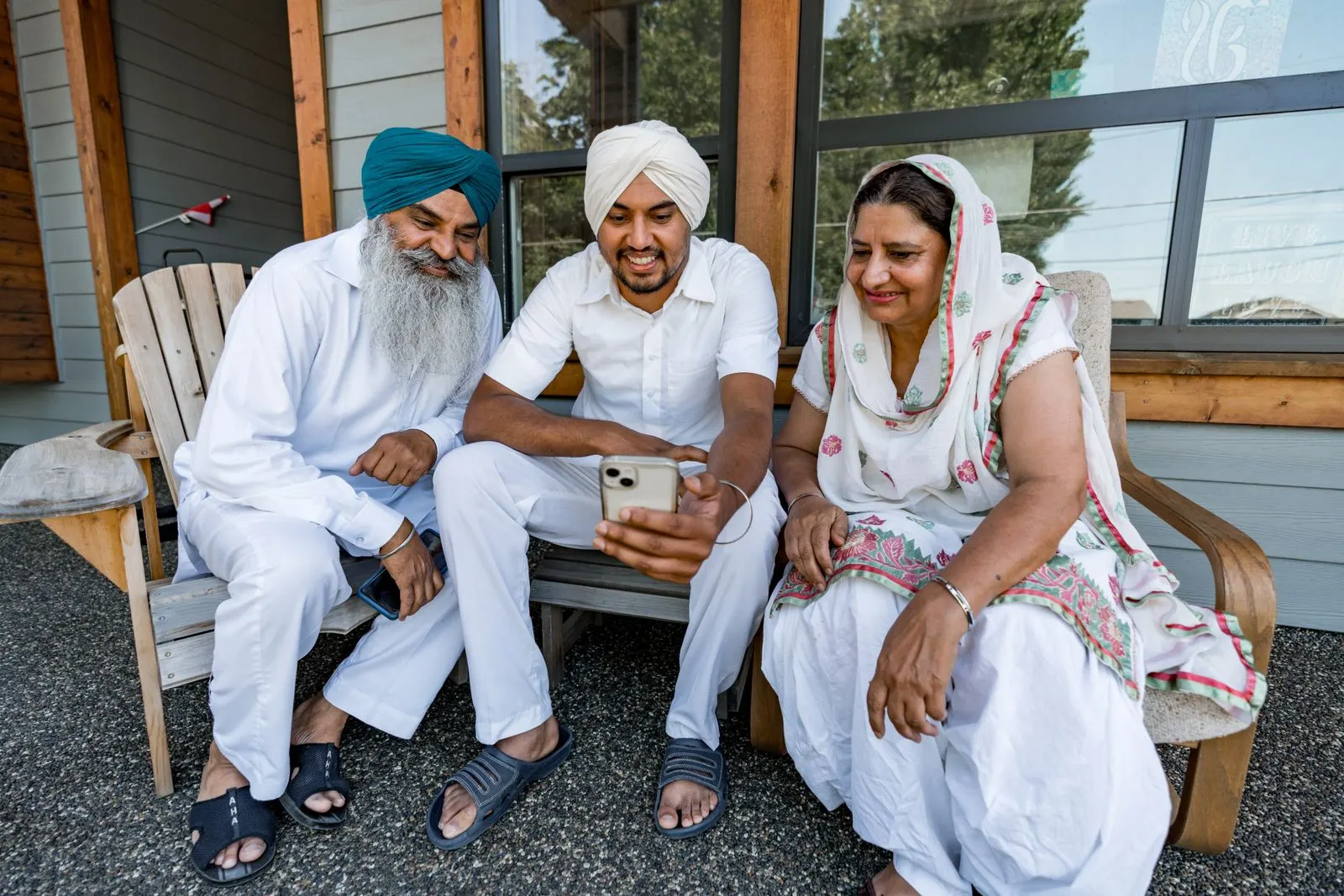
The last option suits a software engineer in Bengaluru who can't reach Ujjain on a weekday as well as it suits a family in New York for whom India is a flight away. DevPravas's Rudrabhishek is ₹4,700, with a same-day certificate and an Aashirwad prasad box afterward. One family in New Jersey booked theirs in memory of a father; you can read their story here. Families abroad will find time zones and delivery explained on our NRI hub.
Is Rudrabhishek Effective If Performed by Video Call?
Pandits generally say effectiveness rests on correct vidhi, the Rudram chanted properly, and a sankalp that names you and your gotra - all of which happen in full at the temple. Having rites performed on one's behalf is long established; families have always asked priests at distant tirthas to perform rituals in their name. Live video simply lets you witness it.
Before You Book: Know Your Gotra
Every Rudrabhishek opens with a sankalp that includes your family's gotra. If you're not sure what yours is, how to find your family gotra covers who to ask and what pandits do if nobody remembers.
Rudrabhishek Questions, Answered
What are the benefits of Rudrabhishek puja?
Traditionally, Rudrabhishek puja benefits include peace of mind, protection, support during illness, removal of obstacles, relief from planetary doshas and harmony at home. Pandits stress that devotion matters more than any specific outcome. The Rudrabhishek page describes the live ritual DevPravas performs in Ujjain, including what you receive afterward.
Which day is best for Rudrabhishek?
Mondays are Shiva's day and the most popular choice, especially during Shravan, along with Maha Shivratri and Pradosh. Some pandits also check Shiv-vaas for the tithi before fixing a date. If you're joining from abroad, see joining a live puja from India across time zones to plan the hour.
Can Rudrabhishek be done at home?
Yes. Many families perform a simple abhishek at home with water or milk while chanting "Om Namah Shivaya", or invite a priest for the full Rudram. If a pandit isn't available locally, you can book one performed live in Ujjain through devpravas.in and watch from home. Browse the puja catalog to compare rituals.
How long does a Rudrabhishek take?
A standard Rudrabhishek usually takes around an hour, varying with the number of Rudram recitations and the priest's tradition. A Laghu Rudra, with 121 recitations by several pandits, takes considerably longer. Compare the Laghu Rudra and Rudrabhishek pages to see which suits your occasion.
Can Rudrabhishek be performed for someone who is unwell or absent?
Yes. The person's name and gotra are included in the sankalp whether or not they can attend, and many families book it during an illness for exactly this reason. If you're unsure of the details the pandit will ask for, our guide on how to find your family gotra will help.
Is Rudrabhishek only for Shiva devotees?
No. Families across many Hindu traditions perform it for health, protection and peace, whichever deity they worship day to day. NRI families often book it around milestones such as a new job or a recovery; our NRI hub explains how booking from abroad works.
Book a Rudrabhishek
If the Rudrabhishek puja benefits described here speak to what your family needs, you can arrange one performed live in Ujjain through our Rudrabhishek puja page, wherever you live. Message us on WhatsApp to talk it through, explore the wider puja catalog, or book directly here.
Share this article
Found this useful? Pass it on to a family member who is weighing the same question.