Sangam Pind Daan Significance: Why Prayagraj Is Sacred for Ancestral Rites
By DevPravas Editorial Team · · 7 min read
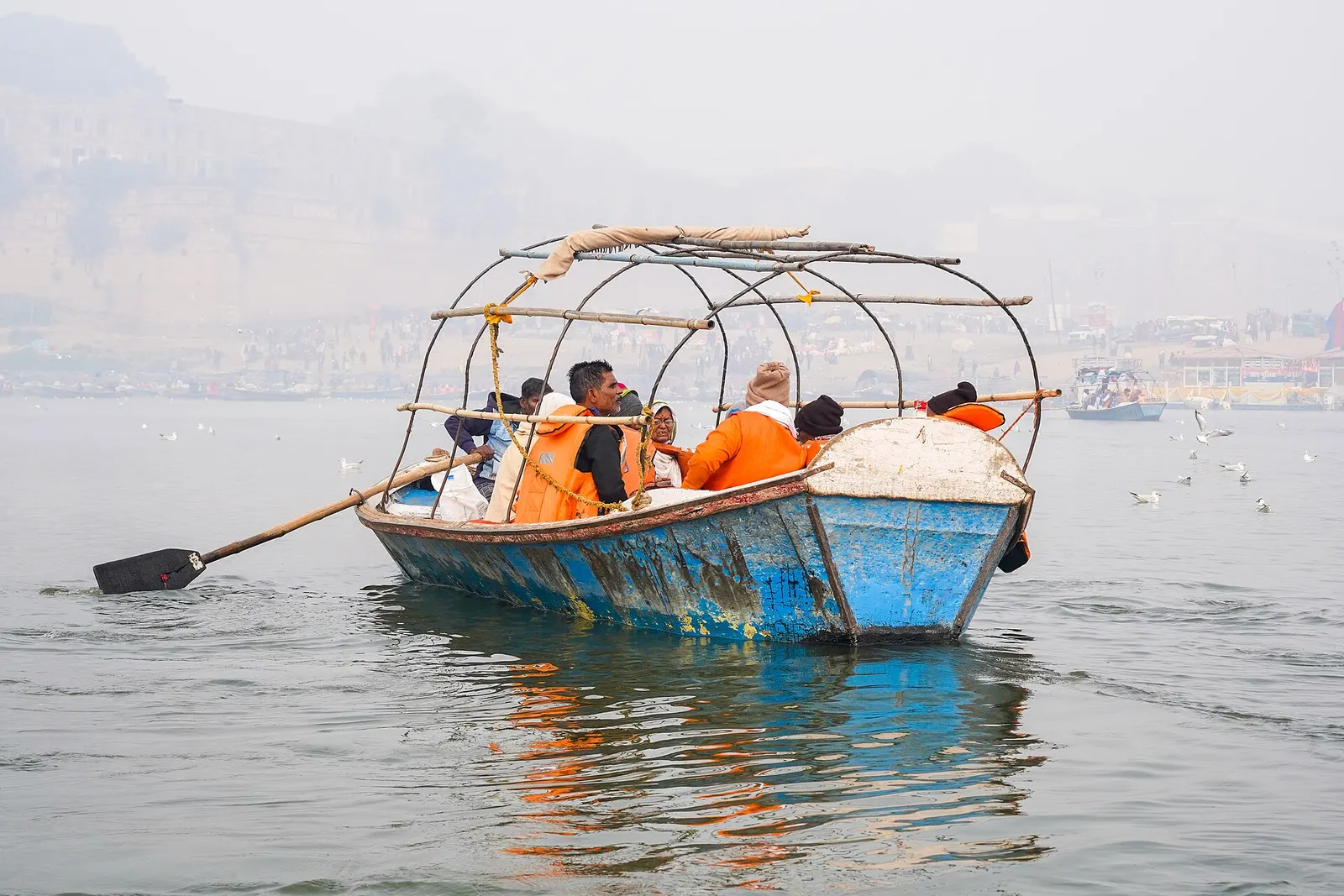
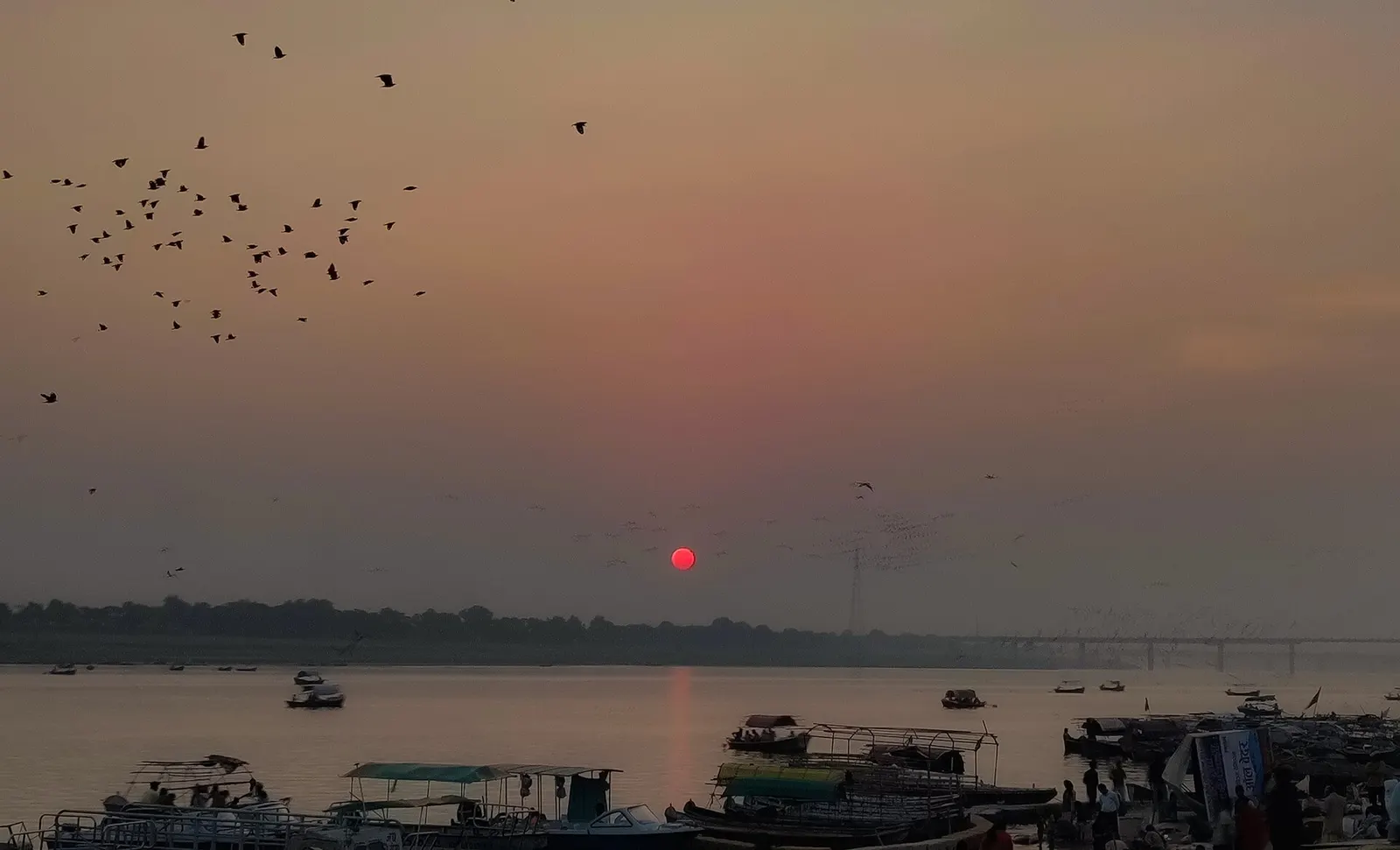
Three rivers meet at Prayagraj, though only two can be seen. The Ganga arrives wide and pale from the north-west. The Yamuna, greener and slower, joins it from the south-west. The Saraswati, according to tradition, flows in unseen beneath them, meeting the other two at the point where boatmen have ferried families for ancestral rites for as long as anyone has kept records. That meeting point, the Triveni Sangam, is the heart of the Sangam Pind Daan significance: families come here specifically, rather than to any other stretch of river, when they want to honour those who have gone before them.
This guide explains why the confluence holds that place, what the ritual involves, how it relates to Gaya and Varanasi, and how families who live far away, whether in Lucknow or Auckland, can still take part.
Why Prayagraj for Pind Daan: the idea of a tirtha
In Hindu tradition, a tirtha is a "crossing place", a site where the boundary between the worldly and the sacred is thought to be thin. Most riverside rites can be performed at any sacred ghat; a single holy river is enough. The Sangam is treated differently because a confluence is understood as a place of heightened power, where the meeting of waters mirrors the meeting of realms: the living and the departed, the visible and the unseen.
Puranic literature calls Prayag Tirtharaj, the "king of pilgrimage places", and the Mahabharata and several Puranas praise bathing and making offerings here. Pilgrim priests often describe Prayagraj as the first gate on the ancestors' path to liberation, with Kashi (Varanasi) as the second and Gaya as the last. A saying repeated on the ghats pairs each city with a rite: Prayag with mundan (ritual head-shaving), Kashi with the last journey, and Gaya with pind daan. Together they explain why many families visit more than one of these places over a lifetime.
Triveni Sangam ancestral rites: what the ritual involves
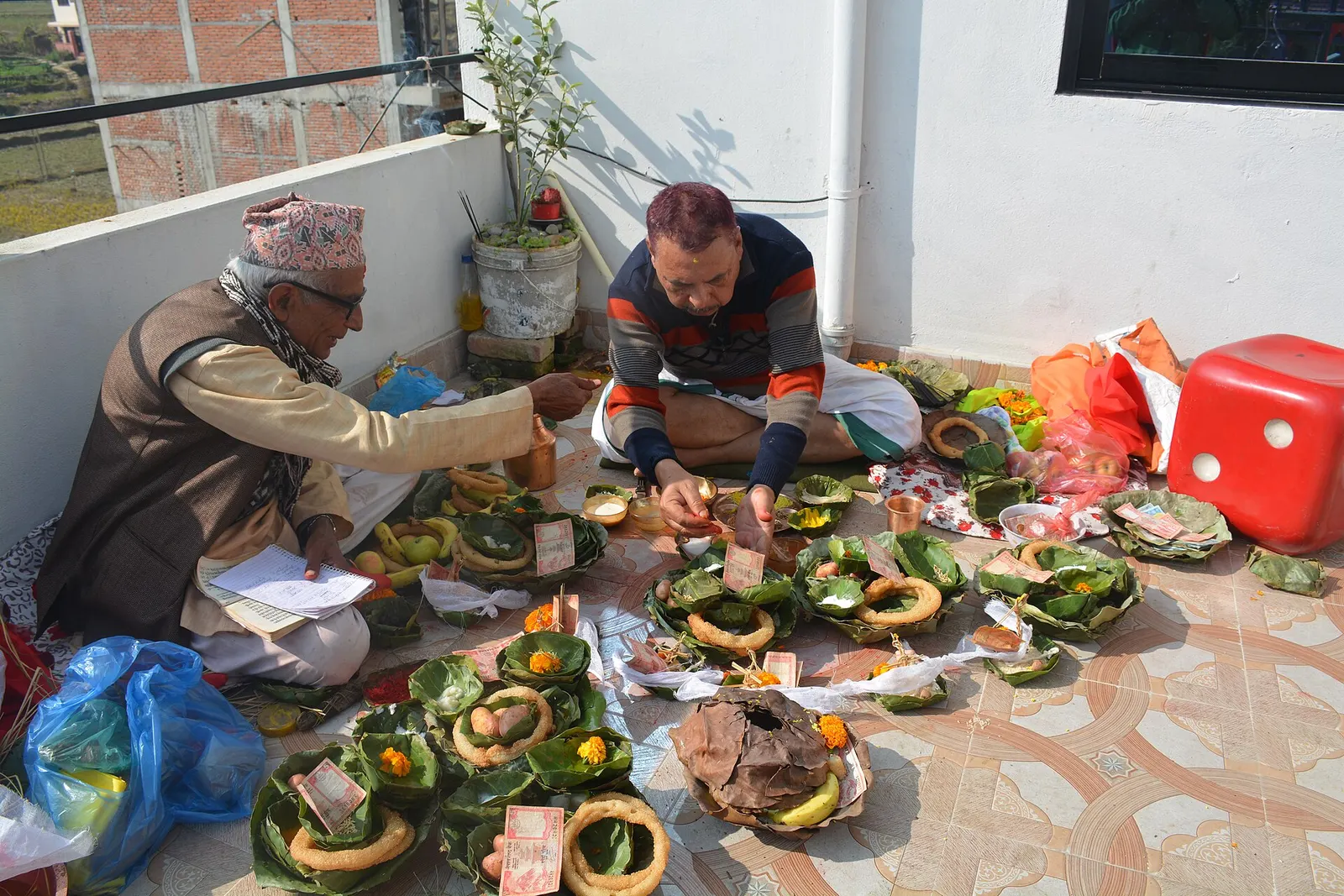
A typical pind daan at the Sangam begins with a sankalp: the family member performing the rite states their name, gotra and intention, and names the ancestors being honoured. Many families first perform mundan on the bank. The family then goes out by boat to the confluence, where the colour line between the two visible rivers is often clear.
Pinds, balls of cooked rice or barley flour mixed with black sesame, ghee and honey, are offered with mantras invoking each ancestor by name. Tarpan, the offering of water with sesame and kusha grass, follows, and the pinds are released into the water. Many families end with a dip at the Sangam and with daan (charity) given in the ancestors' names. The rite is unhurried and specific, and for many families it is the most emotionally significant ritual they perform for a parent or grandparent.
Sangam, Gaya and Varanasi compared
Gaya in Bihar is the destination most classically associated with pind daan; its Vishnupad temple and the Phalgu river are central, and some traditions treat a Gaya shraddh as the most complete rite for an ancestor. Varanasi, with Manikarnika and Harishchandra ghats, is most closely tied to cremation and to ongoing shraddh and tarpan. Prayagraj holds its own place: many families perform pind daan here during Pitru Paksha, or begin a pilgrimage at the Sangam before continuing to Kashi and Gaya, treating the three as complementary rather than competing.
Sangam Pind Daan significance and the Kumbh connection
Prayagraj's sanctity is also why it hosts the Kumbh Mela and the annual Magh Mela, when vast numbers of pilgrims bathe at the Sangam believing the confluence purifies at particular astrological moments. Pind daan draws on the same belief in the site's power, directed to a different purpose: not the purification of the living, but the peace of the departed. Priests on the ghats like to point out that the waters crowded during Kumbh serve this quieter purpose on every ordinary day of the year, for any family that arrives with a name and a gotra to offer.
When to perform pind daan at the Sangam
Pitru Paksha is the most sought-after time. In 2026 it opens with Purnima Shraddh on September 26 and ends on Sarva Pitru Amavasya, October 10. Families also come on the ancestor's annual death tithi, on Amavasya days through the year, and during the Magh Mela. The early-afternoon window, the aparahna, is traditionally preferred for pitru rites. For the full list of dates this season, see the Pitru Paksha Shraadh Dates 2026: Full Tithi Calendar.
Pind Daan for NRIs who cannot travel
Not every family can make the journey, and that reality does not reduce the sincerity of the rite. A retired couple in Lucknow may not be able to manage the boat and the crowds. A family in Auckland faces a long flight and leave from work during the very weeks the rite matters most. Both are in the same position: they want the rite done properly, at a sacred site, without being physically present for all of it.
In most traditions, what matters is that the ritual is performed correctly by a qualified pandit, on the right tithi, with the ancestors' names and your gotra spoken in the sankalp. Watching live, hearing those names spoken over the water, connects you to the moment. For families who need a service abroad, pravasi bhartiya puja booking, as it is often searched in Hindi, meaning "puja booking for Indians living abroad", is increasingly how that gets arranged.
At DevPravas, live rites from Prayagraj are coming soon; you can follow progress on our Prayagraj city page. Today, our Pind Daan and Shraadh / Pitru Paksha rites are performed live on the ghats of Gaya or Ujjain, both ancient tirthas, with your family watching on a video call. Our NRI hub explains how time zones and prasad delivery work from your country.
Frequently asked questions about pind daan at the Sangam
Why is pind daan done at Prayagraj?
Prayagraj sits at the Triveni Sangam, the confluence of the Ganga, Yamuna and the unseen Saraswati, and Puranic texts honour it as Tirtharaj, the king of pilgrimage places. A confluence is considered especially powerful for rites that help ancestors find peace. For a closer look at the ceremony on the ghats, read What Happens During Pind Daan on the Ghats of Prayagraj.
Is pind daan at the Sangam better than at Gaya?
Traditions differ rather than rank. Gaya is classically considered the culminating place for pind daan, while Prayagraj is often described as the first gate on the ancestors' path, which is why many families perform rites at both. A sincere, correctly performed rite on the proper tithi matters most. Pind Daan Explained covers the ritual's meaning in more depth.
What is the Sangam Pind Daan significance for families who cannot travel?
The significance lies in the rite itself: the sankalp, the offerings and the ancestors' names spoken at a sacred site. Families who cannot travel can still have a pandit perform the rite while they watch live. On devpravas.in, Pind Daan is currently performed live from Gaya or Ujjain, and live rites from Prayagraj are coming soon. See our Prayagraj page.
Can pind daan be done online from the USA, UK or Canada?
Yes. Many families abroad book a pandit to perform pind daan at a sacred site while they join by live video, sharing the ancestors' names, gotra and tithi in advance. Time zones decide when you can watch comfortably, so pick the slot with your coordinator. Our NRI hub sets out country-by-country timing, prasad delivery and what you receive afterwards.
What is the difference between pind daan and tarpan?
Pind daan is the offering of rice or barley balls to nourish and honour the ancestors; tarpan is the offering of water with black sesame and kusha grass. At the Sangam the two are usually performed together, tarpan following the pinds. Tarpan and Pind Daan: What's the Difference? explains when each is used on its own.
Is Prayagraj the same as Allahabad?
Yes. The city was officially renamed Prayagraj in 2018, restoring the ancient name Prayag, which appears in the Puranas. You will still see Allahabad on older maps, railway timetables and family documents, and the Sangam, the ghats and the Magh Mela grounds are the same place under either name. Our Prayagraj city page has more on the city.
Related reading
If you are working out who in your family should take the sankalp, FAQs on Shraadh: Who Can Perform It, and Does Gender Matter? answers the most common questions. You can also browse every ritual we perform on the puja catalogue.
Honour your ancestors, wherever you are
Understanding the Sangam Pind Daan significance is often the first step; arranging the rite is the next. If you would like a pind daan or Shraadh performed live for your family this Pitru Paksha, message us on WhatsApp with your ancestors' names and your gotra, or book directly at book.html. We will tell you honestly what is available today and what is coming soon.
Share this article
Found this useful? Pass it on to a family member who is weighing the same question.