Losing a Parent Abroad: A Gentle Guide to Shraadh Puja for a Father's or Mother's Anniversary
By DevPravas Editorial Team · · 7 min read
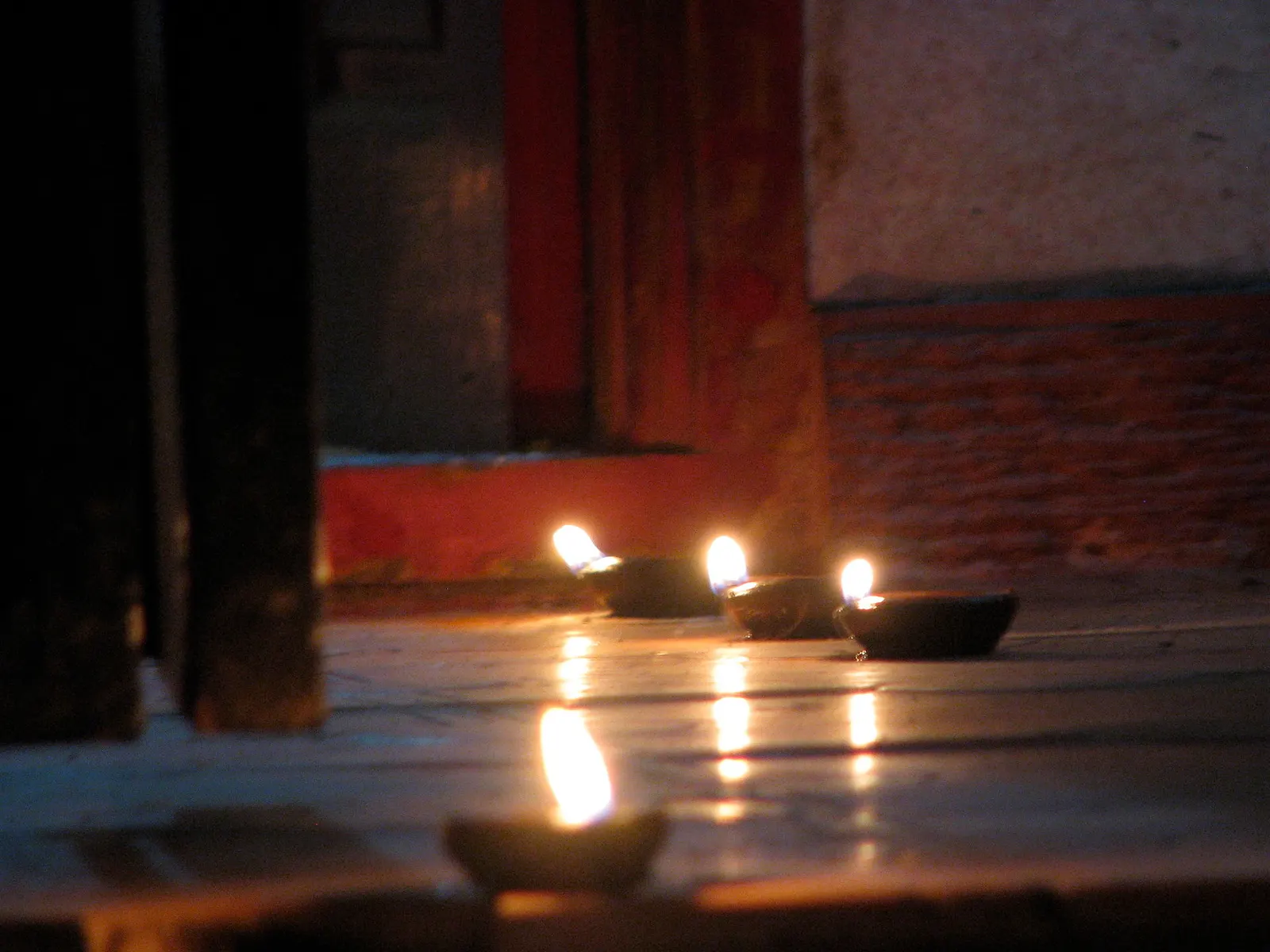
If you're reading this, there's a real chance you aren't researching Shraadh out of curiosity. Someone you loved has died. Somewhere in the fog of the last few weeks or months, you've realised there's a ritual you're now responsible for, and you don't fully know how to do it, or how to do it from where you are.
Perhaps you typed Shraadh puja for father mother anniversary into a search bar late at night. This guide explains, gently, what that ritual is when you live abroad, how the first one differs, and how families take part from far away. Perhaps you're in Denver, and the call came at 2 AM. Perhaps you're in Glasgow, and you flew home for the cremation but are back at work now, with the first anniversary already on the horizon. Wherever you are, please take your time with this page. Grief doesn't move at the speed the calendar wants, and nothing here requires you to have it together yet.
Shraadh puja for father mother anniversary, without the jargon
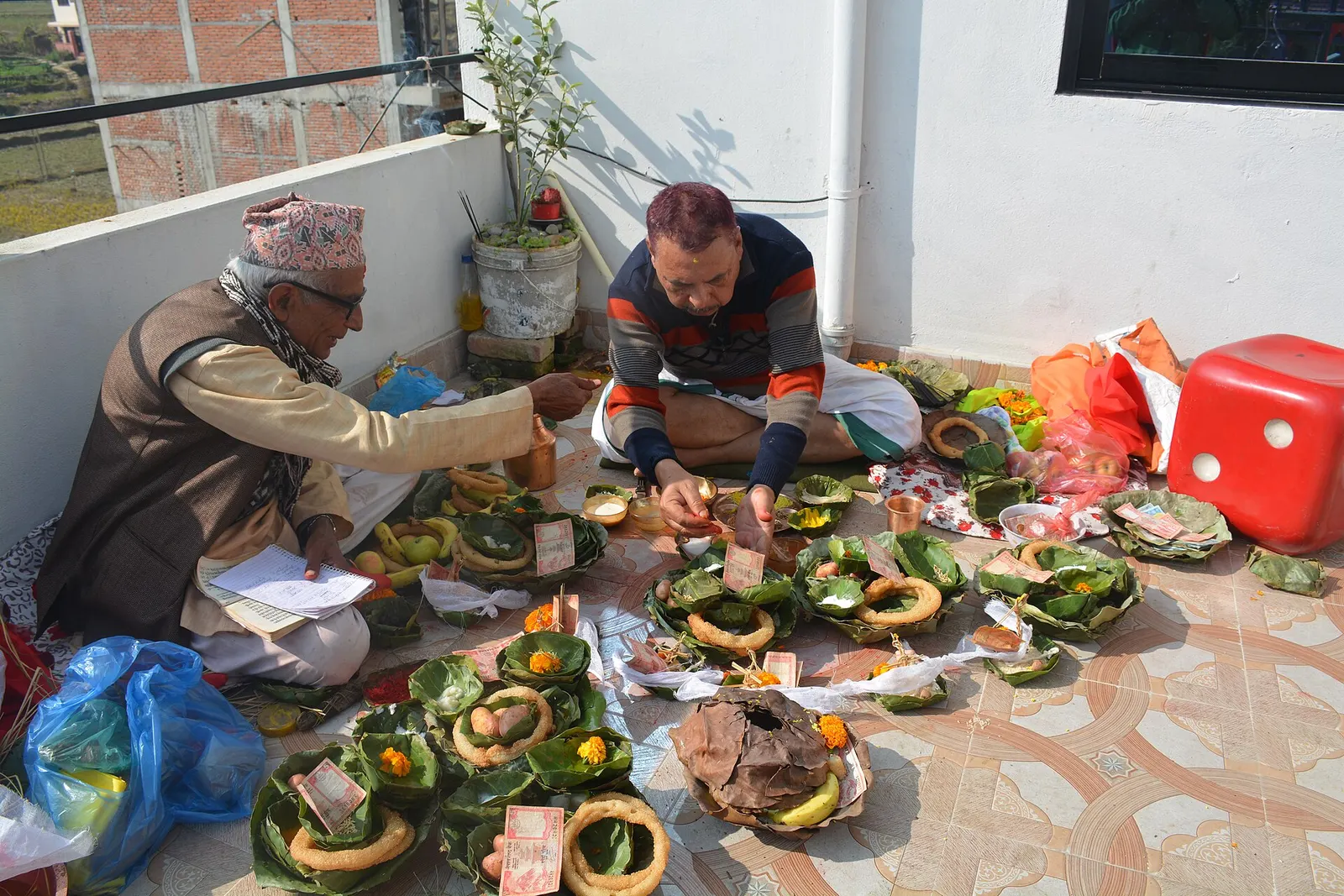
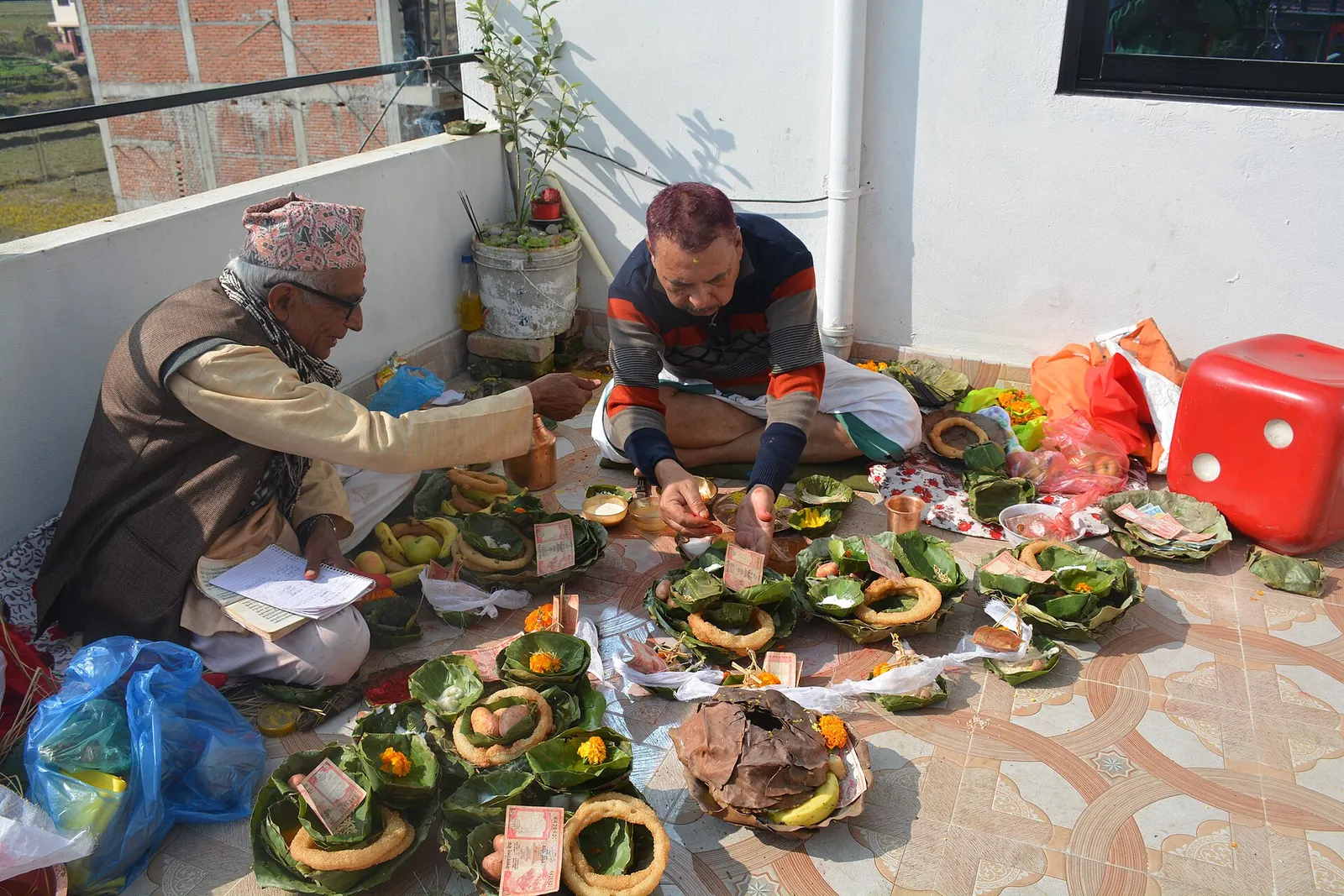
Shraadh is a ritual of remembrance and offering for someone who has died. For a parent, it's performed each year on the anniversary of their passing, counted by tithi (lunar day) rather than the calendar date, and again during Pitru Paksha. A pandit invokes your parent by name and gotra, offers Tarpan (water with black sesame) and often Pind Daan (rice-ball offerings), and completes rites meant to give their soul continued peace.
That's the mechanical description. What it really is, for most people, is a structured, shared way to keep showing up for a parent who's gone: a place for love that has nowhere else to go now that there's no one to phone on Sunday.
The first Shraadh after death is different
The first Shraadh after death carries more weight than the ones that follow. In many families, the first annual rite (often called barsi in North India) is performed on the first tithi anniversary of the death and is understood to mark the soul's joining of the ancestors. It usually brings together Shraadh, Tarpan and Pind Daan in one sitting.
Customs vary a great deal between regions and families: how the first year's monthly rites are handled, and whether Pitru Paksha Shraadh is observed before the first barsi or only after. There isn't one right answer. If you're unsure, ask an elder or a pandit from your family's tradition, and let their answer guide you rather than a website, including this one.
If you're simply too newly grieving to think about tithis and rituals, that's exactly the situation our coordinators are used to. They'll talk it through gently, as a conversation about what your family needs, not as a transaction.
How NRIs can perform last rites remotely
Let's be clear about what distance does and doesn't change. The cremation itself needs family present, and many of you will have already faced that journey, or the pain of not being able to make it. But the rites that follow, including the annual Shraadh, Tarpan and Pind Daan, can be performed by a pandit in India on your behalf while you take part live. That's how many NRIs perform these rites remotely.
In practice, it takes one conversation. You message an English-speaking coordinator on WhatsApp, at whatever hour suits you, and share:
- Your parent's full name
- The gotra, if known (if not, relatives in India often know, and the coordinator can help)
- The date or tithi of their passing
- Your own name and time zone
The coordinator confirms the tithi and the pronunciation of every name with you. A pandit performs the ritual on the ghats of Gaya or Ujjain (near Mahakaleshwar), whichever you choose, and you watch it live wherever you are. A digital certificate follows the same day.
You don't need to know the ritual sequence yourself; the pandit knows it. Your part is to be present, and to hear your parent's name spoken.
Timing, from Denver to Glasgow
India is 11 hours 30 minutes ahead of Denver (Mountain Daylight Time), so a morning ritual in Ujjain usually arrives in Denver the evening before. Glasgow is closer: 4 hours 30 minutes behind India during British Summer Time, so the same ritual lands in the early hours of the morning. Tell the coordinator what you can manage; slots are arranged around your time zone. For country-specific help, see the USA and UK pages on our NRI hub.
Shraadh puja online booking: what it costs and what's included
If it helps to know the practical details now, even if you aren't ready to act on them: Shraadh puja online booking on DevPravas is listed from ₹5,100 for the Shraadh / Pitru Paksha puja, or ₹6,100 with live stream. Pind Daan and Pitru Tarpan are also listed separately on the pujas page. You can reschedule at no charge until sankalp preparations begin, which matters when grief makes plans hard to keep. And if you'd like the anniversary taken care of every year, the Festival Care plan described on our NRI page includes death-anniversary Shraadh, so remembering the date becomes our job, not yours.
What you might feel, watching
We won't promise you a particular experience, because grief doesn't take instructions. Some people find the live stream unexpectedly steadying: something concrete, happening in real time, for their parent, when so much else feels shapeless. Others find it hits harder than expected. Both are normal. There's no wrong way to feel while a pandit speaks your mother's or father's name into a mantra from thousands of miles away.
Families who've done this before you often say the same thing: it felt like doing something, at a time when grief makes everything else feel like waiting.
Pitru paksha me shraadh kaise karein, NRI families ask
Many families search the Hindi phrase pitru paksha me shraadh kaise karein NRI, "how do I perform Shraadh during Pitru Paksha while living abroad?" If Pitru Paksha is on your mind right now, how to book your family's Shraadh from anywhere covers this year's dates, and who can perform Shraadh answers questions about daughters, siblings and who "should" do it. For the US context, see can you do Shraadh living in the USA.
FAQ
When should the first Shraadh be performed after a parent's death?
In many families, the first annual Shraadh, often called barsi, is performed on the first tithi anniversary of the death, with other rites in the first year according to family custom. Traditions vary, so ask an elder or pandit from your community. A coordinator can calculate the tithi for you when you book the Shraadh puja.
How is the Shraadh date for a father's or mother's anniversary calculated?
By the tithi, the lunar day of death, not the English date, so it moves each year on the Gregorian calendar. If you know only the English date, a pandit can find the tithi. When you book a Shraadh puja for father mother anniversary dates, devpravas.in coordinators confirm the tithi first; see our 2026 tithi calendar.
I don't know my parent's gotra. Can we still perform Shraadh?
Yes. Relatives in India often know it, and a coordinator can help you trace it. Where it truly can't be found, pandits have accepted ways to proceed, commonly using Kashyap gotra, so it shouldn't hold up the ritual. Our guide on how to find your family gotra explains the options gently.
Is it disrespectful to take part in Shraadh over video instead of being there?
No. What the tradition emphasises is that the ritual is performed correctly, by a qualified pandit, on the right tithi, with your parent's name and gotra invoked with full intention. Watching live and joining in the sankalp is a sincere way to fulfil that duty. Our NRI page explains how families abroad take part.
Can a daughter perform Shraadh for her mother or father?
In many families today, yes, especially when there's no son or he can't take part, and several scriptural traditions support it. Practice varies by community, so a pandit can guide you on the correct process. Our FAQs on who can perform Shraadh cover this in detail.
When you're ready, we're here
There's no rush, and no judgment about how long it took you to reach this page. When you're ready to arrange a Shraadh puja for father mother anniversary rites, whether it's the first year or the tenth, message us on WhatsApp and a coordinator will talk it through at your pace. Or, whenever it feels right, you can book online.
Share this article
Found this useful? Pass it on to a family member who is weighing the same question.