Sarva Pitru Amavasya 2026: The Most Important Shraadh Day of the Year
By DevPravas Editorial Team · · 7 min read
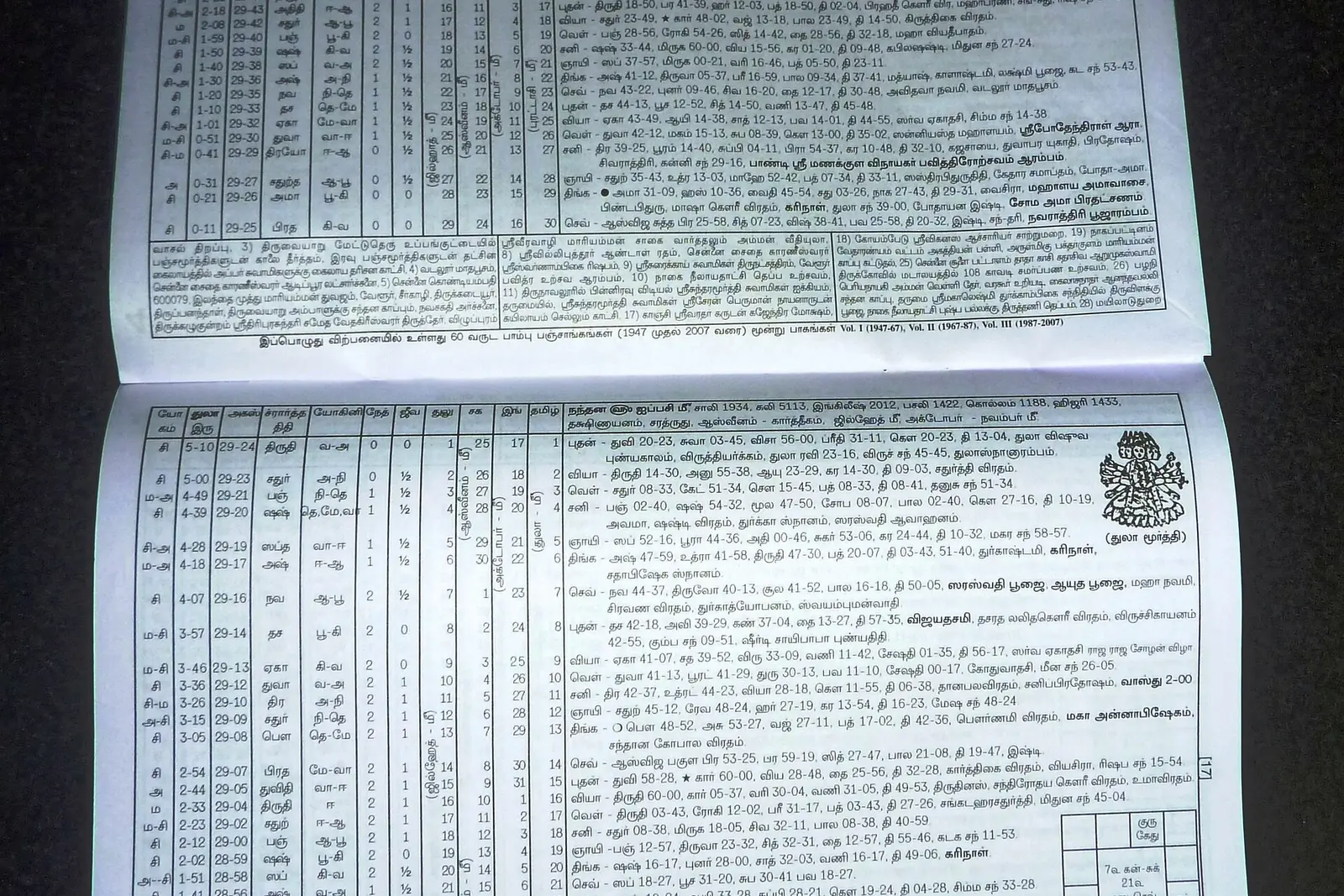
Every family that observes Pitru Paksha eventually runs into the same quiet problem: nobody remembers the exact tithi. A grandfather passed decades ago, before anyone thought to note the lunar date rather than the calendar one. A great-uncle died far from home, and the family never worked out which tithi it fell on. Pitru Paksha is built around precision, with each day assigned to ancestors who died on the matching tithi, yet almost every family has someone it cannot place on that calendar with confidence.
Sarva Pitru Amavasya 2026, which falls on Saturday, October 10, exists for exactly this problem.
What Sarva Pitru Amavasya is
Sarva Pitru Amavasya, "the new moon of all ancestors", is the final day of Pitru Paksha. In 2026 the fortnight opens with Purnima Shraddh on September 26, runs through the tithis from Pratipada on September 27, and closes on October 10. On this day Shraadh is offered for all ancestors, whatever tithi they died on.
If you already performed Shraadh for your father on his tithi earlier in the fortnight, this day is still worth observing as a collective act of remembrance. If you do not know a date at all, whether for a distant relative, an ancestor several generations back, or someone whose date was simply lost, this is the day tradition treats as universally appropriate. That is why priests and elders often call it the single most important day of the fortnight: it is the day nobody is left out.
Mahalaya Amavasya Shraadh: one day, two names
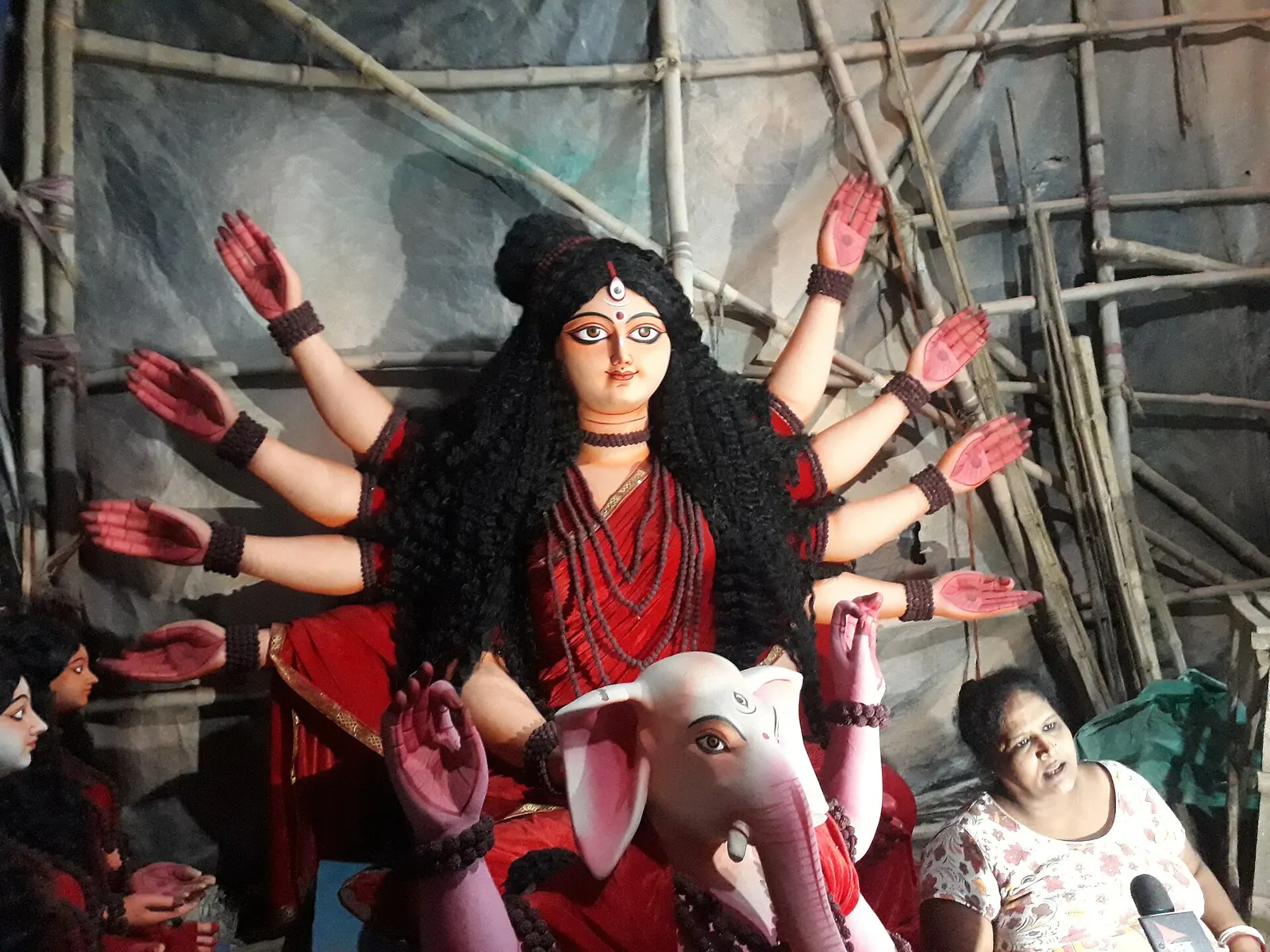
In much of India this same day is called Mahalaya Amavasya, and the rites are the same. In Bengal and among Bengali families worldwide, Mahalaya also marks the invocation of Durga and the start of Devi Paksha, so the morning of tarpan leads straight into festival preparations. In South India, the whole fortnight is often called Mahalaya Paksha. Whatever name your family uses, the Mahalaya Amavasya Shraadh is the same collective offering to the ancestors.
Shraadh for unknown tithi: who this day is for
A few situations make Sarva Pitru Amavasya especially relevant:
- Families who are uncertain of an ancestor's exact tithi, especially across generations where records were not kept.
- Anyone who missed their assigned tithi earlier in the fortnight because of travel, illness, or not realising the date had arrived.
- Families who want to honour all their ancestors together in one ceremony.
- Households observing Shraadh for the first time after a recent loss, still learning how the calendar works.
- Relatives whose death tithi falls on Chaturdashi, where many traditions reserve that day for those who died unnaturally and move the regular Shraadh to Amavasya.
If any of these describe your situation, build your plan around October 10 rather than trying to reconstruct a tithi from fragments of memory.
What the ritual involves
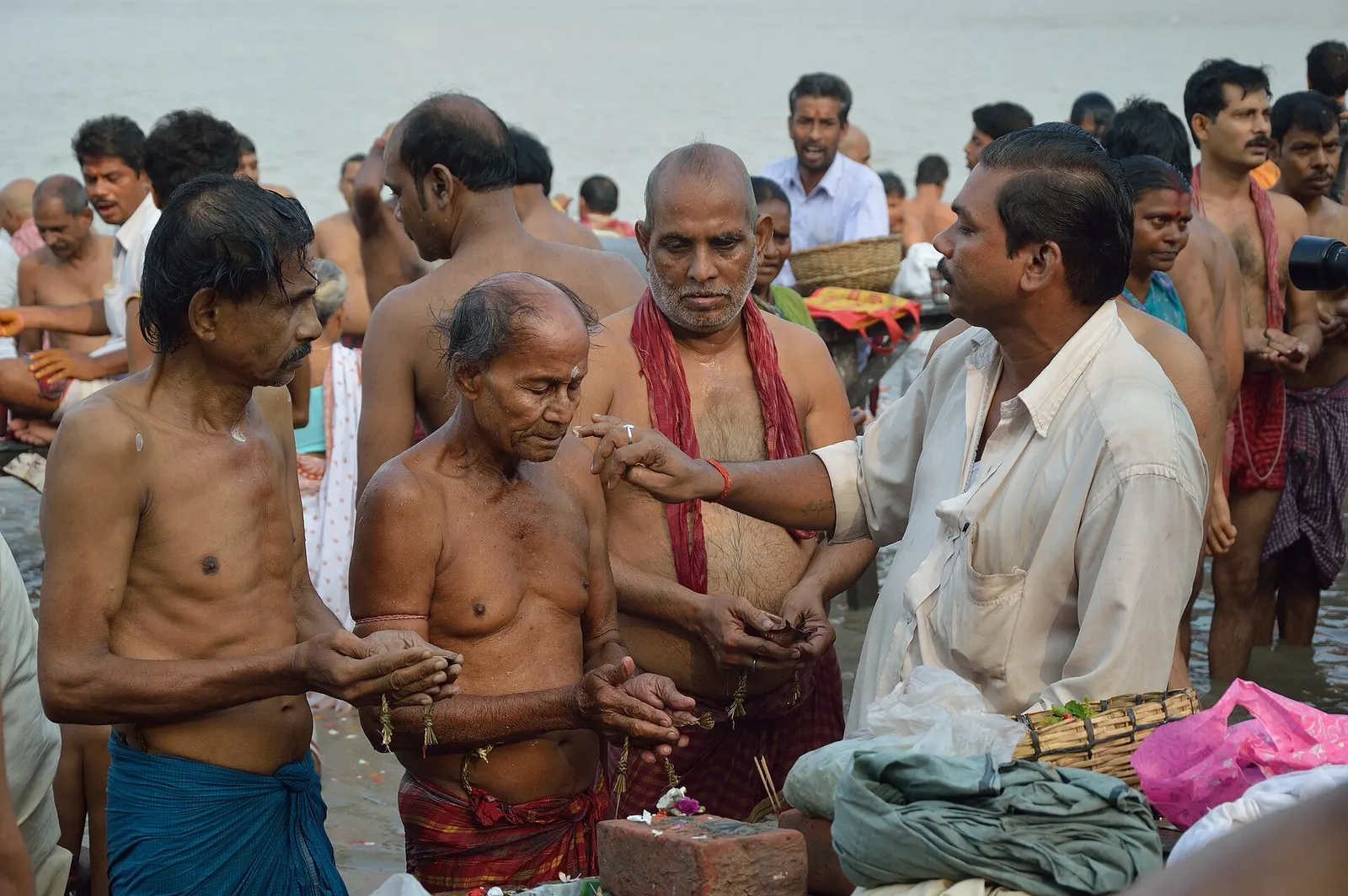
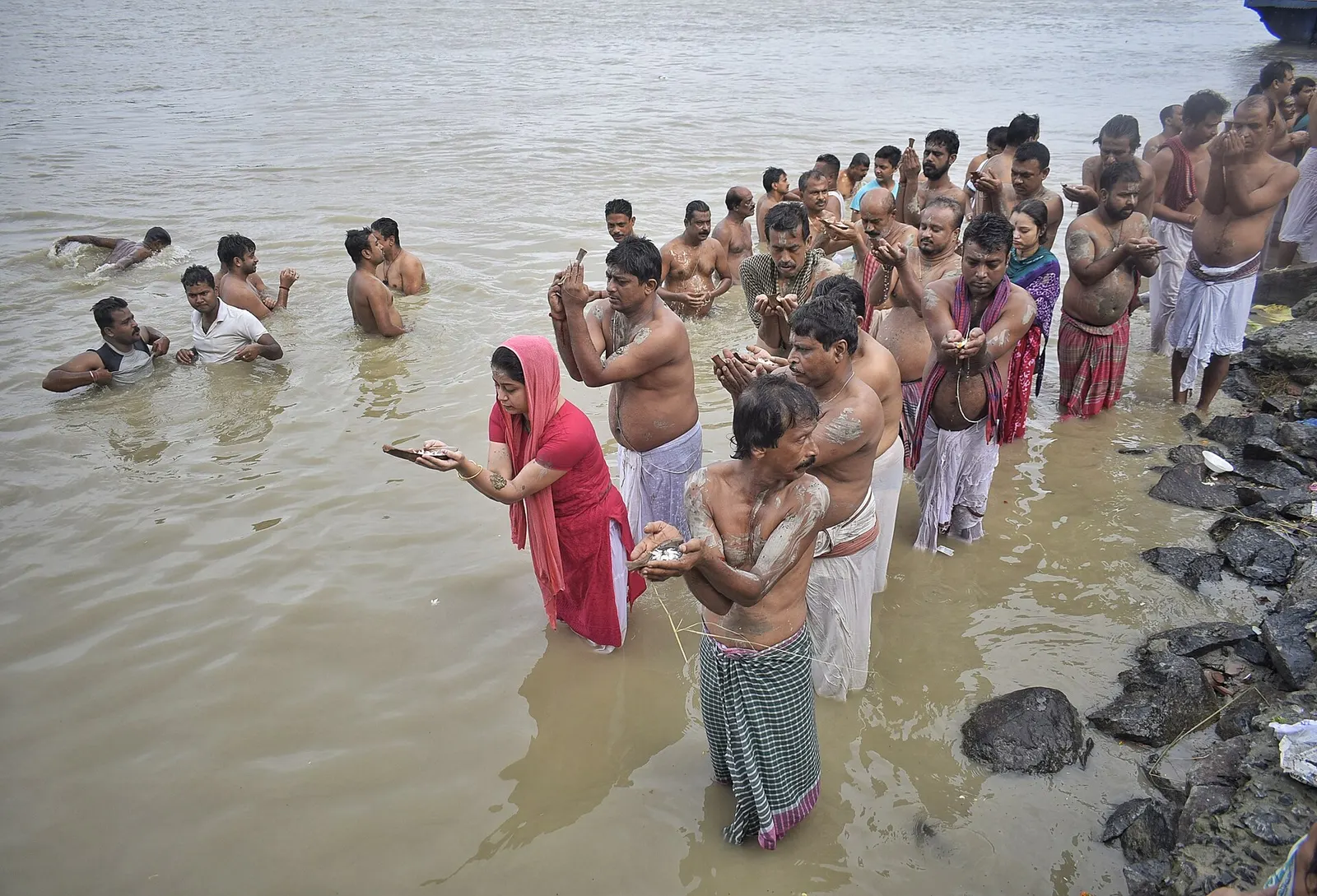
A Sarva Pitru Amavasya observance usually begins with a sankalp naming the person performing the rite, the family gotra and, where known, each ancestor. Tarpan follows, with water, black sesame and kusha grass offered while facing south, and many families add pind daan, balls of rice mixed with sesame and ghee. Where individual names are unknown, the invocation covers the lineage as a whole.
The traditional time is the aparahna, the early-afternoon part of the day; night-time rites are avoided. Many households also cook a simple sattvic meal without onion or garlic, set aside portions for a cow, a crow and a dog, and feed a Brahmin or someone in need in the ancestors' names. Feeding others is considered part of the observance itself, not an optional extra.
A day that also opens a new fortnight
There is a second layer to this date worth knowing. The very next day, October 11, is Ghatasthapana, the start of Sharad Navratri. Many households see the completion of ancestral rites on this Amavasya as clearing the ground before the year's biggest festive stretch: Navratri, Dussehra on October 20, and then Diwali. Honouring the pitrs fully on this day, rather than leaving it unfinished, is one reason elders insist on getting the date right.
Getting the date right matters most
Of all the practical mistakes around Pitru Paksha, the most common is simply missing the date. Pitru Paksha moves with the lunar calendar, and in a year with an Adhik Maas (an extra lunar month), as 2026 has, it falls later than people expect. Sarva Pitru Amavasya 2026 is Saturday, October 10, according to Drik Panchang and other standard panchangs. Mark it now, and confirm the aparahna window for your city nearer the day.
Pitru paksha me shraadh kaise karein NRI: doing it from anywhere
Families outside the traditional pilgrimage cities face the same question as those abroad. In Varanasi, a family might walk down to the ghats at midday. In Orlando, the same rite means either a simplified home observance or a pandit performing it at a sacred site while the family watches. The Hindi search pitru paksha me shraadh kaise karein NRI ("how should an NRI perform Shraadh during Pitru Paksha") reflects how common that second path has become.
A Shraadh puja online booking follows a simple pattern: share the names you know, your gotra and the date, approve the pandit's voice note pronouncing them, then join the live rite. On DevPravas, the Shraadh / Pitru Paksha puja is performed on the ghats of Gaya or Ujjain, starting at ₹5,100; live rites from Varanasi are coming soon. Our NRI hub explains timing for each country. Aparahna in India falls in the middle of the night in Orlando, so families there often watch the live stream on the Friday night and replay the recording later.
Frequently asked questions about Sarva Pitru Amavasya 2026
When is Sarva Pitru Amavasya 2026?
It falls on Saturday, October 10, the final day of Pitru Paksha, which began with Purnima Shraddh on September 26. Rites are traditionally performed in the aparahna, the early-afternoon window in India, and exact tithi timings vary slightly by city. The Pitru Paksha Shraadh Dates 2026 calendar lists every tithi of the fortnight.
Can Shraadh be done for all ancestors on Sarva Pitru Amavasya?
Yes, that is its purpose. One Shraadh on this day honours every ancestor, known and unknown, including those whose tithi was forgotten or missed earlier. Families often name each ancestor they remember and add a collective invocation for the rest of the lineage. See our Shraadh / Pitru Paksha puja for how the rite is performed live.
What should be done on Sarva Pitru Amavasya at home?
A simple home observance includes a sankalp, tarpan with water and black sesame while facing south, a sattvic meal cooked without onion or garlic, portions set aside for a cow and crows, and food or charity given to someone in need. If you want pind daan and full mantras, a pandit is usually involved; our Pind Daan page explains the rite.
What should not be done on Sarva Pitru Amavasya?
Common customs advise avoiding non-vegetarian food, alcohol, onion and garlic, and not starting celebrations such as weddings, housewarmings or new ventures on this day. Many families also avoid haircuts and new purchases. Customs vary by region, so follow your elders where they differ. Tarpan and Pind Daan: What's the Difference? explains the rites themselves.
Can I book Sarva Pitru Amavasya Shraadh online from the USA or Canada?
Yes. Families abroad commonly book a pandit to perform the rite at a sacred site and join by live video. On devpravas.in, the Shraadh is performed on the ghats of Gaya or Ujjain, your names are read aloud in the sankalp, and the recording stays available for 30 days. Our NRI USA page explains the overnight timing.
Related reading
To understand how tarpan and pind daan differ, read Tarpan and Pind Daan: What's the Difference?. For the Bengali side of the same date, see Mahalaya 2026: The Day Pitru Paksha Ends and Devi Paksha Begins. You can browse every ritual we perform on the puja catalogue.
Book your Sarva Pitru Amavasya rite
Whether you know your ancestor's exact tithi or have never been sure, Sarva Pitru Amavasya 2026 is the day to make sure no one is left out. Message us on WhatsApp with your family's gotra and the names you remember, or reserve a slot at book.html before Pitru Paksha closes on October 10.
Share this article
Found this useful? Pass it on to a family member who is weighing the same question.