Mahalaya 2026 Date: The Day Pitru Paksha Ends and Devi Paksha Begins
By DevPravas Editorial Team · · 6 min read
At 6:30 on a Friday evening in Boston, a Bengali father opens a radio app and searches for a stream from Kolkata. Back home it is 4 AM on Saturday, the hour at which Birendra Krishna Bhadra's Mahishasura Mardini has opened Mahalaya morning for Bengali households for generations. His daughter, half-listening over homework, does not follow the Sanskrit yet, but she knows the sound means something is beginning. What she does not yet know is that the same morning is also an ending.
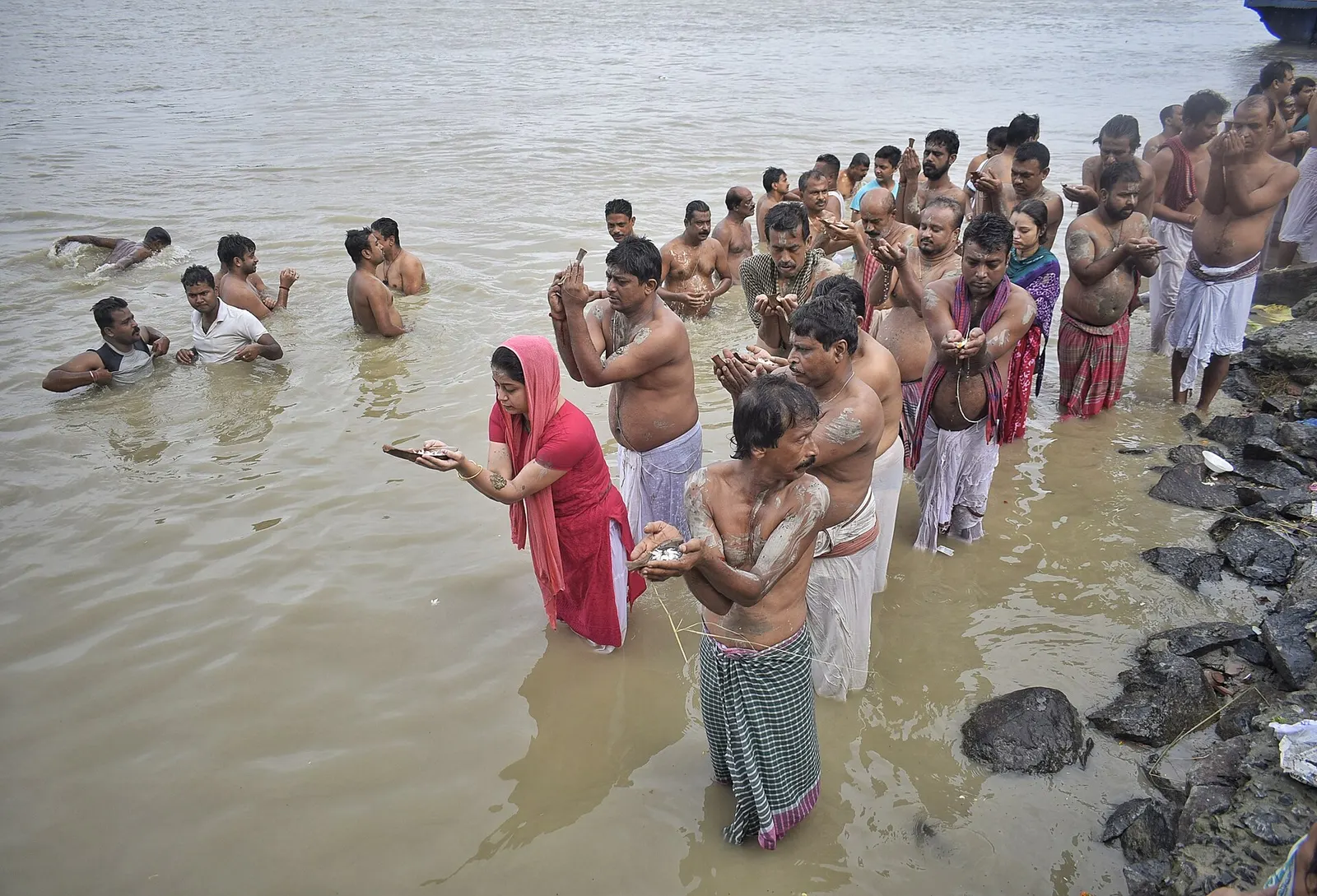
The Mahalaya 2026 date is Saturday, October 10. It coincides with Sarva Pitru Amavasya, also called Mahalaya Amavasya, the last and most solemn day of Pitru Paksha, the fortnight devoted to ancestors. In one 24-hour span it is both a closing and an opening: tarpan is offered one final time for all ancestors, and Devi Paksha, the bright fortnight leading into Durga Puja, begins.
Mahalaya 2026 date: why one day carries both meanings
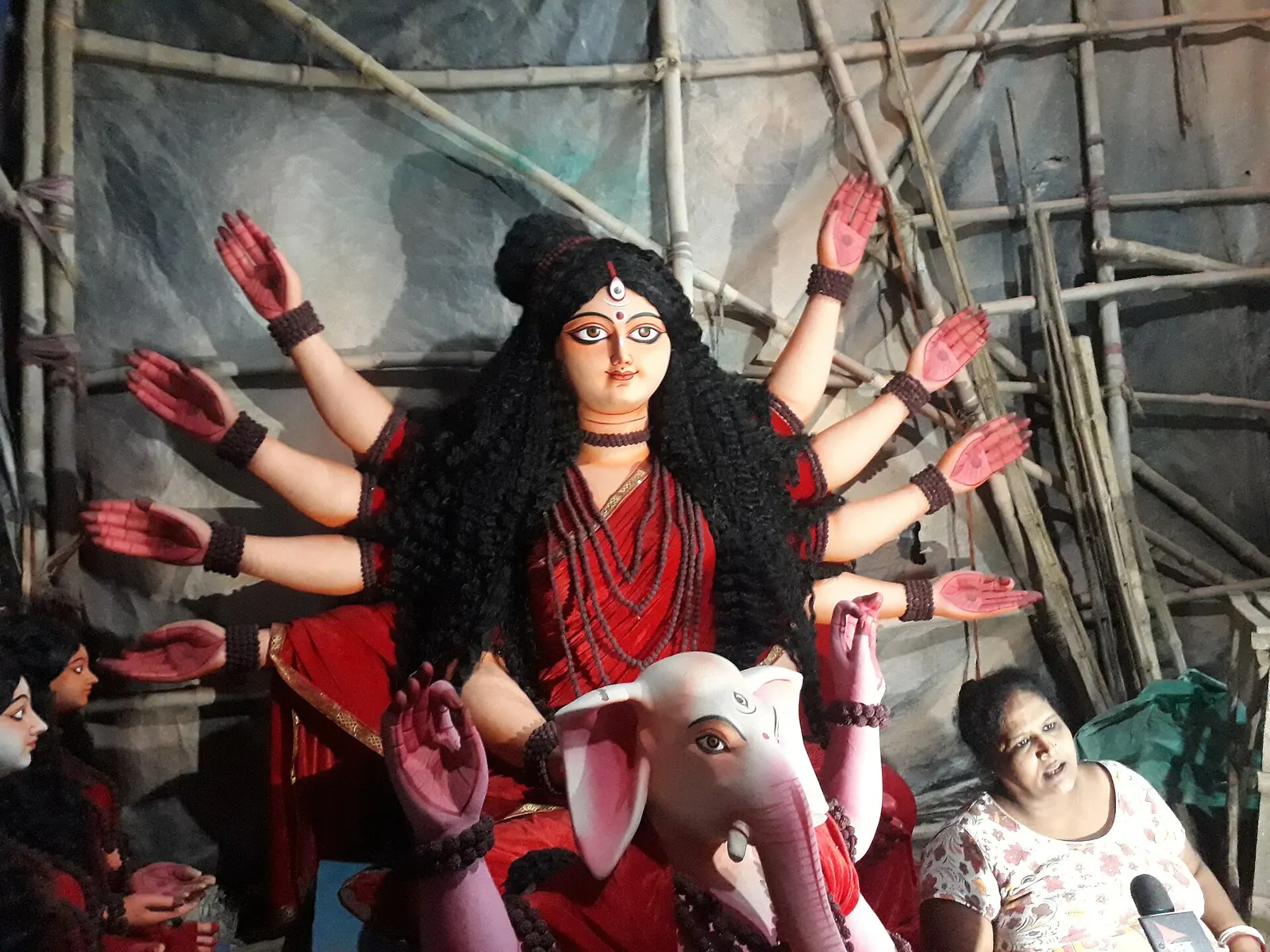
For most of the Hindu calendar, mourning-adjacent rites and festive ones are kept weeks apart. Mahalaya folds them into a single morning. In 2026 an Adhik Maas (extra lunar month) pushed the whole season later, so Mahalaya arrives almost three weeks later in the calendar than it did in 2025. Bengali tradition treats this dual nature most explicitly: families perform tarpan for their pitrs at the river, while the recitation of the Chandi and Mahishasura Mardini invokes the goddess's descent to earth.
The logic is not a quirk of the calendar. Ancestors are honoured and, in a sense, bid farewell on this final Amavasya, and only once that duty is complete does the household turn to welcoming the Devi. Grief and anticipation share the same morning because they are understood as connected acts, not competing ones.
Mahalaya Amavasya 2026: remembering every ancestor
Mahalaya Amavasya 2026 is the day tradition sets aside for any ancestor whose exact tithi of death is unknown, was forgotten, or was missed earlier in the fortnight. Offering tarpan, pind daan or a full Shraadh on this date is considered valid for every ancestor, which is why it is often called the most important Shraadh day of the year.
For families abroad this matters more than it might seem. Records get lost across generations and continents; a grandparent may have passed before anyone noted the lunar date. If nothing else is certain, October 10 is the date to anchor your rites to. The traditional time for pitru rites is the aparahna, the early-afternoon part of the day in India, so plan around Indian time, not your local clock. Sarva Pitru Amavasya: The Most Important Shraadh Day of the Year covers the ritual in detail.
Devi Paksha begins: what changes next
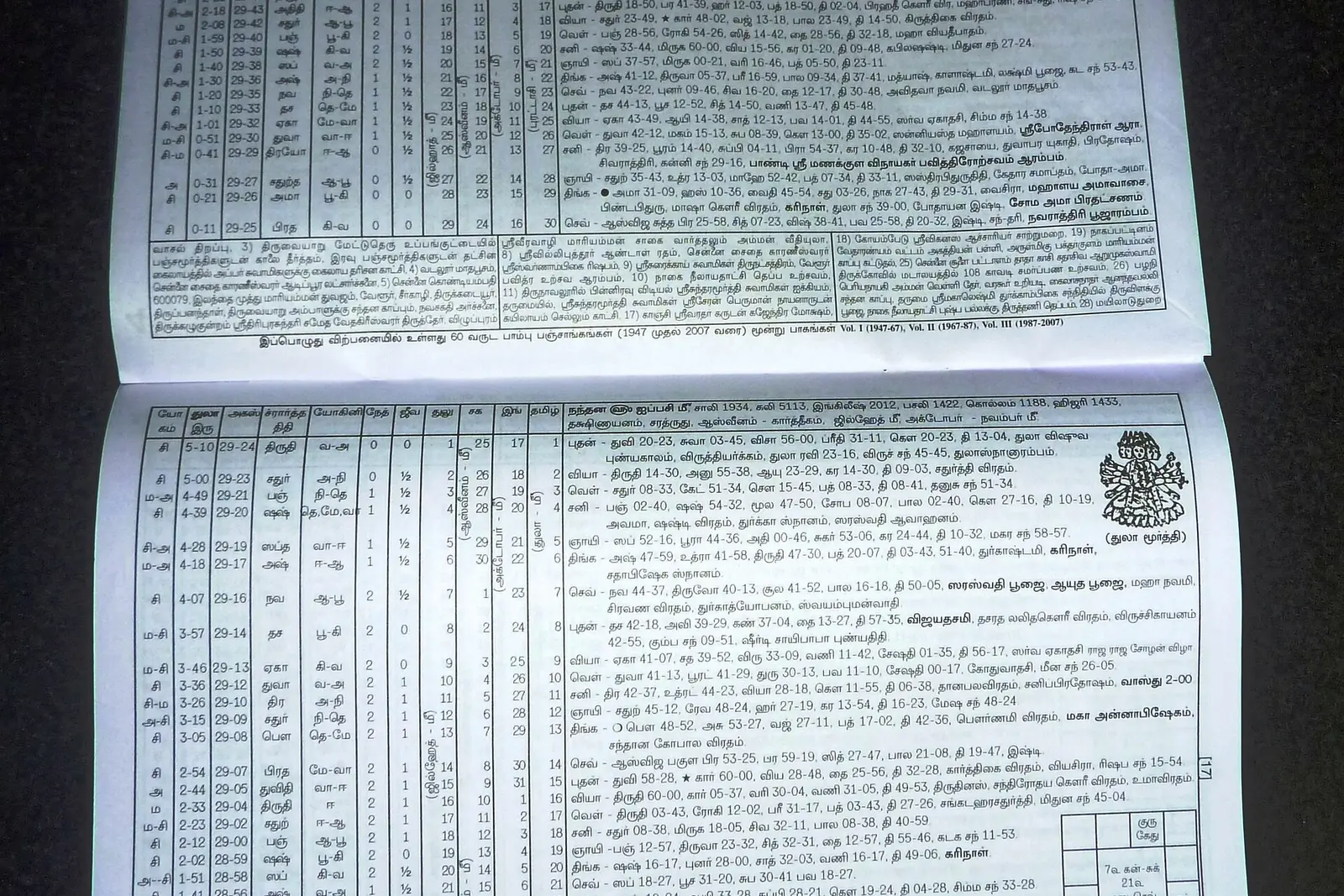
The day after Mahalaya, the mood shifts entirely. Sharad Navratri 2026 begins with Ghatasthapana on Sunday, October 11. Pandals in Kolkata, and in Bengali communities worldwide, move into final preparations. According to Drik Panchang's 2026 Durga Puja calendar, the main days fall as follows:
- Maha Shashthi: Friday, October 16 (Bodhon, the awakening of the goddess)
- Maha Saptami: Saturday, October 17
- Maha Ashtami: Sunday, October 18 (Kumari Puja and Sandhi Puja)
- Maha Navami: Monday, October 19
- Vijaya Dashami: Tuesday, October 20 (Sindoor Khela and visarjan)
Local panchangs can differ by a day, especially outside India, so confirm with your community's puja committee.
The broadcast that shaped a community's morning
It is worth understanding why one old radio programme carries so much weight. Birendra Krishna Bhadra's Mahishasura Mardini was first broadcast live on All India Radio in the early 1930s; the recording families play today was made in 1966. When the station replaced it with a new programme in 1976, the public outcry was so strong that the original was restored the same year. Bhadra's voice has remained the sound of Mahalaya morning ever since, in Kolkata and far beyond it.
For a diaspora family, streaming that same broadcast from a phone in Boston or London is a small act of continuity. It keeps the household tethered to the sound their parents and grandparents woke to, even when nothing else about the surroundings matches.
প্রবাসে দুর্গা পূজা: Durga Puja 2026 abroad
প্রবাসে দুর্গা পূজা (probashe Durga Puja, "Durga Puja abroad") has become a tradition of its own. Community pujas in Boston, Toronto, London and Sydney are usually held in rented school halls and community centres, and many shift the main celebrations to the nearest weekend so working families can attend. For Durga Puja 2026 abroad, that means some committees will align with the October 16–20 tithis, while others celebrate a week later on a Friday-to-Sunday schedule.
What is harder to recreate abroad is the tarpan itself: a rite meant for flowing water, with a pandit who knows the invocation, on the correct tithi. That is where a live rite helps. On DevPravas, Pitru Tarpan and Pind Daan are performed on the ghats of Gaya or Ujjain while you watch on a video call, your ancestors' names spoken in the sankalp. For the Devi side of the season, a Durga Saptashati Path, the full 700-verse Chandi recitation, is a natural way to begin Devi Paksha.
Families in Kolkata who cannot get to the Ganga that morning, whether because of age, illness or work, use the same arrangement. If you are planning from the US, our NRI USA page explains the time difference and prasad shipping.
Frequently asked questions about Mahalaya 2026
What is the Mahalaya 2026 date?
Mahalaya falls on Saturday, October 10, 2026. It coincides with Sarva Pitru Amavasya, the final day of Pitru Paksha, and the next day, October 11, is Ghatasthapana, the first day of Sharad Navratri. Tithi timings can shift slightly by location. For every Shraadh date this season, see the Pitru Paksha Shraadh Dates 2026: Full Tithi Calendar.
Is Mahalaya the same as Durga Puja?
No. Mahalaya ends Pitru Paksha and begins Devi Paksha, a solemn, invocatory day on which the goddess is called to earth. Durga Puja's main days, Shashthi to Dashami, fall on October 16–20 in 2026. Sharad Navratri 2026 Abroad: How USA, UK, and Canada Families Celebrate picks up the story from there.
What is done on Mahalaya?
Families offer tarpan, water with black sesame and kusha grass, for their ancestors, often with pind daan or a full Shraadh, ideally in the early afternoon in India. Many also give food or charity in the ancestors' names. Bengali households listen to Mahishasura Mardini before dawn. You can book a live Pitru Tarpan if you cannot reach a river.
Is it right to say "Happy Mahalaya"?
Many families and priests prefer "Shubho Mahalaya" or a simple greeting, because the morning begins with tarpan for the departed, while others see the goddess's invocation as reason for joy. Both views are sincerely held. If your household is in its first year of mourning, a quieter acknowledgement is usually kinder. Our Shraadh page explains the ancestral side.
Can I offer Mahalaya tarpan from abroad?
Yes. Share your ancestors' names, gotra and city, and a pandit performs tarpan at a sacred site while you watch live. On devpravas.in, Mahalaya tarpan and pind daan are performed on the ghats of Gaya or Ujjain, with a certificate afterwards and an Aashirwad prasad box shipped to your home. Our NRI hub explains timing by country.
Related reading
For the complete ritual side of this date, see Sarva Pitru Amavasya: The Most Important Shraadh Day of the Year. For the nine days that follow, Sharad Navratri 2026: Dates, Nine Days, Nine Devis Explained walks through each Devi. Our UK NRI page and the full puja catalogue cover everything else.
Book your Mahalaya tarpan
Now that you know the Mahalaya 2026 date, the practical question is whether your ancestors' rites are arranged. October 10 is a fixed date and slots fill quickly this close to Sarva Pitru Amavasya, so message us on WhatsApp today with your ancestors' names and gotra, or book directly at book.html.
Share this article
Found this useful? Pass it on to a family member who is weighing the same question.