Sharad Navratri 2026 Dates: Nine Days, Nine Devis, Colours and Puja Vidhi
By DevPravas Editorial Team · · 7 min read
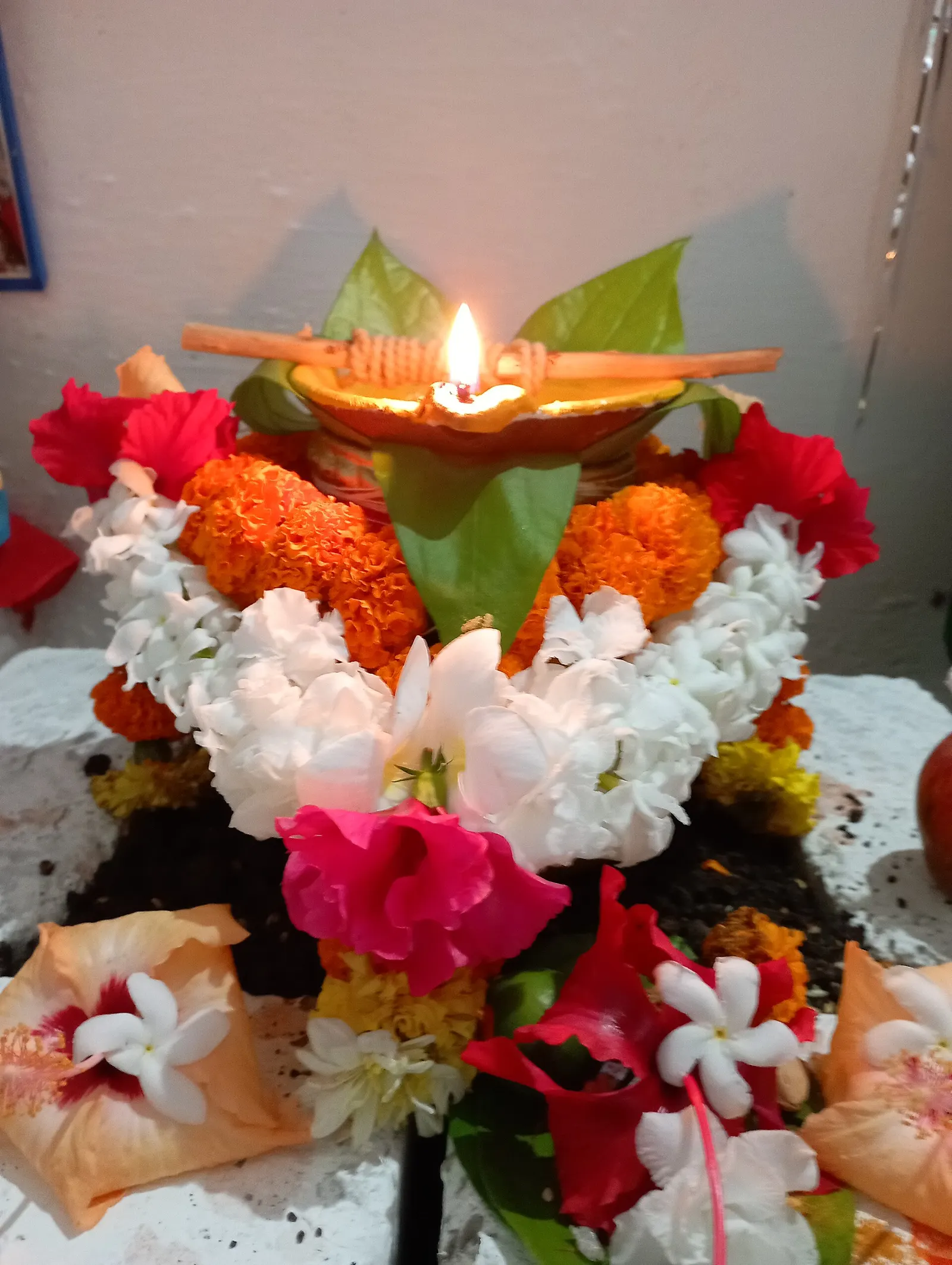
Every year around this time, a woman in an Ahmedabad pol house takes down the brass kalash her mother used, wipes the dust off a small framed picture of Amba Mata, and starts a countdown that has nothing to do with her phone calendar. Nine days. Nine forms of the goddess. One festival that reorganises the household: what gets cooked, who fasts, and which evenings are spent in the garba circle instead of in front of the TV.
If you want the correct Sharad Navratri 2026 dates before you plan around them, or want to know why Navratri runs nine nights and which Devi is honoured on which day, here is the full picture.
Sharad Navratri 2026 dates at a glance
Sharad Navratri 2026 begins with Ghatasthapana on Sunday, October 11 and ends with Maha Navami on Monday, October 19. Vijayadashami, also called Dussehra, falls on Tuesday, October 20. The festival comes later than usual this year because 2026 includes an Adhik Maas, an extra lunar month.
Ghatasthapana, literally "establishing the pot", opens the festival. A kalash representing the Devi's presence is installed at home, often beside a small bed of soil sown with barley that sprouts by the festival's end as a sign of growth. Panchang listings for New Delhi give the main Ghatasthapana muhurat on October 11 as roughly 6:19 AM to 10:12 AM, with the Abhijit muhurat around midday as a fallback. Timings vary by city, so check your local panchang.
Why Ashtami and Navami overlap this year
Because lunar days do not line up neatly with solar days, a tithi is occasionally skipped or stretched. In 2026, Drik Panchang's New Delhi calendar places both Durga Ashtami and Maha Navami on Monday, October 19, with Sandhi Puja that morning, while Bengali Durga Puja calendars observe Maha Ashtami on Sunday, October 18. Neither is wrong; they follow different rules for which tithi prevails. Follow your family's panchang, or ask your pandit.
The nine devis of Navratri, day by day
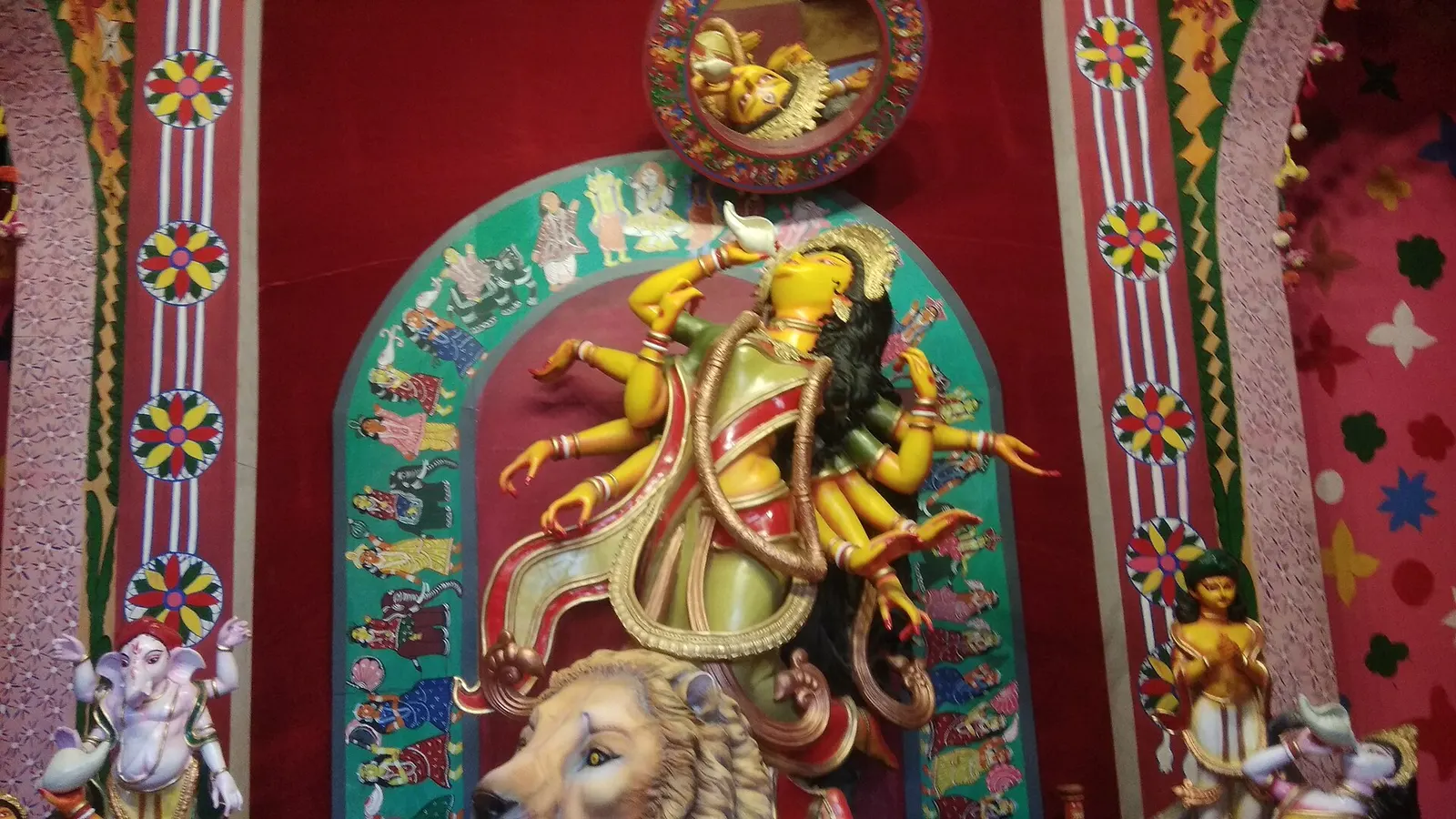
Sharad Navratri honours the Navadurga, the nine forms of the goddess, one each night. The colours listed are the popular Navratri colours 2026 sequence, which is set by the weekday each festival day falls on; the custom began in Maharashtra and has spread widely.
- Day 1, Sunday, October 11: Shailaputri (orange). "Daughter of the mountain", the first form, representing steadiness and new beginnings.
- Day 2, Monday, October 12: Brahmacharini (white). The ascetic form, associated with discipline, penance and inner strength.
- Day 3, Tuesday, October 13: Chandraghanta (red). The warrior form bearing a crescent moon, invoked for courage and freedom from fear.
- Day 4, Wednesday, October 14: Kushmanda (royal blue). Believed to have created the universe with her smile; linked to vitality and creative energy.
- Day 5, Thursday, October 15: Skandamata (yellow). Mother of Skanda (Kartikeya), representing a mother's strength and protection.
- Day 6, Friday, October 16: Katyayani (green). The fierce warrior form, widely prayed to for marriage and harmonious matches.
- Day 7, Saturday, October 17: Kalaratri (grey). The most formidable form, worshipped for destroying negativity and fear.
- Day 8, Sunday, October 18: Mahagauri (purple). Purity, peace and forgiveness; often marked with Kanya Puja, honouring young girls as forms of the Devi.
- Day 9, Monday, October 19: Siddhidatri (peacock green). The granter of spiritual attainment, honoured with Navami puja before Vijayadashami.
Ashtami and Navami are widely considered the most significant days, and many families break their fast only after the Navami puja.
Navratri puja vidhi: the ritual core
Popular culture can reduce Navratri to garba nights and colour-coordinated outfits, and there is nothing wrong with enjoying that; it is joyful. But the ritual core is a structured daily puja. A simple Navratri puja vidhi for home looks like this:
- Prepare the space. Clean the puja area and set up a raised platform with a red cloth and an image of the Devi.
- Ghatasthapana. Fill a kalash with water, add a coin, betel nut and rice, place mango leaves at the mouth and a coconut wrapped in red cloth on top. Sow barley in a clay tray beside it.
- Light the jyot. Many families keep an akhand jyot, a continuous lamp, burning for all nine days.
- Daily puja. Each morning or evening, offer flowers, incense, kumkum and bhog to the day's Devi, recite her mantra or part of the Durga Saptashati, and end with aarti.
- Kanya Puja on Ashtami or Navami: invite young girls, wash their feet, feed them and offer gifts.
- Havan and parana. Many households perform a havan on Navami and then break the fast.
- Vijayadashami. Offer the barley shoots, move or immerse the kalash, and celebrate the victory of good over evil.
Families who cannot keep the full sequence at home, whether because of travel, work, or not having a priest nearby who knows it, often arrange a live puja instead. On DevPravas, the Navratri Garba Puja is guided live from Ahmedabad; a Durga Saptashati Path in Ujjain is a popular choice for Ashtami; and the Katyayani Jaap Havan is often booked around the sixth day by families praying for a marriage.
What Vijayadashami marks
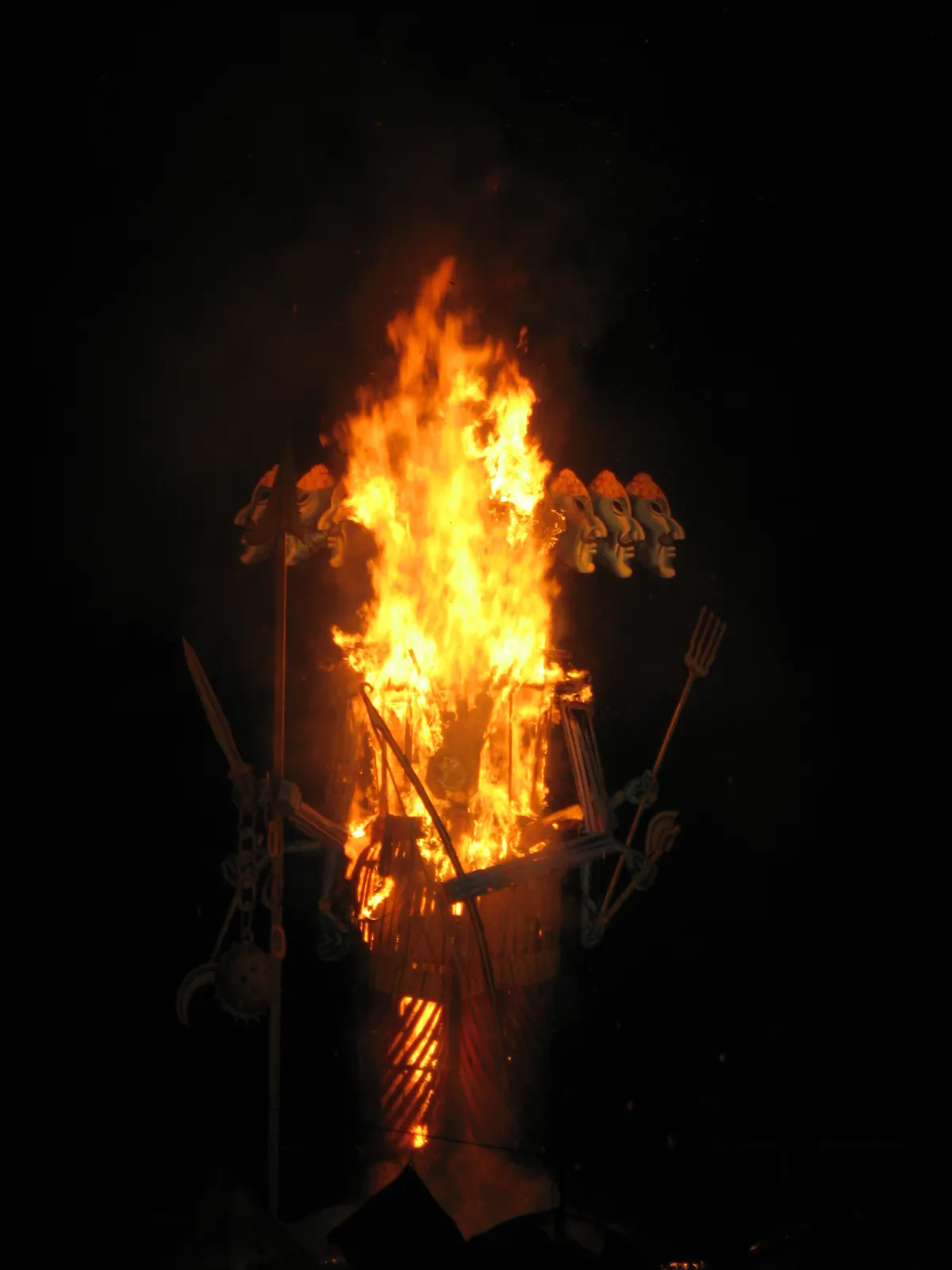
The tenth day marks Durga's victory over the buffalo demon Mahishasura, and in North India it is also celebrated with the burning of Ravana effigies for Rama's victory in the Ramayana: two stories converging on one day of triumph. For regional customs, see Dussehra and Vijayadashami: Meaning, Rituals, and Regional Variations.
How the festival looks from Jaipur to New Jersey
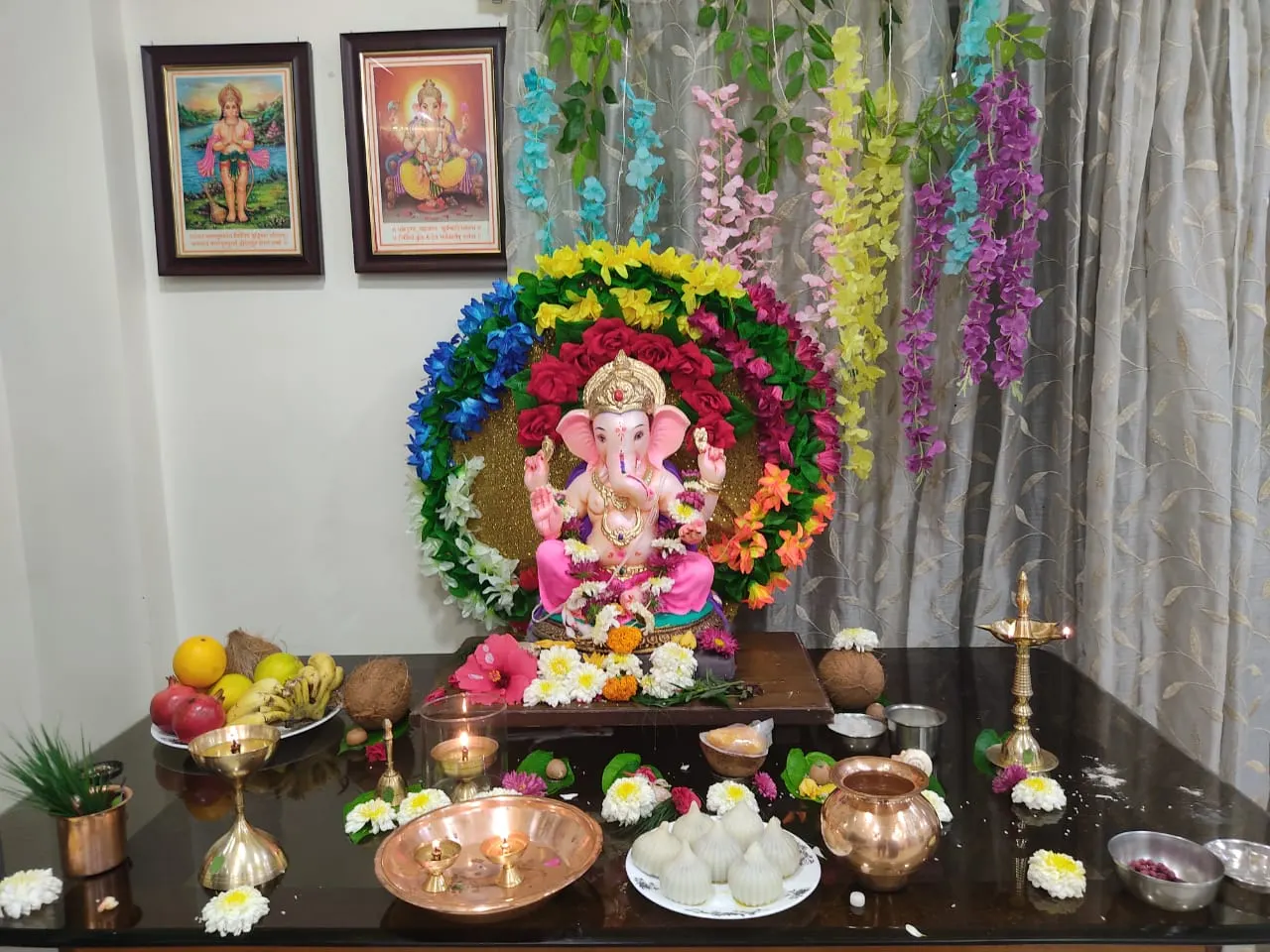
In Jaipur, the Navratri days bring long queues at the Shila Devi temple inside Amer Fort; in Ahmedabad, garba runs late into the night across the city. Abroad, the Gujarati phrase garba ane navratri puja USA ma ("garba and Navratri puja in the USA") sums up what diaspora families try to keep: both the dance and the ritual. Sharad Navratri 2026 Abroad looks at how families in the USA, UK and Canada manage it, and our NRI hub explains time zones for live pujas. For Maharashtrian households, Ganpati Sthapana and Navratri explains how the two festivals connect.
FAQ
When does Sharad Navratri 2026 start and end?
Sharad Navratri 2026 starts with Ghatasthapana on Sunday, October 11 and the nine nights end with Maha Navami on Monday, October 19. Dussehra, or Vijayadashami, follows on Tuesday, October 20. These Sharad Navratri 2026 dates follow Drik Panchang for New Delhi. Our Hindu festival puja calendar 2026 shows what comes next.
What are the Navratri colours 2026?
The popular sequence for 2026 is orange (October 11), white, red, royal blue, yellow, green, grey, purple, and peacock green (October 19). The colours follow the weekday each festival day falls on, a custom that began in Maharashtra. Wearing them is a joyful tradition, not a ritual requirement. See our Navratri Garba Puja page for the ritual side.
Which goddess is worshipped on each day of Navratri?
In order: Shailaputri, Brahmacharini, Chandraghanta, Kushmanda, Skandamata, Katyayani, Kalaratri, Mahagauri and Siddhidatri, together called the Navadurga. Each form represents a different quality of the goddess, from steadiness to spiritual attainment. The Durga Saptashati Path is a traditional recitation honouring the Devi across these days.
What is the Ghatasthapana muhurat for 2026?
Panchang listings for New Delhi give the main muhurat on Sunday, October 11 as roughly 6:19 AM to 10:12 AM, with the Abhijit muhurat around midday as a fallback. Exact timings vary by city and country, so check your local panchang. Families abroad joining a live Ghatasthapana can find time-zone guidance on our NRI hub.
Why are Ashtami and Navami on the same day in 2026?
Lunar tithis do not align neatly with solar days, so one tithi can overlap two sunrises or none. Drik Panchang's New Delhi calendar places both Durga Ashtami and Maha Navami on October 19, while Bengali Durga Puja calendars mark Maha Ashtami on October 18. On devpravas.in, your coordinator will confirm which date your chosen puja follows before you book.
Do I need to fast all nine days of Navratri?
No. Fasting varies by region, family tradition and health. Some observe all nine days, many fast only on the first and last days or on Ashtami, and some do not fast at all while still performing the daily puja. There is no single correct version. Garba Nights and Ghar Ki Puja discusses balancing observance with daily life.
Ready to plan your Navratri puja
Now that you have the Sharad Navratri 2026 dates, the next step is deciding how you will mark them: at home, at your local temple, or with a live puja. If you want the right Devi honoured on the right day with your name spoken in the sankalp, message us on WhatsApp and a coordinator will help you plan around Ghatasthapana on October 11. You can also browse the full puja catalogue or book directly.
Share this article
Found this useful? Pass it on to a family member who is weighing the same question.