Dussehra 2026 Significance: Vijayadashami Meaning, Rituals, and Regional Variations
By DevPravas Editorial Team · · 7 min read
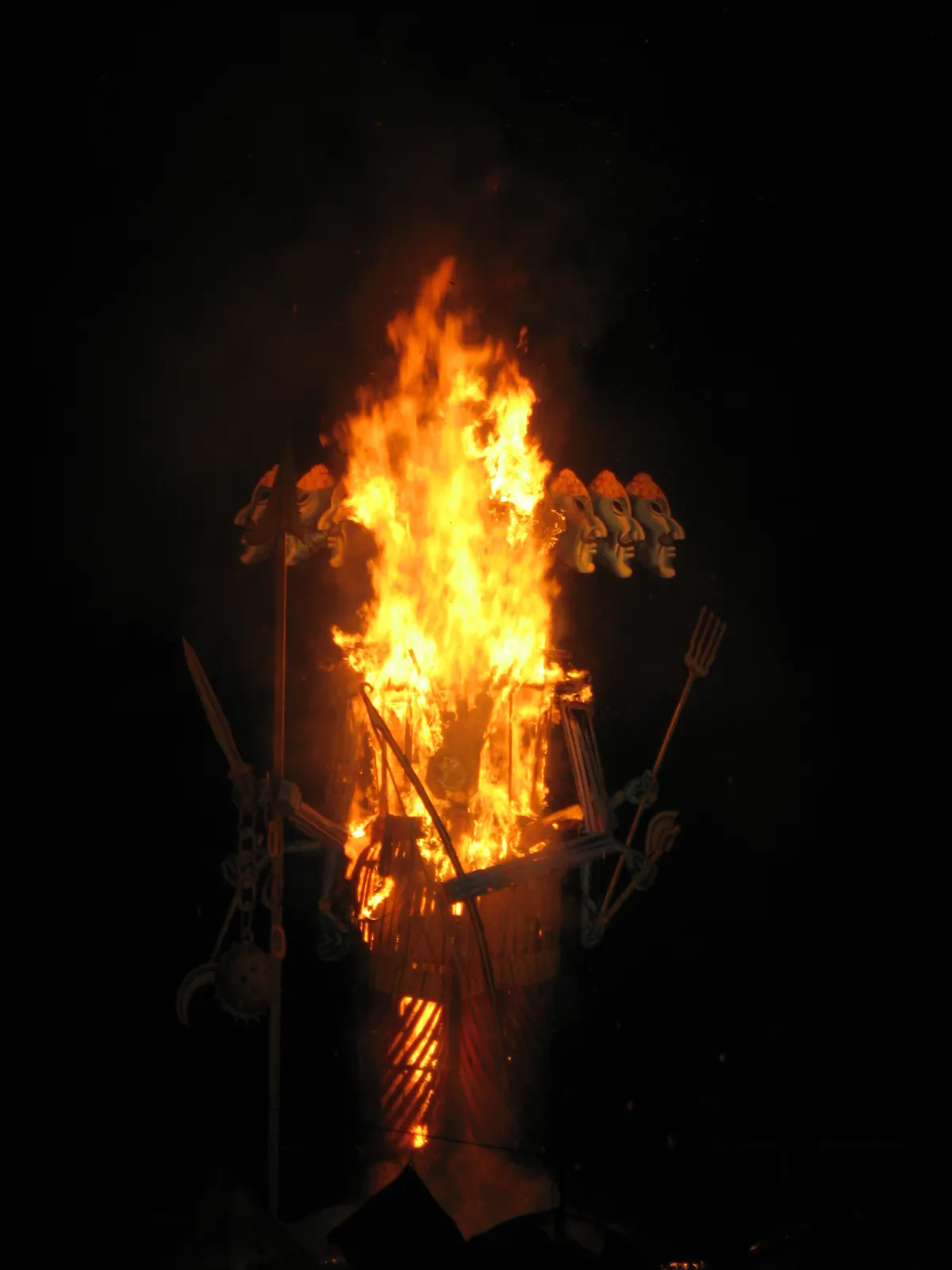
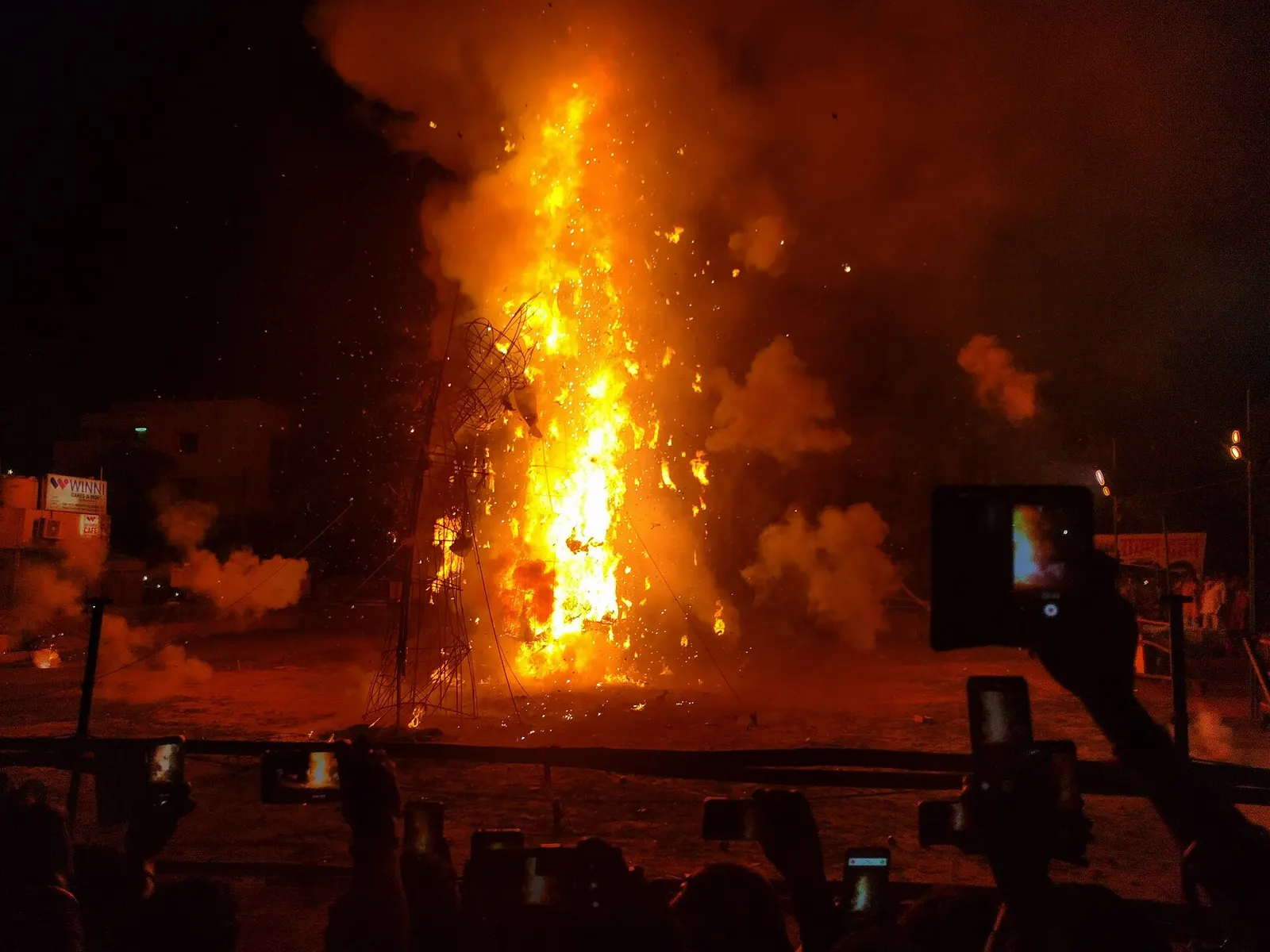
In Delhi NCR, the ten days before Dussehra sound like a construction site. Near a park in Rohini or a ground in Faridabad, men have spent weeks lashing bamboo and paper into an effigy tall enough to need a crane, packing it with firecrackers that will make the whole neighbourhood flinch. A grandmother watching from her balcony might tell her grandson she has seen forty Ravan Dahans and each one still makes her jump. The Dussehra 2026 significance lies partly in that: a ritual repeated for generations that somehow never becomes routine.
Dussehra falls on Tuesday, October 20, 2026, the day after the nine nights of Sharad Navratri (October 11 to 19). What the day means, though, depends on where in India, or the world, you are standing when you ask.
Vijayadashami Meaning: Two Victories, One Day
The name explains the core. Vijaya means victory and dashami means the tenth day, so Vijayadashami is the day of victory. The version most of North India grew up with is the Ramayana's. After a long battle, Rama defeats the ten-headed demon king Ravana, who had abducted Sita. Ravan Dahan dramatises that final victory, often with effigies of Kumbhakarna and Meghnad alongside, and the fireworks inside make the demon's downfall as literal as possible.
Travel east to West Bengal, Assam or Odisha, and the same day carries a different emotional register. There, Vijayadashami, called Bijoya Dashami, closes Durga Puja, and the story is Durga's victory over the buffalo demon Mahishasura. It is also a farewell. The goddess, who arrived to visit her natal home, is sent back with Sindoor Khela, as married women smear vermilion on the idol and on each other before the immersion procession heads to the river. There is laughter in it, and also the ache of watching someone you love walk out the door.
Both stories are called Vijayadashami, and both are about victory. The festival holds them together without contradiction: at its widest, it is the day good decisively wins, told through whichever story your region inherited.
Regional Dussehra Traditions, From Mysuru to Kullu
- North India (Delhi, UP, Punjab): Ramlila performances build over the Navratri nights and end with towering effigies burned in public grounds before thousands of people.
- West Bengal, Odisha and Assam: Durga idol immersion, Sindoor Khela and processions to rivers or ponds, more tender than triumphant in mood.
- Karnataka (Mysuru): The Mysuru Dasara is a ten-day celebration with royal roots, ending on Vijayadashami with the Jamboo Savari, a procession in which a caparisoned elephant carries the idol of Goddess Chamundeshwari through the city.
- Gujarat and parts of Maharashtra: Nine nights of Garba and Dandiya lead into Dussehra, with less focus on effigies and more on closing the Navratri season, often with Shami puja and new beginnings.
- Himachal Pradesh (Kullu): The Kullu Dussehra famously begins on the day the rest of India's ends. It is a week-long gathering in the Dhalpur maidan honouring Lord Raghunath, with palanquins of local deities brought in from villages across the valley.
No single version is "the real one". These regional Dussehra traditions share a pattern: a period of struggle, nine nights of it symbolically, resolves on the tenth day into clarity and relief.
প্রবাসে দুর্গা পূজা (Durga Puja Abroad)
Bengali families living outside India have their own phrase for how the festival travels: প্রবাসে দুর্গা পূজা (probashe Durga Puja), meaning Durga Puja while living abroad. Community pujas in London, New Jersey, Toronto or Sydney often rent school halls or community centres, shift the main days toward a weekend, and immerse a small symbolic idol or a clay ghot in water. Timing can differ too. Drik Panchang's London listing, for example, places Bengal's Vijayadashami on Wednesday, October 21 in 2026, a day after the North Indian Dussehra.
Dussehra Rituals Families Still Keep at Home
Away from the fireworks, quieter customs carry just as much meaning:
- Shami puja: Many North Indian and Maharashtrian households worship the Shami tree and exchange its leaves, called sona or "gold", in Maharashtra. The custom traces back to the Mahabharata, where the Pandavas retrieved their hidden weapons from a Shami tree at the end of their exile.
- Aparajita puja: Worship of the goddess Aparajita, "the undefeated", traditionally performed in the afternoon Vijay Muhurat.
- Ayudha Puja: Tools, vehicles, books and instruments of work are cleaned and blessed. It is especially strong in South India, where it is often marked the day before, on Navami.
- Vidyarambham: In Kerala and parts of Karnataka, young children are introduced to letters on this day, tracing their first syllables in rice or sand.
The instinct behind all of these is the same. The tenth day is a reset point, auspicious for taking up responsibilities again or starting something new.
Keeping the Dussehra 2026 Significance Alive When You Can't Reach the Ground or the Ghat
Not every household lives near a Ramlila ground or a Durga Puja pandal. That is as true of a Gurugram high-rise with no common space as of an apartment an ocean away. What still matters to most families is not the scale of the public spectacle but the private moment of the puja, done properly, with intention, on the correct tithi.
For some families, that means a local priest at home. For others, it means a puja performed live by a pandit at a temple in Ujjain, such as a Durga Saptashati Path, with the family's name and gotra spoken aloud (DevPravas pujas in Varanasi and Prayagraj are coming soon). Neither replaces the community celebration, and neither needs to. Browse the full range on our pujas page, and see how the format works for families abroad on our NRI page.
FAQ: Dussehra Meaning and Rituals
Why is Dussehra celebrated?
Dussehra celebrates the victory of good over evil: Rama's defeat of Ravana in the Ramayana, and Durga's triumph over Mahishasura in the Devi tradition. The Dussehra 2026 significance is the same as it has always been, marking the tenth day after nine nights of struggle. Our pujas page lists rituals families book for the day.
Is Dussehra the same as Vijayadashami?
Yes. Both names refer to the same tenth day of Ashwin Shukla Paksha. "Dussehra" is more common in Hindi-speaking North India and is closely tied to Ravan Dahan. "Vijayadashami" is used more widely across India and in the Durga Puja tradition. Our Dussehra 2026 guide for families abroad covers the date and timings.
What should you do on Dussehra at home?
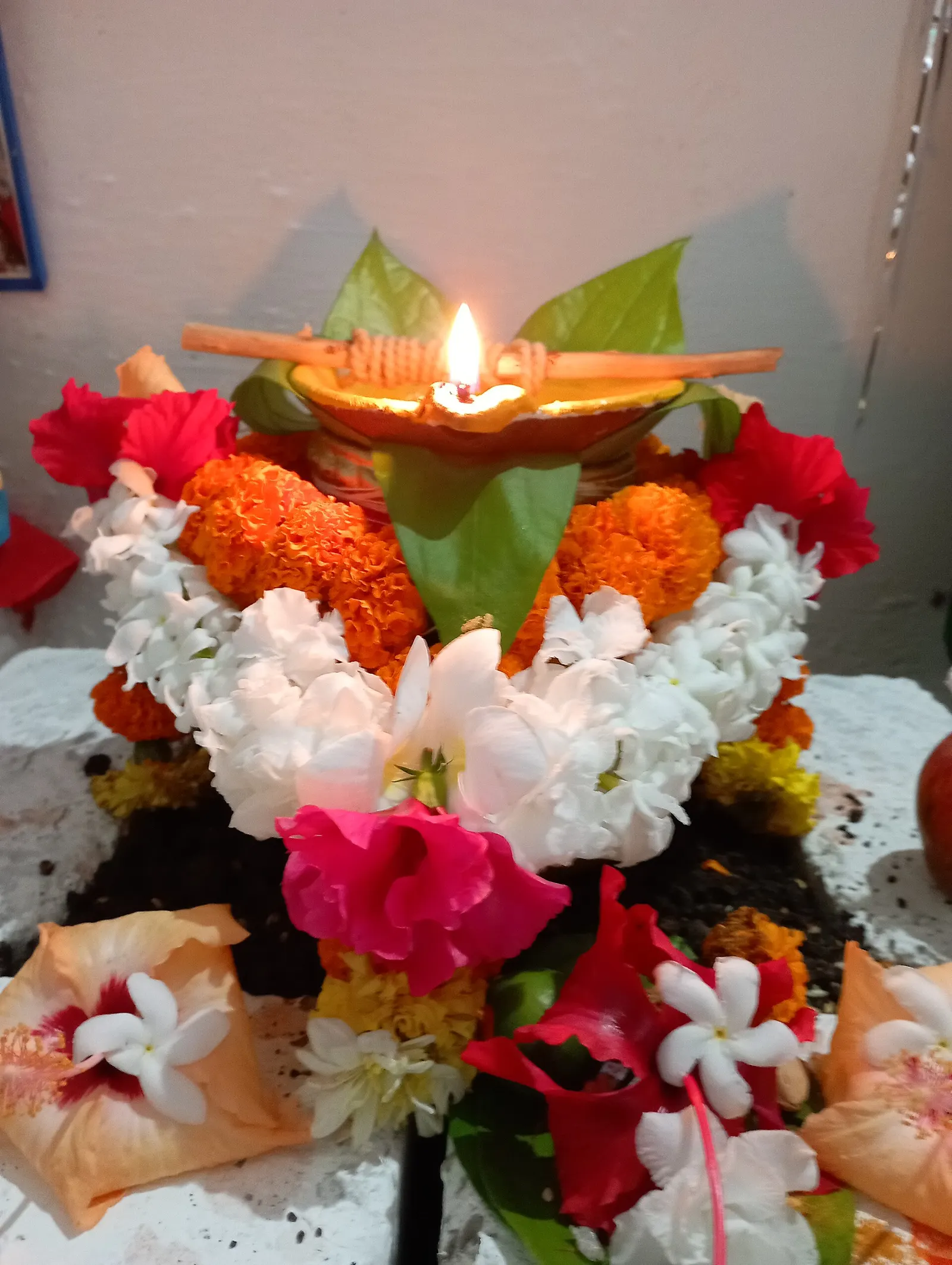
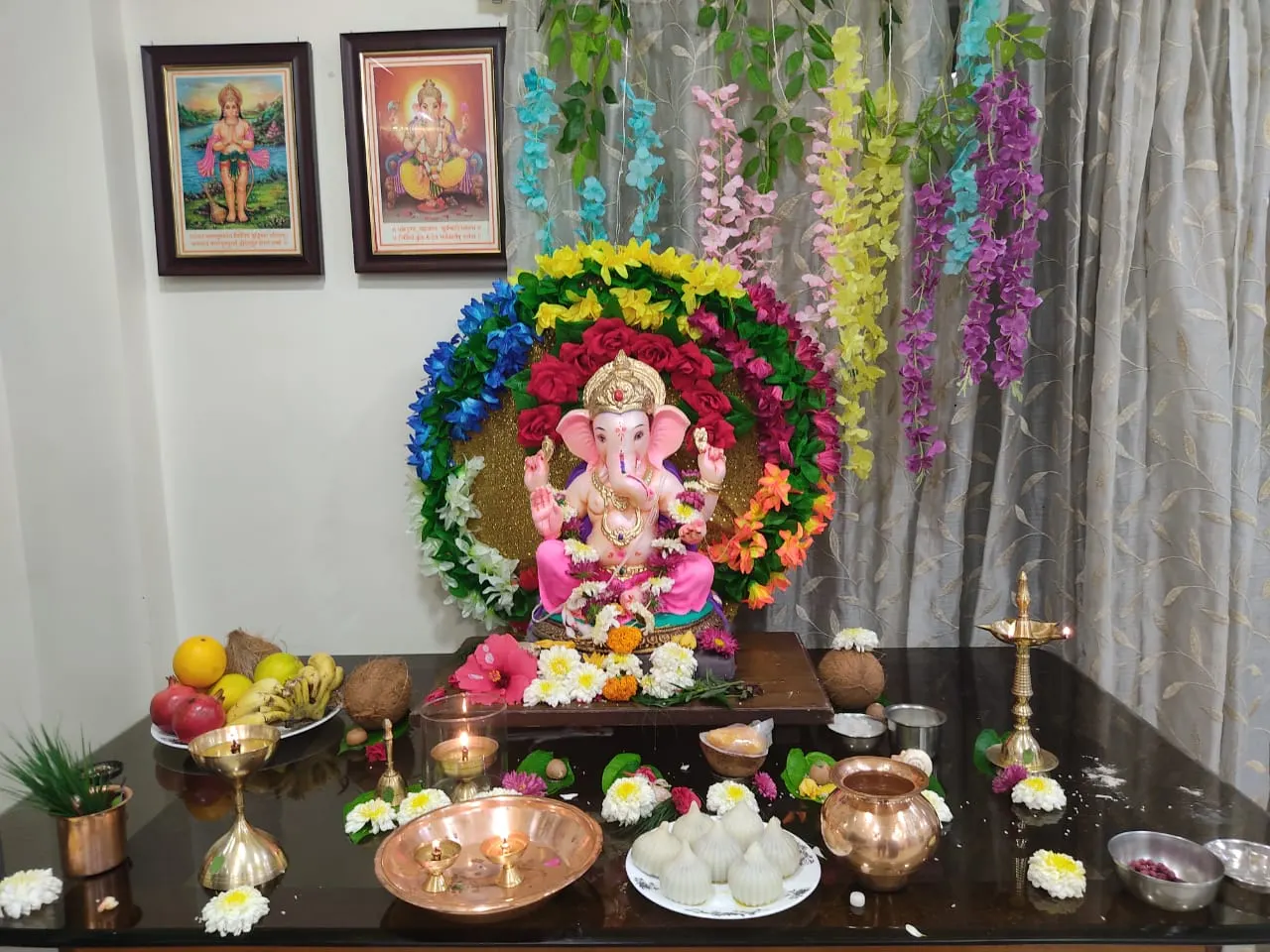
Common customs include a closing Navratri puja and aarti, Shami or Aparajita puja, blessing the tools of your work, and sharing sweets with family. Children can help set up the shrine or light the diya. If you want a priest to lead it, you can book a puja on devpravas.in with the sankalp in your family's name.
Why is the Shami tree worshipped on Dussehra?
In the Mahabharata, the Pandavas hid their weapons in a Shami tree during their final year of exile and retrieved them on Vijayadashami. Worshipping the tree and exchanging its leaves became a way to mark taking up duty again after a period of waiting. Our Hindu festival calendar 2026 shows where Dussehra falls in the season.
Why is Ravana's effigy burned on Dussehra?
Burning the effigy symbolises destroying the arrogance and vices Ravana stands for. His ten heads are often read as ten flaws, such as ego, lust, anger and greed. It is the final act of the Ramlila, the staged retelling of the Ramayana. Families abroad often mark it more quietly, as our NRI page explains.
When is Bijoya Dashami in 2026?
In India, Bijoya Dashami coincides with Vijayadashami on Tuesday, October 20, 2026, when Durga Puja ends with visarjan. Some listings abroad differ, and Drik Panchang places Bengal's Vijayadashami on October 21 for London. To offer a devotional recitation for the goddess, see the Durga Saptashati Path from Ujjain.
Related Reading
If you are marking Dussehra outside India, Vijayadashami/Dussehra 2026: Celebrating From Abroad covers timings and practical ideas. For the nine nights before it, see Sharad Navratri 2026: Dates, Nine Days, Nine Devis Explained and Ganpati Sthapana and Navratri: How Maharashtra's Festivals Connect. Bengali families abroad may also like Mahalaya 2026.
Book Your Puja
From Mysuru's elephant procession to Kullu's palanquins, the Dussehra 2026 significance comes back to one idea: after struggle comes victory, and the tenth day is the right day to begin again. If you would like a real pandit at a real temple to perform a puja in your family's name, message us on WhatsApp or go to book.html to see available dates.
Share this article
Found this useful? Pass it on to a family member who is weighing the same question.