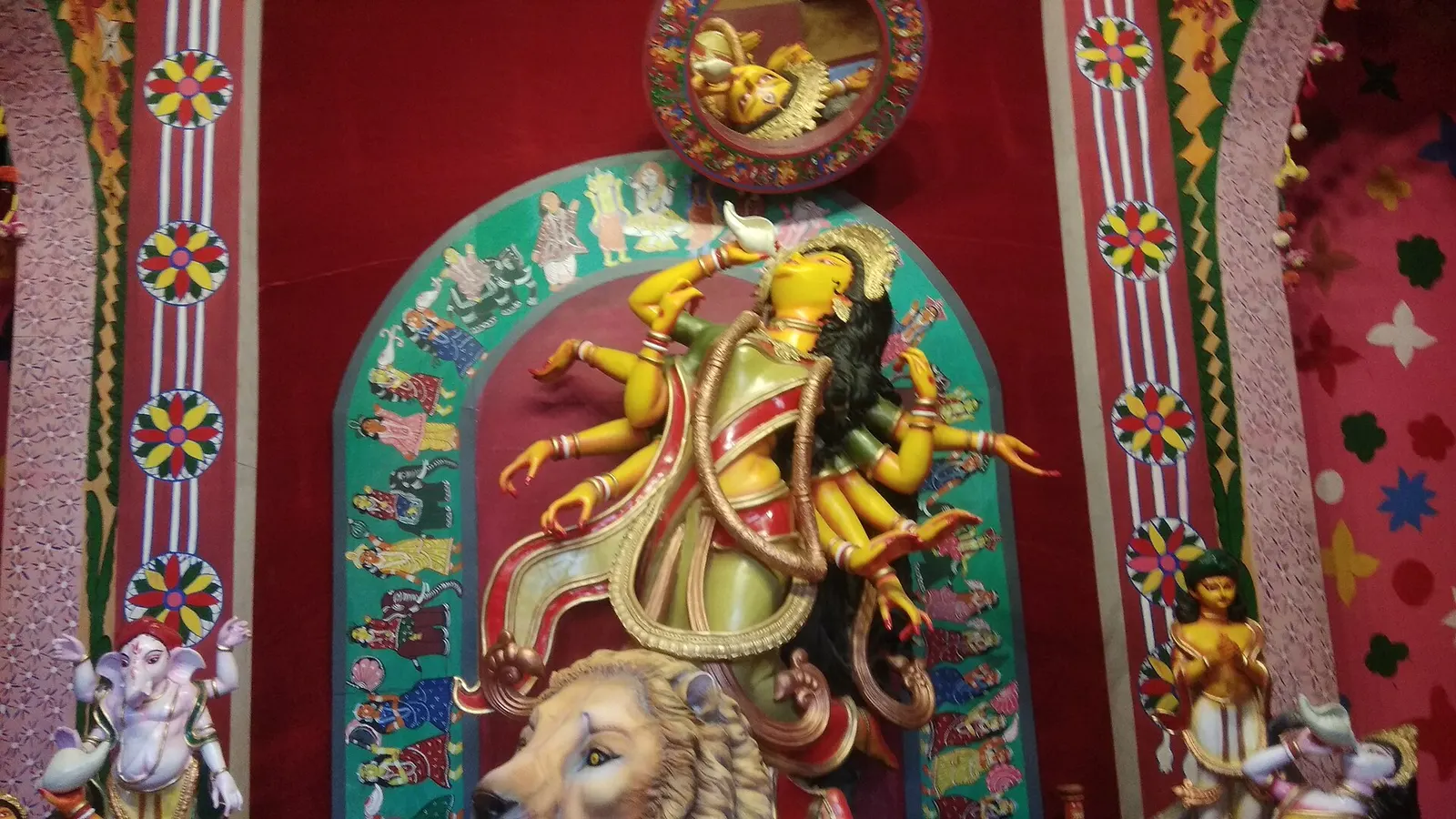
Garba Nights and Ghar Ki Puja: Navratri Garba Puja for NRI Families
By DevPravas Editorial Team · · 8 min read
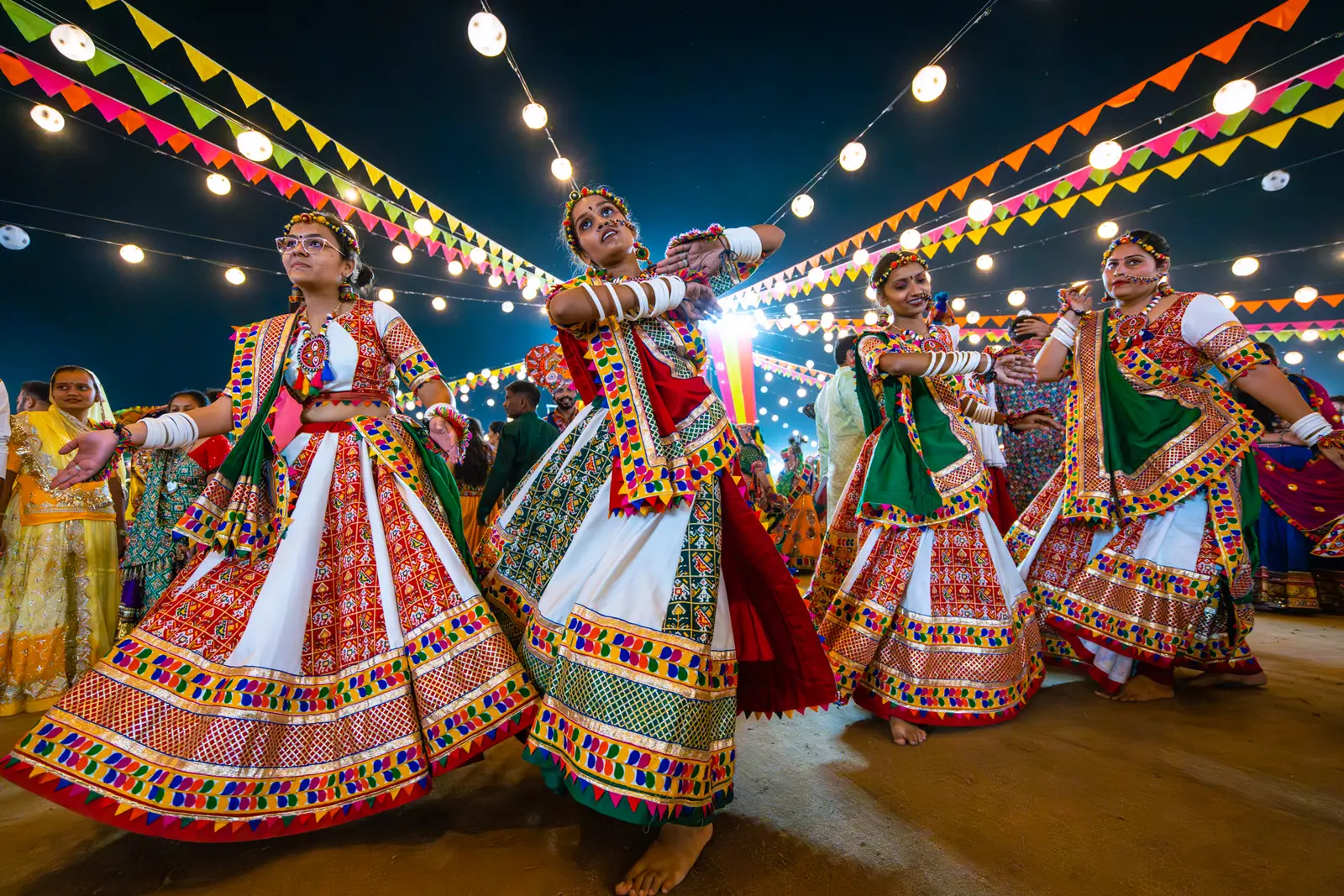
By eight on the first Saturday of Navratri, the rented hall near Oak Tree Road in Edison, New Jersey, is already loud. Dhol through the speakers, dandiya sticks clacking slightly off the beat, aunties waving latecomers toward the shoe racks. Neha's daughters, nine and twelve, have rehearsed their steps in the living room for two weeks. The question nobody in the group chat has answered is who is doing the Ghatasthapana at home. That gap is what Navratri Garba puja for NRI families is really about: keeping the ghar ki puja alive while the community side takes care of itself.
It is a split many diaspora households know well. The social half of Navratri is visible and easy to plan, because someone always books the hall and hires the DJ. The devotional half, the kalash on day one, nine days of Devi worship, the akhand jyot that is meant to stay lit, gets improvised at the last minute or quietly skipped, because no grandparent lives around the corner to simply come and do it. Sharad Navratri 2026 runs from Sunday, October 11 to Monday, October 19, with Dussehra on Tuesday, October 20. That gives families nine nights to get both halves right, whether home is Edison or Ahmedabad.
Two Festivals Inside the Same Nine Nights
For a diaspora family, Navratri is really two things happening at once. There is the public celebration: Garba and Dandiya nights, matching outfits, rehearsal group chats, a hall full of people who half-remember the choreography. And there is the private one: Ghatasthapana, a daily aarti to the nine forms of Devi, the fasts some family members keep, and a small shrine that needs attention morning and evening for nine straight days.
The dancing was never a distraction from the devotion. In Gujarat, garba began as worship, a circle danced around a lit lamp or an image of the goddess. The version that survives the move abroad often keeps the circle and loses the lamp. Someone has to bring the lamp back on purpose.
Garba Ane Navratri Puja USA Ma
In Gujarati homes across North America, the phrase garba ane navratri puja USA ma ("garba and Navratri puja, here in the USA") gets said half as a joke, because the two so rarely get equal attention in the same week. Parents want their children fluent in both the dance and the devotion. Only one of them comes with a hall, a DJ and a volunteer committee.
Keeping Navratri at Home Abroad Without Skipping the Hall
The families who manage both well tend to do one simple thing: they treat the puja as its own scheduled event, not something that happens if there is time left after rehearsal. In practice that looks like:
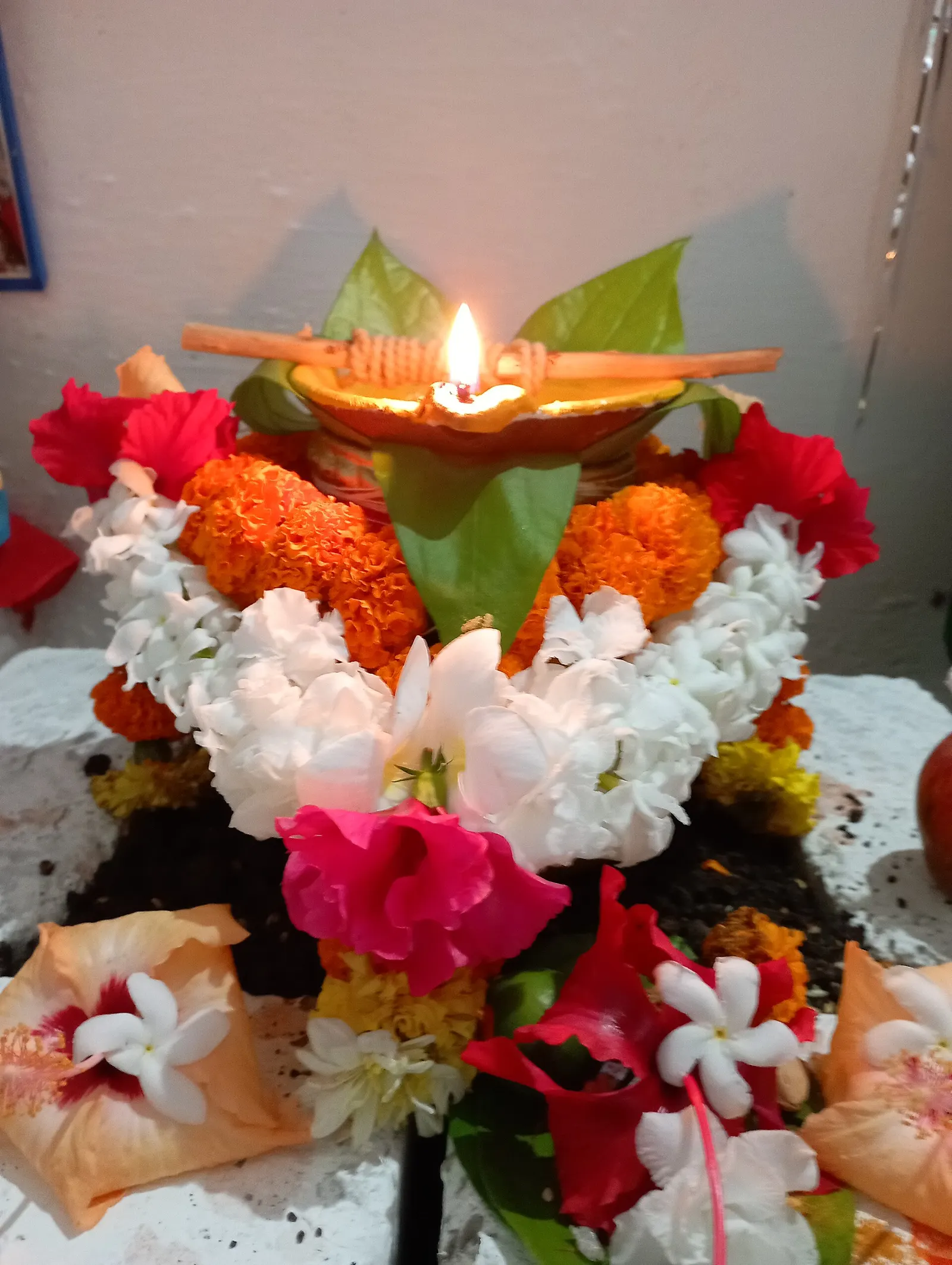
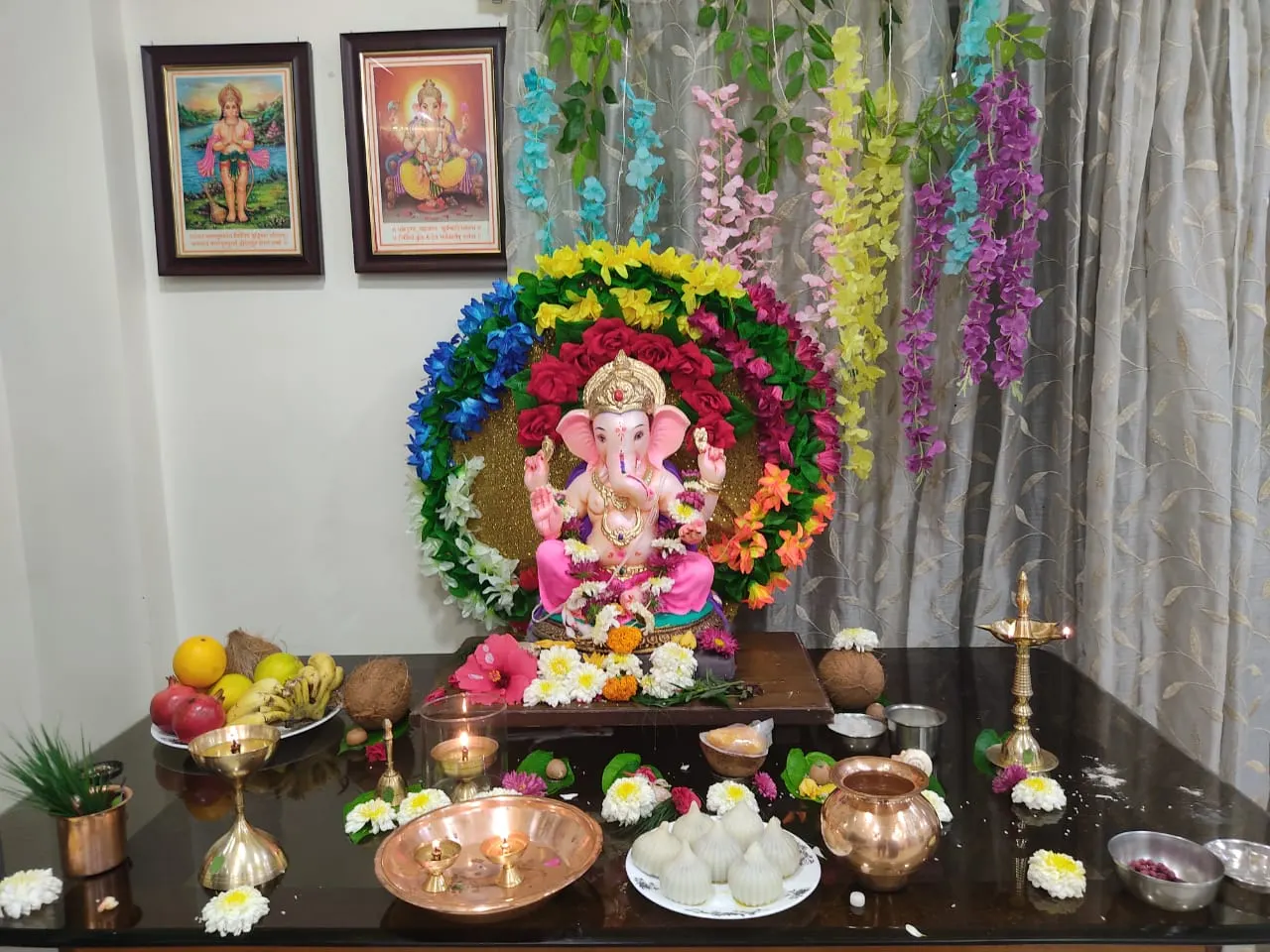
- Installing the Ghatasthapana kalash on day one with real intention, even if the "pooja room" is a shelf in a condo.
- Getting a proper, guided Navratri puja, with a pandit taking the sankalp in the family's name and gotra, for at least the opening and closing nights, even if parents lead the daily aarti themselves.
- Involving the children in both halves deliberately. Let them help set up the kalash in the same week they pick their outfits, so the ritual is not invisible next to the celebration.
- Keeping Ashtami or Navami as a distinct puja day, including Kanya Puja where the family observes it, rather than folding it into that evening's dance programme.
Across the Atlantic, a family in Leicester faces the same split with a different clock. During Navratri the UK is still on British Summer Time, four and a half hours behind India, so an Indian evening aarti lands in the Leicester afternoon. Edison, on Eastern Daylight Time, sits nine and a half hours behind. Whichever city you are in, Navratri at home abroad works best when the time of the puja is fixed first and everything else, including the drive to the hall, is planned around it.
How Navratri Puja Online Fits Around Garba Night
A guided puja does not compete with the community night out. It happens at a set time, the sankalp is taken in your name and gotra, and by the time the family leaves for the hall, the day's devotional duty is done instead of hanging over everyone.
DevPravas offers a Navratri Garba Puja led by Ahmedabad-based priests who can guide the ritual in Gujarati, Hindi or English. A verified priest joins your home by video for about 25–35 minutes a night. On the first night they guide the kalash sthapana and opening sankalp. After that they lead the aarti and mantras each evening, and on Navami they share guidance for the closing aarti and kanya pujan. You can book a single evening, three evenings, or all nine nights. Before Navratri you also receive a day-by-day calendar with that day's form of the goddess and its colour, and an optional prasad and samagri kit can be shipped before the festival begins. The full catalogue of pujas is on our pujas page.
The Logistics Nobody Puts on the Group Chat
The community side of Navratri has infrastructure behind it: a hall committee, a treasurer, a DJ on retainer, a decorations volunteer. The devotional side usually has none. Nobody is coordinating who brings the kalash, who remembers the Ghatasthapana mantras, or which morning the fast should be broken. By default it falls to whichever parent grew up watching it done, now reconstructing it from memory in a kitchen thousands of kilometres from where they learned it.
That is a lot to carry alongside a full-time job, school pickups and nine nights of rehearsal. It is exactly the gap a guided puja is meant to close. Families can do it themselves, but doing it well, with the right sequence and the right words, should not depend on one tired parent's memory holding up.
What Navratri Garba Puja for NRI Families Looks Like Night by Night
A rhythm many families settle into goes like this:
- Night one (October 11): Ghatasthapana at home, guided live or done quietly by the family, before anyone thinks about that evening's outfit.
- Nights two to seven: A short aarti, five to fifteen minutes, done together before leaving for the hall. The day's colour becomes a game for the kids rather than a rule.
- Ashtami and Navami: A fuller puja that stands on its own. This is when many households break a fast or honour young girls as forms of the goddess through Kanya Puja.
- Vijayadashami (October 20): A closing puja that actually closes something, rather than the season fading out once the hall bookings end.
None of this means giving up the community half. Families who keep the two halves distinct often find the dancing means more, not less, once the devotional side is no longer an afterthought.
FAQ: Navratri Garba and Puja Abroad
Can I do Navratri puja at home without a pandit?
Yes. Many families lead the daily aarti themselves and bring in a pandit only for the nights where the sequence matters most: Ghatasthapana, Ashtami or Navami, and the close. If you want guidance for those moments, the Navratri Garba Puja can be booked for a single evening, three evenings or all nine, so you only add help where you need it.
How do Indian families celebrate Navratri at home in the USA?
Most combine a small home shrine with community garba. The kalash goes up on day one, a short aarti happens each evening, and weekends are for the hall. Families in New Jersey, Texas or California often add a guided puja on key nights. Our USA page explains how evening and weekend slots are arranged across US time zones.
Is garba a religious dance or just a cultural event?
It began as worship. Garba is traditionally danced in a circle around a lamp or an image of the goddess, which is why it belongs to Navratri at all. Abroad it has become a big social event too, and that is fine. Pairing it with a real puja at home, like the ones listed on our pujas page, keeps the original meaning in view.
What time should we do the puja if garba starts in the evening?
Fix the puja time first, then plan the evening around it. Many families do the aarti just before leaving for the hall, so the day's devotion is complete before the dancing starts. A coordinator on devpravas.in can suggest a slot for your time zone. Our NRI page explains how live timings are matched to the priest's schedule in India.
Can we book a Navratri puja online from the UK?
Yes. During Navratri the UK is on British Summer Time, four and a half hours behind India, so a live puja usually falls in the afternoon or early evening. Families in Leicester, London and Birmingham book the same way as US families do. See our UK page for slots and details about prasad shipping.
Is Navratri Garba puja for NRI families different from a temple puja?
The core is the same: sankalp in your name and gotra, invocation of the goddess, and aarti. The difference is where it happens. A guided home puja keeps the ritual in your own living room, with your children taking part, rather than asking you to travel. You can check available dates before Navratri begins on October 11.
Related Reading
For how families across the diaspora approach the festival more broadly, see Sharad Navratri 2026 Abroad, and for the nine forms of the goddess and their days, Sharad Navratri 2026: Dates, Nine Days, Nine Devis Explained. Maharashtrian families balancing a similar dual season should read Ganpati Sthapana and Navratri. If Toronto or Vancouver is home, Canada's Growing Indian Diaspora looks at how Canadian families book, and our NRI Canada page lists Eastern and Pacific slots.
Do Both, Fully
You should not have to choose between the dandiya circle and the Devi's aarti. Navratri Garba puja for NRI families works when both get their own time: the hall for the community, and the home for the kalash, the lamp and the sankalp. Message us on WhatsApp to schedule your Ghatasthapana or all nine nights around your family's calendar, or go to book.html to see this week's available slots.
Share this article
Found this useful? Pass it on to a family member who is weighing the same question.