Does Every Wedding Muhurat Suit Everyone? How a Vivah Muhurat Is Chosen for Your Kundali
By DevPravas Editorial Team · · 8 min read
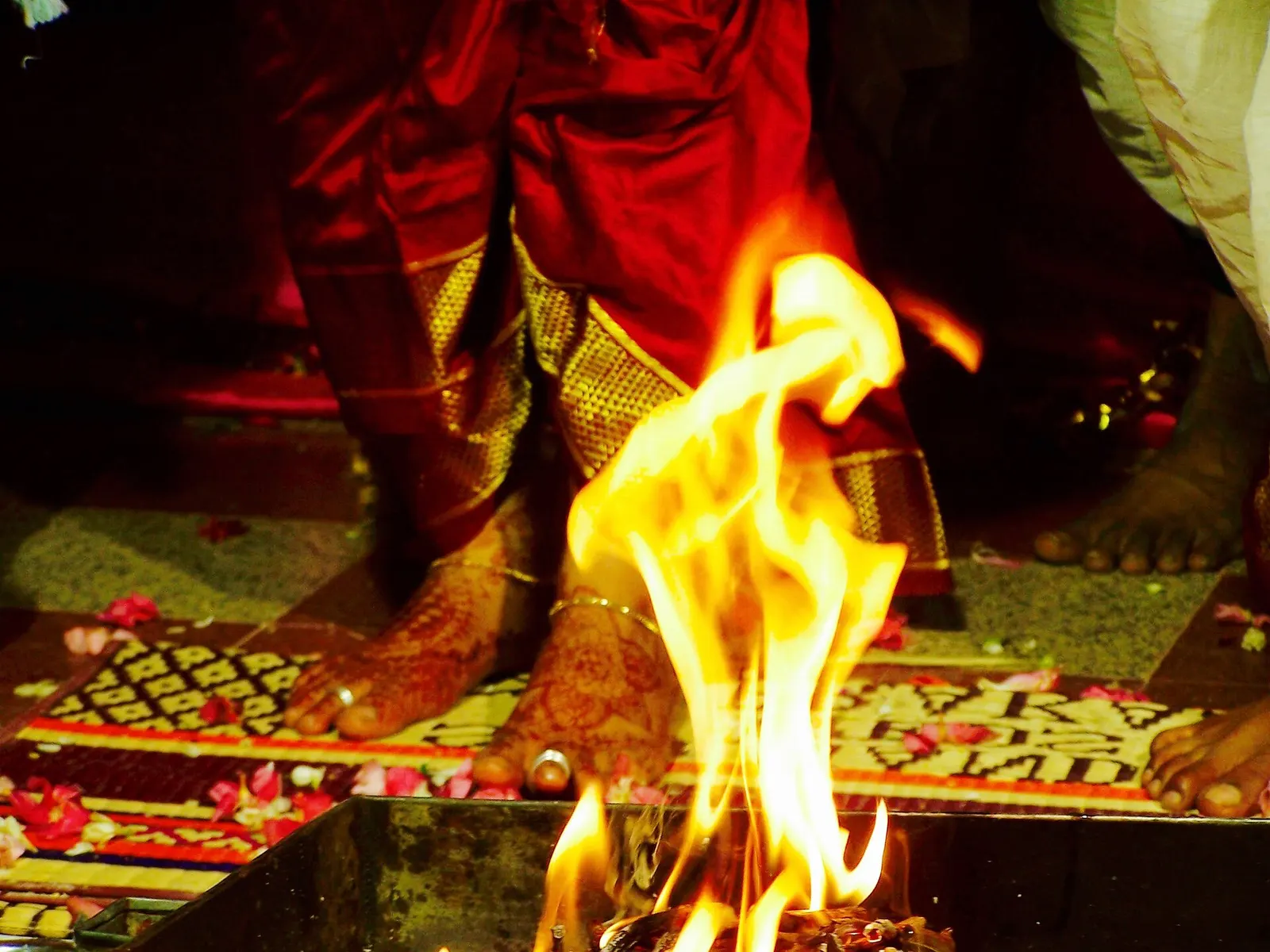
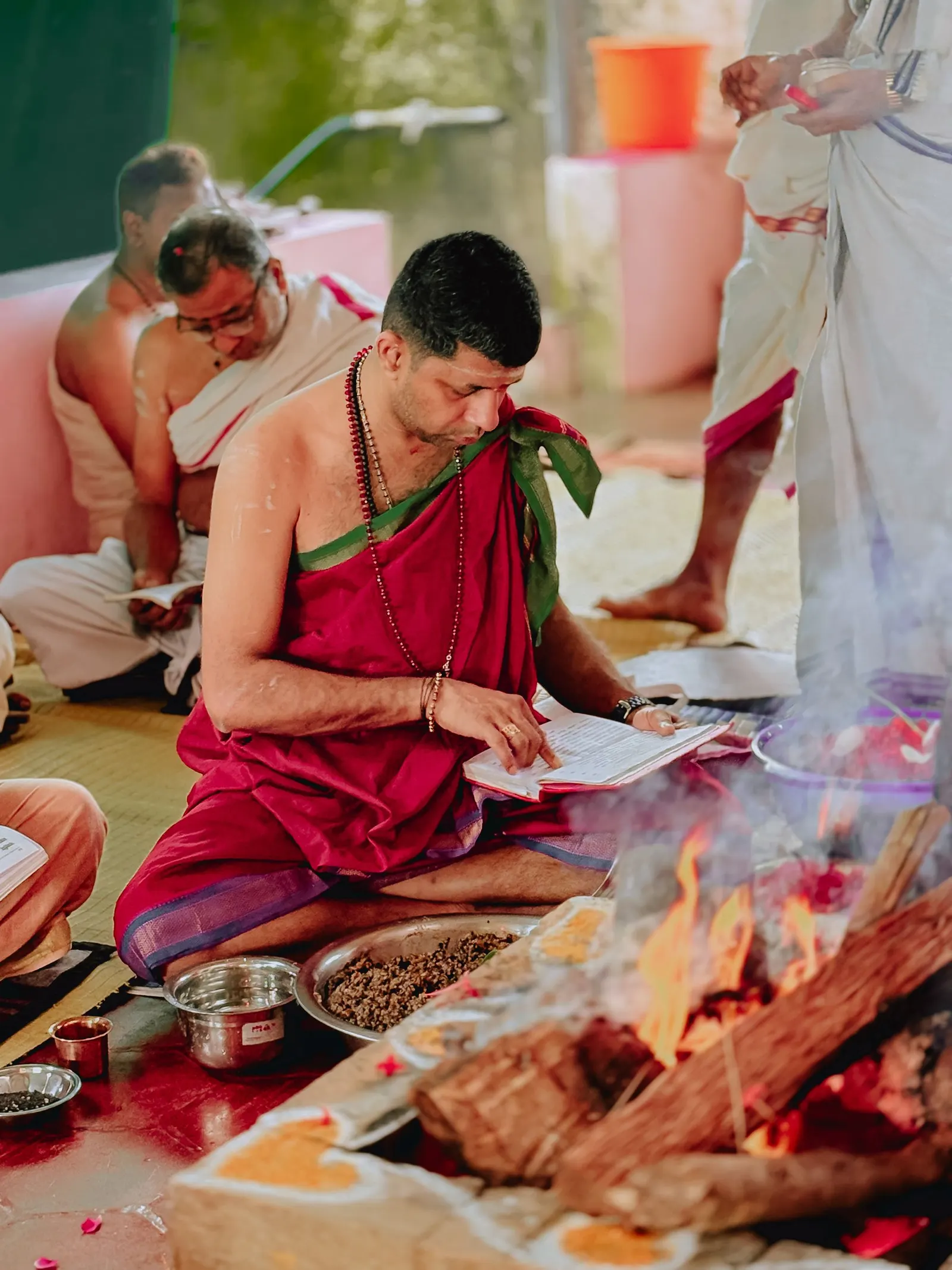
Every wedding season, the same list starts circulating in family WhatsApp groups: "Shubh vivah muhurat dates this year." Cousins check it against the hall bookings, someone's aunt circles three dates, and the matter feels settled. Then the family pandit looks at the two horoscopes and says, quietly, "This date is fine for the calendar. It may not be the best date for these two."
That sentence surprises many families. If a date is auspicious, is it not auspicious for everyone? In the Jyotish tradition, the honest answer is no. A published muhurat is a starting point. A muhurat chosen for a couple goes one step further and is checked against both partners' birth charts. This guide explains the difference, what each layer checks, and what to prepare before you sit down with a pandit.
The Short Answer: A Wedding Muhurat Has Two Layers
| General vivah muhurat | Personalized vivah muhurat | |
|---|---|---|
| Who it is for | Everyone, as a calendar list | One specific couple |
| What it checks | The panchang: month, nakshatra, yoga, karana, planetary conditions | Everything in the general list, plus both partners' charts |
| Uses birth details? | No | Yes, of both bride and groom |
| Where you find it | Printed panchangs, Drik Panchang, temple calendars | A pandit or astrologer who has read both kundalis |
According to Drik Panchang, its published Vivah Muhurat dates apply Panchang Shuddhi, the basic calendar checks, and do not consider the couple's individual charts. It describes personalized muhurat as a separate exercise that uses the birth details of both the bride and the groom. So a date on the public list is a date that passes the common filters. Whether it is the right one for your couple is the second question.
Layer One: What the General List Already Filters
Before any chart is opened, the calendar itself removes a great deal. Following the classical text Muhurta Chintamani, Drik Panchang explains the broad rules:
- Solar months matter, not lunar ones. Marriages are traditionally held when the Sun is in Mesha, Vrishabha, Mithuna, Vrischika, Makara or Kumbha, and avoided when it is in Karka, Simha, Kanya, Tula, Dhanu or Meena.
- Kharmas, Chaturmas and Adhik Maas are avoided. Dhanu is Kharmas, when marriages are prohibited. Weddings are also not held during Adhika Masa, Kshaya Masa or Chaturmas, and Pitru Paksha falls inside Chaturmas.
- Nakshatra, yoga and karana are checked. Certain karanas, including Vishti, Shakuni, Chatushpada and Nagava, are avoided because they are believed to bring difficulty to the couple and the family.
- Days when Venus or Jupiter is combust are dropped. Shukra and Guru are the planets most associated with marriage, so dates when either is set (asta) are left out of the list.
- Weekday and tithi play a smaller role. Monday, Wednesday, Thursday and Friday are generally favoured and Tuesday is not. Dwitiya, Tritiya, Panchami, Saptami, Ekadashi and Trayodashi are considered best, while the Rikta tithis, Chaturthi, Navami and Chaturdashi, are avoided.
Practices differ between regions and families. Drik Panchang itself notes that its list does not apply Singhast Guru or the North Indian Holashtak period, which some families do observe, so always ask your own pandit which conventions your family follows.
This is why the general list is useful: it protects everyone from the widely agreed avoidances. It is also why it cannot be the last word. It has no idea who is getting married.
First, Kundali Matching Comes Before the Date
Most pandits settle compatibility before they look at muhurat, and for a simple reason: a wedding date cannot change what is already in the two birth charts. The usual order is:
- Ashtakoota (Guna Milan). Comparing the two charts on eight factors with a total of 36 points. Many astrologers treat a score of around 18 or above as acceptable, though families and pandits differ on how much weight to give the number.
- Manglik check. Whether Mars placement in either chart needs consideration, and whether the two charts balance each other. Our guide to Manglik Dosha: causes, myths and remedies explains what this does and does not mean.
- Only then, the wedding date.
If you are an NRI family doing this over video calls, Manglik Dosha Puja for Marriage Abroad covers how matching is usually arranged from a distance.
Layer Two: How a Muhurat Is Fitted to Two People
Once the match is accepted, the pandit narrows the general list to dates that work for both partners. Drik Panchang describes the main requirements for a personalized vivah muhurat.
Chandra bala and Tara bala. Chandra bala looks at where the Moon sits on the wedding day relative to each person's birth Moon sign. Tara bala compares the day's nakshatra with each person's birth nakshatra, counted in a cycle of nine. Drik Panchang states that for both the groom and the bride, at least one of Chandra bala or Tara bala should be strong during the muhurat. This is where the two charts start to give different answers: a date that is strong for one partner may be weak for the other, and the pandit looks for the dates that work for both.
Tri bala shuddhi. Drik Panchang says this should be available for both partners. In the traditional description, it refers to the combined strength of the Sun, Moon and Jupiter by transit, measured against each person's chart.
Avoiding Ashtama lagna. The lagna chosen for the wedding should not be the eighth from either partner's birth lagna or birth sign. This is another check that depends entirely on the individual charts.
Lagna shuddhi and Navamsha. Beyond the date, the pandit chooses the lagna, the rising sign at the moment of the key rituals such as the pheras. Drik Panchang calls lagna shuddhi the most important and most effortful part of finding a wedding muhurat. The lagna and the seventh house should be free of afflictions, and Gemini, Virgo and Libra are commonly favoured ascendants. It adds that Muhurta Chintamani stresses navamsha shuddhi, a refinement of the chart, in its marriage chapter. Each lagna lasts roughly two hours, which is why a good muhurat is often a window rather than a single minute.
Why This Means One Date Does Not Fit All
Picture two couples considering the same Friday. The date is on the printed list, so both families feel reassured. But the first couple's Moon signs and nakshatras happen to line up well with that day, while the second couple's do not, and for them a pandit might prefer a different date in the same fortnight, or a different lagna window on the same day. The calendar is the same. The charts are different.
That is the heart of it. The general list answers "Is this a good day for weddings?" The personalized muhurat answers "Is this a good day and moment for this bride and this groom?" Within the tradition, both questions are worth asking.
A note of honesty: this is a traditional system, and its practitioners do not all agree on every rule, the weight of each factor, or what to do when a perfect date clashes with the hall booking. Many real weddings involve a compromise, for example a good lagna window on a date that is acceptable but not ideal. A thoughtful pandit will tell you which factors are non-negotiable for your family's tradition and which can bend.
What to Bring to Your Pandit
- Exact birth details of both partners. Date, exact local time and city of birth. If either family does not have the birth time, say so early, because a pandit may suggest working from the nakshatra and moon sign only.
- Your gotra and family tradition. Regional customs differ, and the family's gotra is also needed for the sankalp. See How to Find Your Family Gotra if you are unsure.
- A realistic date window. Venue, travel and leave constraints. A pandit can only choose from the dates you can actually use.
- The wedding location. The lagna and sunrise-based timings are worked out for the place of the ceremony. If the wedding is abroad, read our companion guide, Wedding Abroad: Indian Time or Local Time Muhurat?
FAQ
Is the vivah muhurat in the printed panchang enough?
It is a sound starting list, but it is general. It filters out widely avoided periods and does not consider the couple's charts. Many families use it to shortlist dates and then ask their pandit to confirm the best date and lagna for the two horoscopes.
Do both partners' horoscopes really matter, or just the groom's?
Drik Panchang says a vivah muhurat should be personalized for both the groom and the bride, and that the Chandra bala or Tara bala requirement should hold for both. Practices vary, but the standard approach reads both charts together.
What if the match is good but the best muhurat is inconvenient?
This is common. A pandit may offer an alternative date, a different lagna window on the same day, or a ranked list so the family can weigh convenience against auspiciousness. Some families also choose to perform a shanti puja for the planets involved.
What if we do not know the birth time?
Tell the pandit. Some can work with the birth nakshatra and Moon sign, and others may suggest an approximate time check. Be wary of anyone who offers very precise results from very little information.
Does the same logic apply to engagement, Griha Pravesh or other ceremonies?
The principle is similar: general calendar filters first, individual factors second. Each ceremony has its own rules, though. For housewarming, see Griha Pravesh Muhurat 2027: All Auspicious Housewarming Dates, Month by Month.
Can a puja help if the dates are limited?
Families sometimes book a Navgraha puja or a Manglik remedy before the wedding for peace of mind. These are devotional practices and not a substitute for good communication between the two families. Navgraha Puja Explained describes what it involves.
Related Reading
- Manglik Dosha Explained: Causes, Myths, and Remedial Pujas
- Manglik Dosha Puja for Marriage Abroad: What NRI Families Ask First
- Hindu Festival Calendar 2027: Every Major Festival and Puja Date, January to December
- Katyayani Puja for Marriage: Vidhi, Mantra and How the Jaap Havan Works
Planning a Pre-Wedding Puja?
If your family would like a pandit's guidance on pre-wedding pujas, such as a Manglik remedy or a Navgraha puja, message us on WhatsApp and a coordinator will talk you through the options and the timing. You can also browse the puja catalog or book directly, and families abroad can read how it works on our NRI page.
This article describes traditional Hindu astrological practice for informational purposes. Customs differ between regions and families, so please confirm the final muhurat with your own pandit or family astrologer.
Share this article
Found this useful? Pass it on to a family member who is weighing the same question.