Your Prasad Box After Online Puja: What's Inside the Aashirwad Box and Why
By DevPravas Editorial Team · · 6 min read
Open a prasad box and, before you see anything, you smell it: camphor, dried tulsi, sometimes the faint sweetness of a laddoo that has travelled a long way. It's a small, ordinary-looking cardboard box. What's inside is not ordinary at all.
If you've booked a puja and are waiting for the physical follow-up, or you're simply curious what arrives in a prasad box after online puja bookings, this is a full look at what's typically inside an Aashirwad box, why each item is included, and what to do with it. It applies equally to a family in Kolkata who booked a Rudrabhishek because they couldn't get to Ujjain, and to a family in Singapore who watched the same ritual on a laptop at dawn.
Why a Prasad Box After Online Puja Matters Alongside the Live Stream
An online puja gives you the moment as it happens: the pandit's chanting, the aarti flame, your name and gotra spoken aloud at the temple. But ritual in Hindu practice has always had a physical half too - something you touch, taste, place on your home altar or apply to your forehead. The Aashirwad box is how that half reaches you when you can't be there.
For many families it is also what makes the experience feel complete once the call ends. The stream is a moment. The box stays in your home.
Aashirwad Box Contents: What's Typically Inside
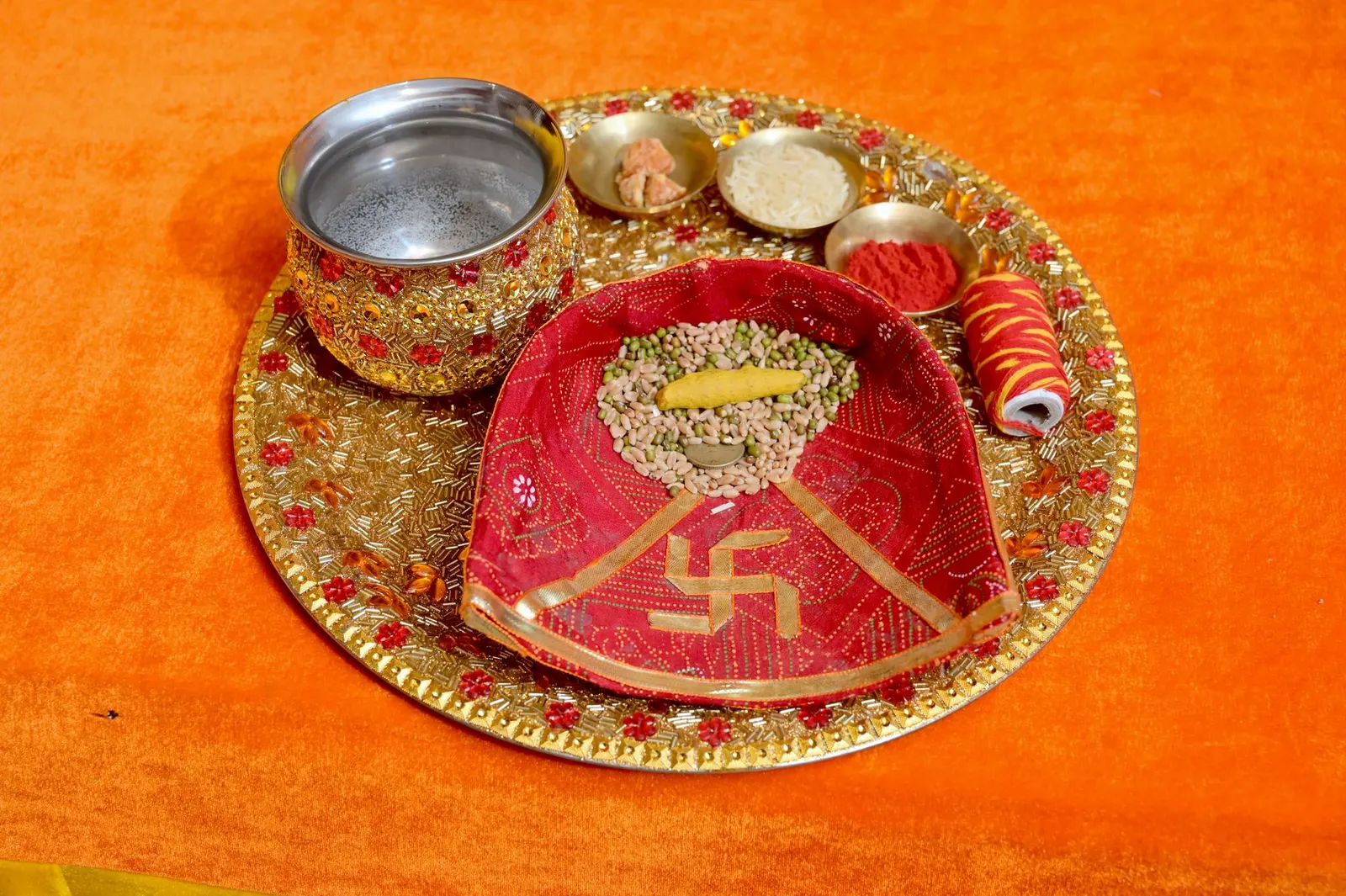
Aashirwad box contents shift with the puja performed, but a standard box generally includes:
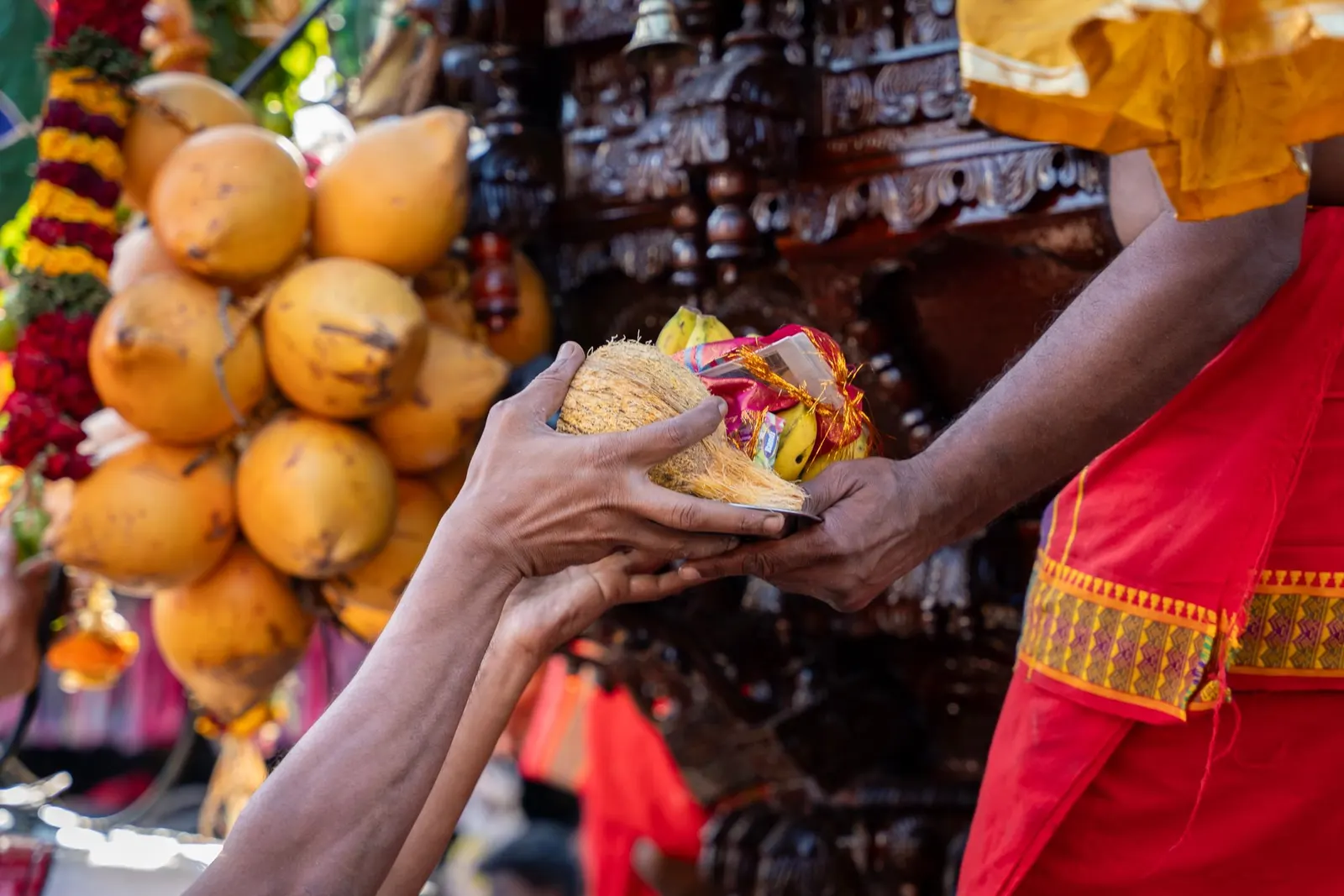
Prasad specific to the ritual. For a Satyanarayan Katha, this is often panjiri or a similar dry sweet. For a Navratri puja, it might include coconut pieces and dried fruit. For Shraadh or Pitru Paksha rites, it typically includes rice or til (sesame) linked to the tarpan offerings. The composition follows the tradition of that particular puja.
Vibhuti (sacred ash) or kumkum. A small packet, meant to be applied to the forehead as tilak, marking the blessing received during the ritual.
A sacred thread (moli or kalava) where applicable. Common with pujas like Rudrabhishek or Navgraha, meant to be tied on the wrist.
A small picture card or yantra of the deity. Not in every box, but included where it is customary, such as Ganpati Sthapana or Satyanarayan Katha.
A printed card explaining the contents. Many families receiving these boxes, especially children raised abroad, won't recognise every item, so the card explains what each piece is and how it's traditionally used.
Why Perishables Get Substituted
At the temple you might receive fresh flowers, fresh fruit or a still-warm sweet from the kitchen. Long-distance shipping, and especially international customs, doesn't allow for that. Where a fresh item would traditionally be offered, the box carries a shelf-stable equivalent with the same ritual meaning - dried rather than fresh, sealed rather than loose. The form changes; the significance doesn't. If you're shipping abroad, our guide to how we send prasad internationally covers what customs allows.
What Certificate Do I Get After an Online Puja?
This is one of the most common questions people ask: what certificate do I get after an online puja? With a DevPravas booking you receive a same-day digital certificate, sent over WhatsApp soon after the ritual, confirming that the puja was performed with your name and gotra in the sankalp. Families use it as a keepsake, as a record for elders, or, in the case of remedial pujas, to show the family astrologer that the recommended ritual was completed. The physical Aashirwad box follows separately.
What to Do With It When It Arrives
There's no single rigid rule, but common practice includes:
- Placing the box briefly on your home altar before opening or consuming anything, as you would at a temple
- Applying the tilak (ash or kumkum) to your forehead, ideally after a short prayer
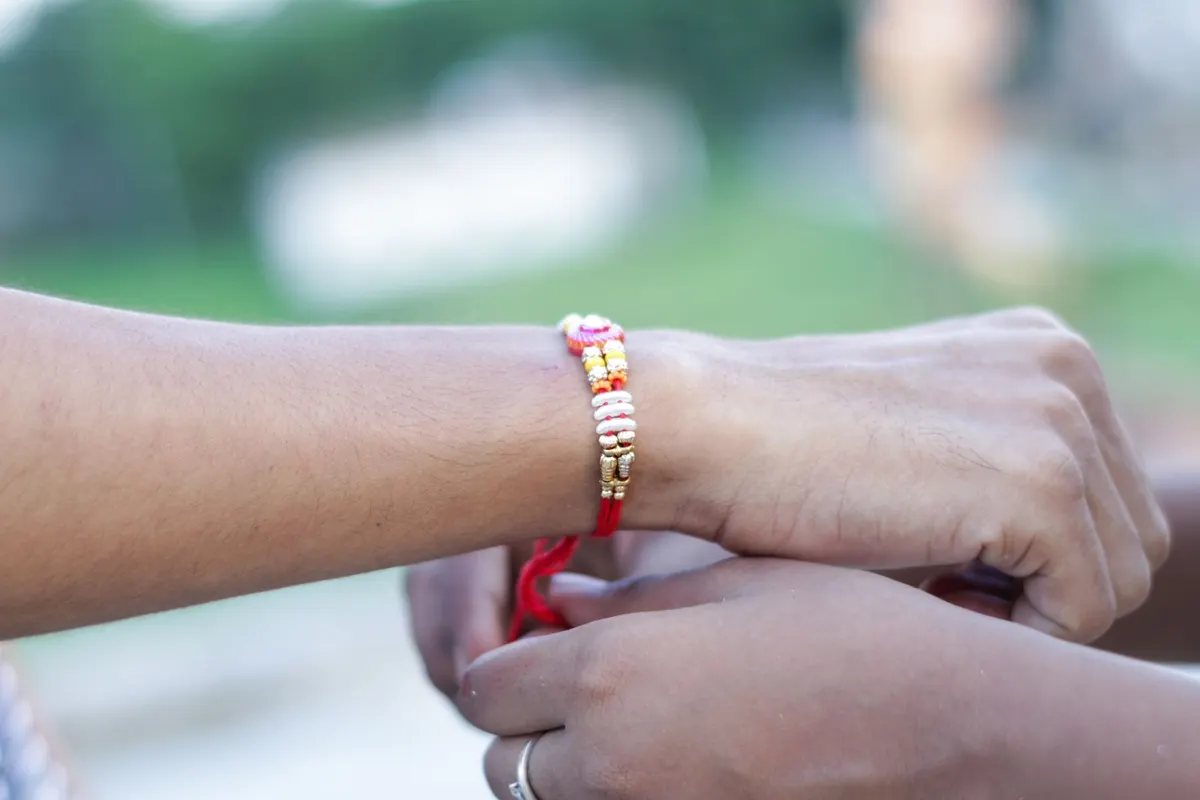
- Tying the sacred thread on your wrist, usually the right wrist for men and the left for married women in many families, though traditions vary
- Sharing the prasad with family and friends, since prasad is meant to be distributed, not stored
- Keeping the picture card on your altar going forward, rather than treating it as a one-time keepsake
If you're unsure about an item, our coordinators are happy to explain on WhatsApp. No question is too basic. Grandparents explain the moli thread to grandchildren over speakerphone mid-unboxing; adults decades into life abroad ask what vibhuti actually is because no one ever sat them down and explained it. Both conversations are exactly what the printed card and our coordinators are there for.
Puja Booking With Prasad Delivery Worldwide
For families who ask ghar baithe puja kaise karayein - how do we get a puja done while staying at home - the answer has two halves: the live stream, and the prasad that follows. A puja booking with prasad delivery worldwide means you watch the ritual live, get the same-day certificate, and then receive the Aashirwad box at your door. Within India, that might be a flat in Kolkata; abroad, our main markets are the US, UK, Canada, UAE, Australia and Singapore, with a 14-day delivery guarantee on international boxes.
You can see which rituals are available on our puja catalog, and families outside India can read timing and shipping details on the NRI page.
FAQ: Prasad Boxes and Certificates
What comes in a prasad box after online puja bookings?
Typically prasad from the ritual itself (dry sweets, grains or til), a packet of vibhuti or kumkum, a sacred thread where the puja calls for one, sometimes a deity picture card, and a card explaining each item. Contents vary by puja. Browse the puja catalog to see which ritual suits your occasion.
What certificate do I get after an online puja?
You receive a same-day digital certificate on WhatsApp confirming the puja was performed with your name and gotra in the sankalp. Families keep it as a record or share it with elders and astrologers. The physical Aashirwad box follows separately. The how it works page shows when each item reaches you.
How long does the prasad box take to arrive?
For international addresses, devpravas.in guarantees delivery within 14 days of the puja across the US, UK, Canada, UAE, Australia and Singapore; customs can occasionally add a day or two during festival season. Tracking comes on WhatsApp. For full shipping and customs details, read sending prasad to the US, UK and Canada.
What should I do with prasad I receive by post?
Place it on your home altar briefly, offer a short prayer, then eat it and share it with family, since prasad is meant to be distributed. Apply the tilak, tie the thread and keep the deity card on your altar. If your child is curious, our guide to teaching kids about Hindu rituals has ideas for involving them.
What if I have dietary restrictions or allergies?
Tell your coordinator when you book, and reasonable substitutions can usually be made, for example leaving out a particular sweet or anything containing nuts. It helps to mention this early, before the box is packed after the puja. You can add a note when you book your puja or message us on WhatsApp.
Can I skip the box and receive only the digital certificate?
Yes, if you'd prefer. Some families already have a full home altar, or live somewhere with difficult customs rules, and only want the certificate as a record. Mention it when you confirm your booking and the coordinator will note it. Our NRI page lists the countries where international prasad delivery is available, which can help you decide.
Related Reading
- Sending Prasad to the US, UK, and Canada: What "14-Day Delivery" Really Means
- Real Puja vs. Recorded Video: What to Check Before You Pay
- Chadhava Explained: The Smallest Puja With the Biggest Meaning
Have Questions About What You'll Receive?
If you want to know exactly what will be in your prasad box after online puja booking, message us on WhatsApp. A coordinator can walk you through the specifics for your chosen puja before you pay. Chat with us on WhatsApp or book your puja here.
Share this article
Found this useful? Pass it on to a family member who is weighing the same question.