Booking a Festival Care Plan for NRI Puja: One Plan for a Year of Festivals
By DevPravas Editorial Team · · 7 min read

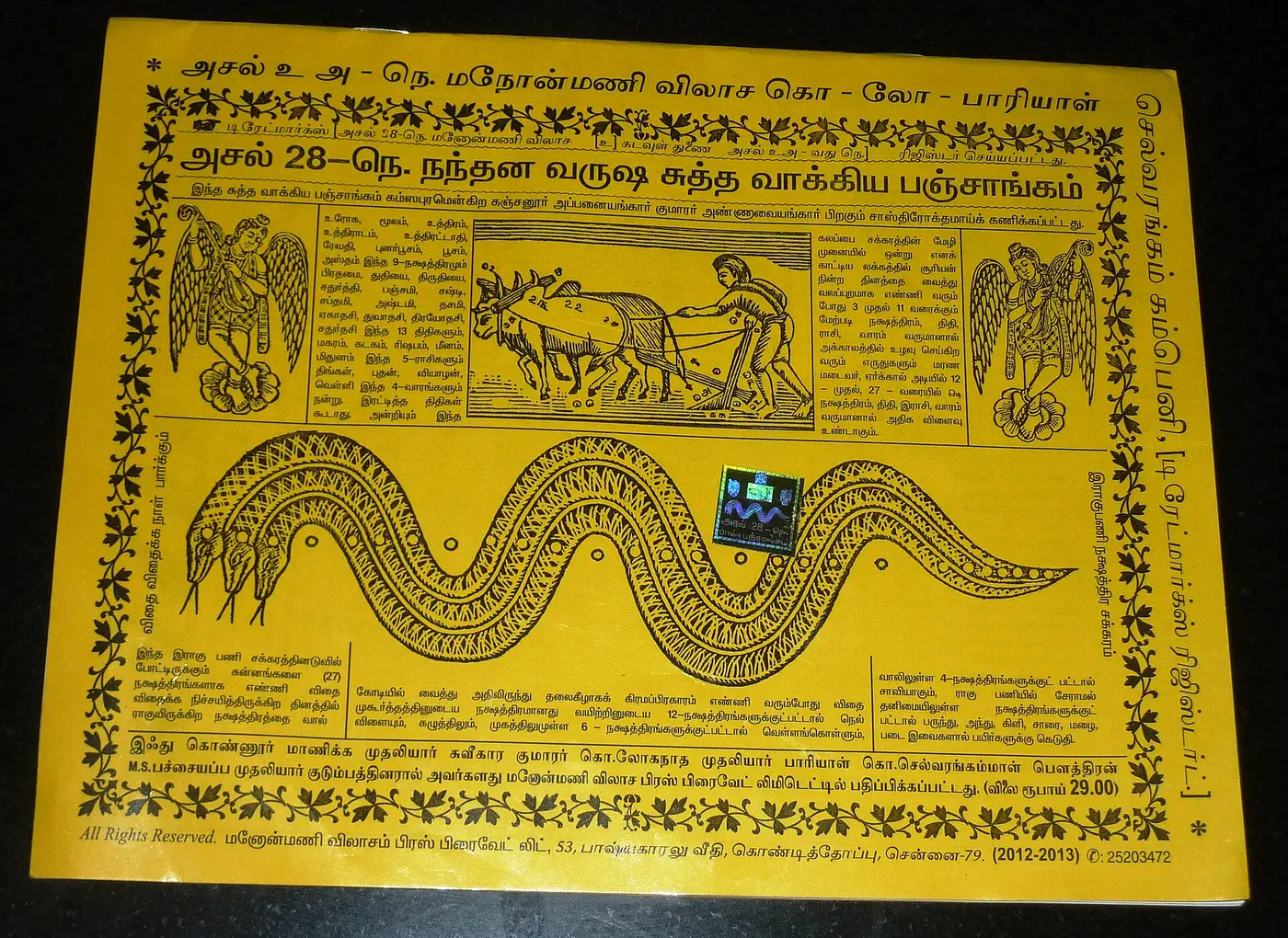
It is 6:30 on a Sunday morning in San Diego, and Meera is doing sums she does five or six times a year. Twelve and a half hours ahead is India. Her father-in-law's Shraadh tithi is next week, or maybe the week after, and she cannot remember the exact spelling of his gotra. Last Shravan she found a pandit through a forwarded WhatsApp number and hoped for the best. A festival care plan for NRI puja exists for exactly this moment: the point where devotion is not the hard part, but the logistics of devotion are.
She is not short of faith. What wears her down is the repetition: search for the tithi, find a priest, explain the family name, gotra and preferences again, confirm a time across two time zones. Shravan Mondays, Navratri, Diwali, a parent's Shraadh. Each one starts from zero. Somewhere around the third scramble of the year, most families ask the same question: can this be set up once?
What a Festival Care Plan for NRI Puja Actually Is
Everything on DevPravas is pay-per-puja by design, and you only pay for the puja you book. Festival Care is the one deliberate exception: an optional annual bundle for families who do not want to remember to book eight times a year. You opt in once, a coordinator sets it up with you, and the year's festival pujas are arranged around your family's calendar instead of your memory.
Three details matter, because they are where subscriptions usually go wrong:
- It is charged once per year, not monthly. You agree the exact list of pujas and the year's price with a coordinator before anything is charged.
- It never renews silently. It continues the following year only with your explicit confirmation.
- You can cancel anytime, with no lock-in and no penalty.
Our pricing page gives an approximate range of about $180–$360 USD a year, depending on which occasions and temple cities you include.
NRI Ke Liye Pooja Seva
The idea behind the plan is captured in a phrase families use when they search for help: NRI ke liye pooja seva, meaning puja service built for NRIs. It is built around the realities of life abroad: a 9.5- to 12.5-hour time difference, no temple around the corner, and parents too far away to quietly handle the calendar the way they might have back home.
Navratri, Diwali, Shravan Monday Puja Online: What the Plan Covers
The plan is custom to each family, but the occasions it is built around are:
- Navratri: a Navratri puja on all nine nights, or on the day your family observes.
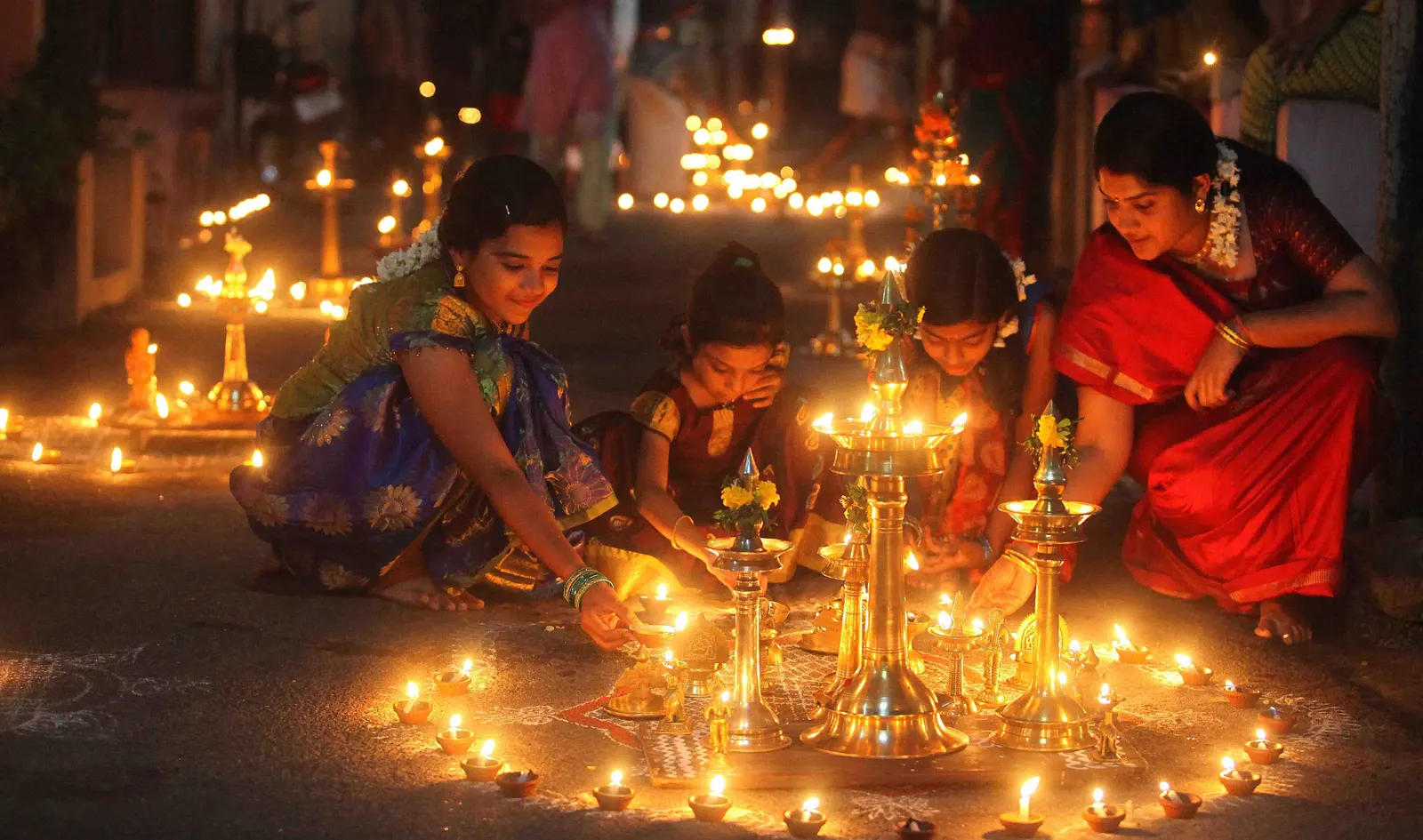
- Diwali: a Lakshmi-Ganesh puja for the home.
- Shravan Mondays: Rudrabhishek on each Shravan Monday.
- A family occasion: one Satyanarayan Katha for a birthday or anniversary of your choice.
- Pitru Paksha: one annual Shraadh, arranged for the correct tithi.
Plan members also get reminders and priority booking for these recurring festivals. That matters in years like 2026, when Pitru Paksha ends on October 10 and Navratri begins the very next day, October 11, and then Diwali arrives on November 8. Individual pujas stay available on our pujas page if you prefer to book some occasions one at a time.
Is a Puja Subscription for NRIs Worth It?
It depends on how many of these occasions your family actually keeps. The plan tends to suit:
- Families who have missed something important at least once, such as a Shraadh tithi or a Navratri day, because nobody flagged it in time.
- Households keeping rituals for both sides of a marriage, which means two gotras and two family calendars.
- Anyone tired of re-explaining their family details to a new priest every time.
If you only book one or two pujas a year, pay-per-puja is simpler, and that is fine. A puja subscription for NRI families earns its place when the calendar itself has become the burden.
Time zones change the feel of it, too. In Kuala Lumpur, two and a half hours ahead of India, a family can join most evening pujas live after dinner. In San Diego, the same aarti happens early in the morning. The plan does not change the clock, but it means you are never scrambling to find out when the clock matters.
The Real Cost Isn't the Puja, It's the Remembering
People rarely talk about the quiet guilt of realising, weeks after the fact, that a father-in-law's Shraadh tithi passed unmarked. Or the Navratri that went by with no Ghatasthapana because both parents were travelling for work and meant to "do something small". These are not failures of devotion. They are failures of a system that assumed someone nearby would track the calendar: a parent, a grandparent, a neighbourhood temple. Abroad, that system does not exist in the same way.
Festival Care is an attempt to rebuild that missing structure. The calendar problem gets solved once, at setup, instead of in a panic every time a festival sneaks up.
How Setup Works
Festival Care is set up by a coordinator, not through a self-serve checkout, because every family's occasions and temple preferences differ. In one conversation, usually on WhatsApp, you share the details that would otherwise be repeated at every booking: names, both families' gotras, which festivals matter to your household, and any family variations. Some families observe all nine nights of Navratri and some only Ashtami. Some keep a Shraadh on the lunar tithi and others on a fixed date. You agree the list and the price, and the year runs from there.
Puja Booking With Prasad Delivery Worldwide
For families abroad, the prasad matters as much as the puja. Your Aashirwad prasad box ships internationally with courier tracking and a 14-day delivery guarantee from shipping. If it does not arrive in that window, you get a full refund for the prasad. A digital certificate with your pandit's name and the puja date arrives the same day. That combination of puja booking with prasad delivery worldwide is what lets a family in San Diego or Kuala Lumpur feel the ritual arrive at home, not just watch it on a screen.
FAQ: Festival Care Plans for NRIs
Is there a yearly puja subscription for NRIs?
Yes. DevPravas offers Festival Care, an optional annual plan covering Navratri, a Diwali Lakshmi-Ganesh puja, Rudrabhishek on Shravan Mondays, one Satyanarayan Katha and one annual Shraadh. Everything else on devpravas.in stays pay-per-puja. Our pricing page explains how the plan is charged once a year rather than monthly.
How much does a festival care plan for NRI puja cost?
It is priced for your family's chosen occasions and temple cities. Our pricing page gives an approximate range of $180–$360 USD a year. You agree the exact list of pujas and the year's price with a coordinator before anything is charged, and it renews the next year only if you confirm.
Can I cancel the plan or change which festivals are included?
Yes. You can cancel anytime, with no lock-in and no penalty. The plan is built around your family's actual calendar, so some families include everything while others keep only Shraadh and Diwali and book Navratri separately. A coordinator on WhatsApp can adjust it with you.
Can prasad from an online puja be delivered outside India?
Yes. The Aashirwad prasad box ships internationally with courier tracking to the USA, UK, Canada, Australia, Singapore and beyond, with a 14-day delivery guarantee from shipping. Our NRI page explains how customs and delivery work, and Sending Prasad to the US, UK, and Canada covers the details.
Do I need to join every puja live?
No. Joining live is encouraged, but the sankalp is taken in your name and gotra either way, and a family member can watch from wherever they are. A digital certificate arrives the same day. Our how it works page walks through what happens before, during and after each puja.
Related Reading
For the dates the plan is built around, see our Hindu Festival Puja Calendar 2026. If you are raising children abroad and want the ritual calendar to feel like part of their identity, Raising Hindu Kids in America Without a Temple Down the Street is worth reading alongside this. For the season ahead, 30 Days Out: An NRI's Diwali 2026 Planning Guide covers timing and prasad. More detail for families abroad is on our NRI page.
Set It Up Once
You should not have to relearn your own festival calendar every season. A festival care plan for NRI puja turns five or six yearly scrambles into one conversation. Message us on WhatsApp to set up Festival Care around your family's calendar, or go to book.html to book a single puja first and see how it feels.
Share this article
Found this useful? Pass it on to a family member who is weighing the same question.