Kaal Sarp Dosha: Symptoms, Myths, and the Kaal Sarp Dosha Puja Process
By DevPravas Editorial Team · · 7 min read
An astrologer once described her job, half-joking, as "eighty percent reassurance and twenty percent chart-reading." Nowhere is that truer than with Kaal Sarp Dosha, a term families whisper with the nervous energy of a medical diagnosis, often after someone read about it on a forum at 1 AM. It deserves calmer treatment. This guide explains what the dosha is, the symptoms people link to it, the myths worth setting aside, and the Kaal Sarp Dosha puja process from chart reading to prasad.
What Kaal Sarp Dosha actually is
In Vedic astrology, Kaal Sarp Dosha (also called Kaal Sarp Yoga) is said to form when all seven classical planets, the Sun, Moon, Mars, Mercury, Jupiter, Venus and Saturn, fall on one side of the axis between Rahu and Ketu, the Moon's nodes. Rahu is imagined as the serpent's head and Ketu its tail; the name roughly means "the serpent of time".
Astrologers describe twelve types, named after the serpents of the Puranas and set by which houses Rahu and Ketu occupy: Anant, Kulik, Vasuki, Shankhpal, Padma, Mahapadma, Takshak, Karkotak, Shankhchud, Ghatak, Vishdhar and Sheshnag. When one planet sits just outside the axis, many astrologers call it a partial (anshik) Kaal Sarp, with milder effects.
Traditional astrology links the configuration to friction rather than catastrophe: effort that does not convert into results as quickly as it should, and things that almost work out before slipping again.
Kaal Sarp Dosha symptoms people commonly describe
Families and astrologers describe a fairly consistent cluster:
- Repeated delays in career, education or promotion despite genuine effort.
- Marriage talks or relationships that stall without a clear reason.
- Delays around childbirth or family milestones.
- Anxiety or unease that does not map to any single event, sometimes with a fear of failure.
- Recurring dreams of snakes, falling or water, which some traditions treat as a sign.
- A sense of being "stuck" in several areas of life at once, not just one.
It is important to be honest about the limits of this list. Career slumps, relationship friction and anxiety have many ordinary explanations: the job market, communication, health, mental health, or plain bad timing. None of these Kaal Sarp Dosha symptoms is proof of anything on its own, and persistent anxiety or low mood deserves proper medical support. For many families the dosha works alongside practical action, as a way of understanding "why now" paired with a ritual response, rather than as a substitute for it.
Kaal Sarp Dosha myths worth setting aside
Myth: Kaal Sarp Dosha means your whole life is cursed. No credible tradition says so. The dosha describes a specific planetary pattern with specific, often time-bound effects, and many people with it lead successful lives.
Myth: Everyone who has setbacks has Kaal Sarp Dosha. A good astrologer should tell you plainly if your chart does not show the configuration, rather than finding a reason to recommend a remedy anyway.
Myth: It is an ancient, universally accepted doctrine. In fairness, the yoga is not described in the oldest classical texts such as the Brihat Parashara Hora Shastra; it became prominent in later astrological practice, and some astrologers consider it over-diagnosed. That debate is worth knowing about before you pay for anything.
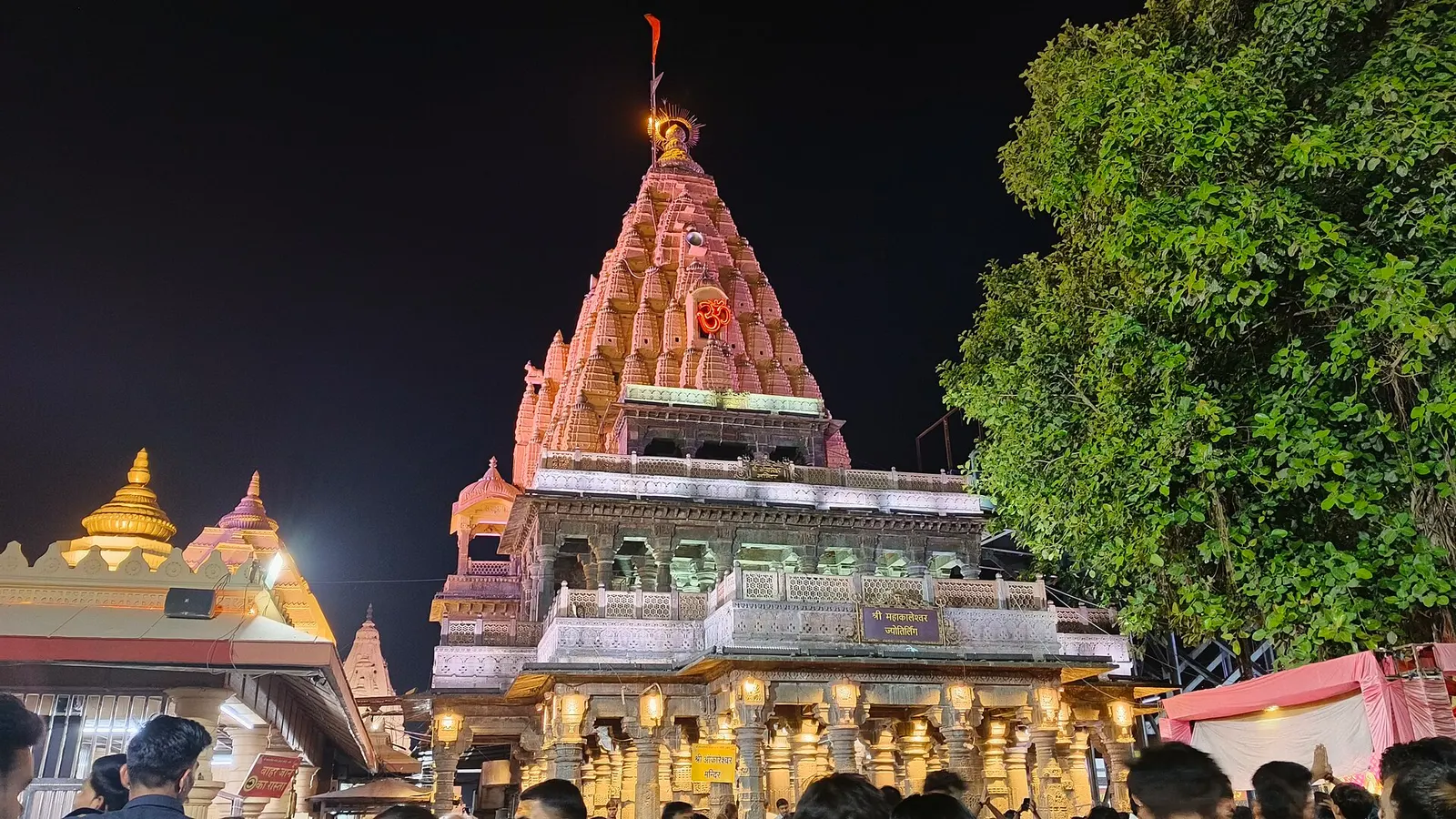
Myth: Once diagnosed, nothing can be done. The tradition holds the opposite. Kaal Sarp Dosha is considered one of the more directly remediable doshas, which is why the puja exists and why it is performed at places associated with Shiva and serpent worship: the Mahakaleshwar temple town of Ujjain, Trimbakeshwar near Nashik, and Srikalahasti.
The Kaal Sarp Dosha puja process, step by step
The exact sequence varies by temple and family tradition, but most rites follow this shape:
- Chart confirmation. An astrologer checks your date, time and place of birth to confirm the dosha and its type. Insist on this step.
- Choosing the day. Nag Panchami, Amavasya, Mondays, and dates chosen from your chart are traditional favourites.
- Sankalp. You state your name, gotra and intention, and the pandit begins.
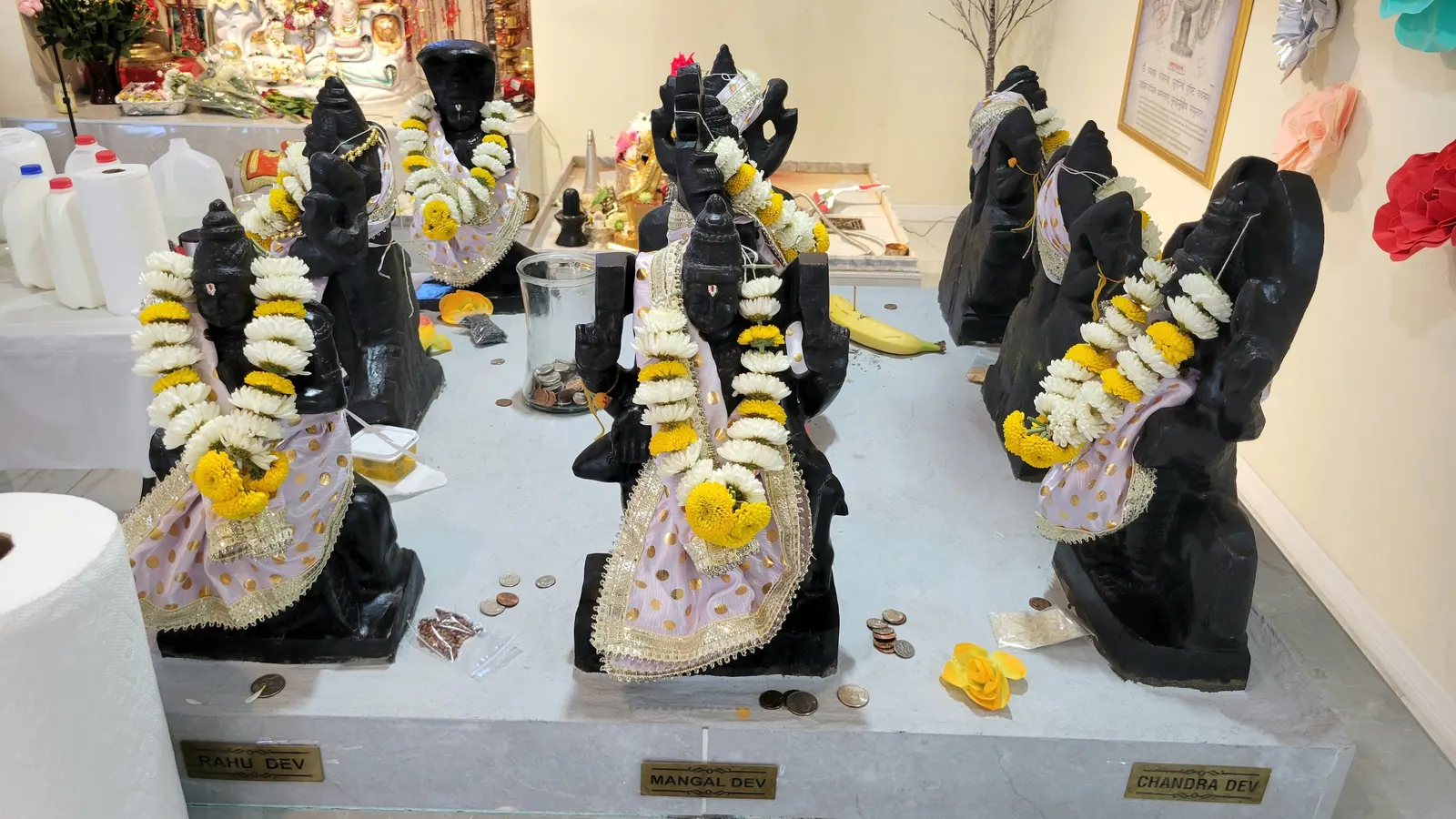
- Ganesh puja and Navagraha puja to remove obstacles and honour the nine planets.
- Rahu–Ketu puja. A pair of serpent images (naga pratima), often silver, is worshipped with abhishek of milk and water while mantras to Rahu and Ketu are chanted a prescribed number of times.
- Havan. Many traditions add a fire offering, sometimes with the Mahamrityunjaya mantra.
- Visarjan and prasad. The serpent images are immersed in flowing water, and the rite ends with aarti and prasad.
The ritual commonly takes two to three hours. A family in Indore can drive to Ujjain in about an hour and a half and sit through it in person; a family in Nashik might book at Trimbakeshwar. Both approaches are equally valid.
Kaal Sarp puja online: ghar baithe puja kaise karayein
For families who cannot travel, the common search is ghar baithe puja kaise karayein ("how to get a puja done from home"). With a live Kaal Sarp puja online, the pandit performs the rite at the temple town while you join on a video call and hear your name and gotra read aloud. DevPravas performs the Kaal Sarp Dosha Puja live in Ujjain, starting at ₹4,700. You approve the pandit's pronunciation of your name before booking, receive a digital certificate within hours, and your Aashirwad prasad box ships with tracking. Families abroad can see timings by country on our NRI hub.
One family's experience
Reading about the process is one thing; seeing it unfold is another. From Houston to Ujjain: A Kaal Sarp Dosha Puja NRI Story follows an illustrative family from scepticism to booking a live puja from abroad. If the worry is a career that seems stuck for no clear reason, Kaal Sarp Dosha and the NRI Career Slump looks at that directly.
Where this fits with other astrological remedies
Kaal Sarp Dosha is rarely read in isolation; astrologers usually look at the whole chart and current dasha. For the wider picture, Navgraha Puja Explained: The Nine Planets and Your Life Path is a useful companion, and our Navgraha Puja page describes that rite.
FAQ
How do I know if I have Kaal Sarp Dosh?
You need your accurate date, time and place of birth so an astrologer can draw your chart and check whether all seven planets fall between Rahu and Ketu. They will also tell you if it is full or partial. Be wary of anyone who recommends a remedy without doing this. Our coordinators can arrange a chart check when you book.
What are the symptoms of Kaal Sarp Dosh?
People commonly describe repeated career delays, stalled marriage talks, unexplained anxiety, dreams of snakes, and a feeling of being stuck in several areas at once. None of these proves the dosha on its own, and many have ordinary causes worth addressing first. A chart reading is the only way to confirm it. See our Kaal Sarp Dosha Puja page.
How long does Kaal Sarp Dosh last?
Views differ. Some astrologers say the effects are strongest during particular Rahu or Ketu periods and ease with age; others treat the pattern as lifelong but softened by remedies. Your own chart and dasha matter more than any general rule, so ask your astrologer directly. Navgraha Puja Explained covers how planetary periods are read.
How long does the Kaal Sarp Dosha puja process take?
The ritual itself commonly takes two to three hours, depending on the temple tradition and whether a havan is included. With the chart check and booking beforehand, most families can go from first message to puja within days. Your coordinator confirms the exact timing and what the rite includes. See how it works.
Can Kaal Sarp puja be done online?
Yes. A pandit performs the rite at a traditional site while you join on a live video call and your name and gotra are spoken in the sankalp. On devpravas.in the puja is performed live in Ujjain, and the recording stays available for 30 days. Families in India and abroad book it the same way. See our NRI hub.
Which day is best for Kaal Sarp Dosh puja?
Nag Panchami, Amavasya and Mondays are traditional favourites, and many astrologers also choose a date from your chart. If you have a specific date in mind, book early because popular days fill quickly. You can check availability and prices on the Kaal Sarp Dosha Puja page or message a coordinator.
Speak to someone before you decide
If you are unsure whether this applies to your chart, or simply want a straight, non-alarmist explanation of the Kaal Sarp Dosha puja process, message us on WhatsApp. A coordinator can arrange a chart reading and explain your options clearly, or you can explore booking when you are ready.
Share this article
Found this useful? Pass it on to a family member who is weighing the same question.